
Israeli Hostage Released from Gaza Faces Challenges Amid Civil Unrest
In a significant development amidst ongoing civil unrest in Israel, an Israeli hostage has been released after two years in Gaza. As the nation grapples with escalating tensions and conflict, this release highlights both the personal struggles faced by former captives and the broader humanitarian crises in the region.
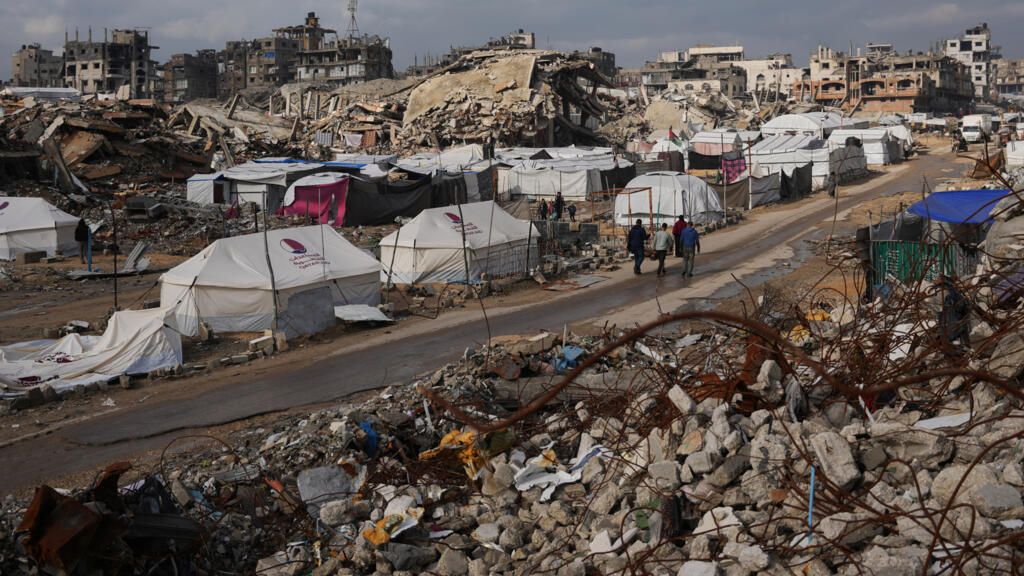
The hostage, whose identity has not been disclosed for security reasons, was freed on January 2, 2026, after enduring a harrowing two-year ordeal in captivity. The circumstances surrounding his release remain unclear, but it is part of a complicated backdrop of negotiations and hostilities that have characterized the Israel-Gaza conflict since its escalation in October 2023. This conflict has led to significant casualties and widespread devastation, with millions affected by the ongoing violence.
Upon his return, the released hostage has expressed immense relief but also confronted the daunting task of rebuilding his life after such a traumatic experience. Support services and psychological counseling are essential for him and others in similar situations, as they navigate the psychological scars of captivity and the transition back to civilian life.
The release of hostages is often a focal point in the broader Israeli-Palestinian conflict, with families and communities anxiously awaiting news of their loved ones. However, the situation is further complicated by the ongoing humanitarian crisis in Gaza. As the conflict continues, aid organizations face significant challenges in providing necessary support to those affected.
In related news, the medical charity Doctors Without Borders (MSF) has warned that it may have to halt operations in Gaza as early as March 2026 if Israel does not reverse its decision to ban 36 aid organizations from operating in the region. This ban has sparked outrage from humanitarian groups and the United Nations, which has called for immediate action to lift the restrictions on aid delivery. MSF's potential withdrawal would significantly impact the already fragile healthcare system in Gaza, where access to medical care has been severely constrained due to ongoing violence and blockades.
The situation in Gaza remains dire, with basic necessities becoming increasingly scarce. The international community is watching closely, as the humanitarian implications of these sanctions could exacerbate an already deteriorating situation.
As the conflict continues, civil unrest in Israel has been marked by protests and demonstrations against the government's handling of the situation in Gaza, with citizens demanding accountability and a reassessment of Israel's military strategies. The recent hostage release has reignited discussions about the complexities of negotiating peace and the human cost of ongoing hostilities.
In conclusion, the release of the Israeli hostage underscores the profound personal toll of the ongoing conflict while illuminating the urgent need for humanitarian assistance in Gaza. The potential withdrawal of aid organizations like MSF could further escalate the humanitarian crisis, complicating efforts to restore stability in the region. As the situation evolves, the international community must remain vigilant and responsive to the needs of those affected by the violence.






