
Israeli Airstrikes Kill 9 Palestinians in Gaza, Including 5 Children, as Ceasefire Faces Strain
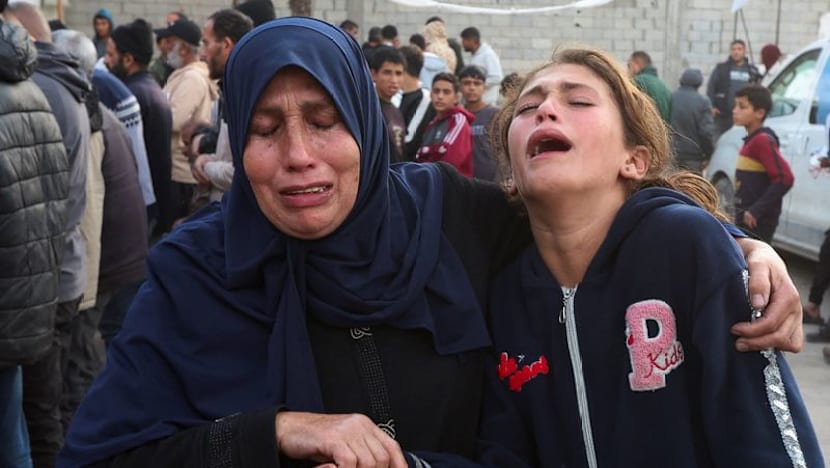
Gaza City, Palestine – Israeli drone and airstrikes across Gaza killed at least nine Palestinians, including five children, on Wednesday, according to Gaza's civil defence agency and medical officials. The attacks, which targeted displacement tents and a shelter school in southern, central, and northern Gaza, come amid accusations of ceasefire violations just days into a fragile truce between Israel and Hamas.
The strikes marked a significant escalation, with one incident in Gaza City alone killing two Palestinians late Wednesday evening. Gaza health authorities reported that since the ceasefire took effect, Israeli attacks have resulted in 424 Palestinians killed and 1,189 injured, highlighting the precarious state of the agreement.
Gaza's civil defence spokesperson detailed the toll from multiple strikes, stating that nine people – five children among them – lost their lives in what they described as renewed Israeli aggression. Medical and emergency officials confirmed that the strikes hit vulnerable sites, including tents sheltering displaced families and a school being used as a refuge. No immediate Israeli confirmation of the strikes or casualty figures was available from the sources.
A Hamas spokesperson condemned the attacks, asserting they "confirm the Israeli occupation's renunciation of its commitment to the ceasefire." The statement reflects growing Palestinian frustration with the truce, which was intended to halt 15 months of intense fighting that began with Hamas's October 7, 2023, attack on Israel.
The Gaza City strike occurred at approximately 7:39 p.m. GMT on January 7, 2026, underscoring the rapid deterioration of calm in the region. Reports from Anadolu Agency indicated that drone strikes and airstrikes spanned Gaza's divided zones, affecting displaced populations who had sought safety in temporary shelters. Civil defence teams worked through the night to recover bodies and treat the wounded, amid ongoing challenges to emergency response in the blockaded territory.
Background on the Ceasefire and Conflict
The ceasefire, mediated by international parties including Qatar and Egypt, went into effect earlier this week following prolonged negotiations. It aimed to end the latest phase of the Israel-Hamas war, which has devastated Gaza since October 2023. That conflict erupted after Hamas-led militants killed around 1,200 people in Israel and took over 250 hostages, prompting Israel's military campaign that has killed tens of thousands of Palestinians, according to Gaza health authorities.
Prior to these strikes, both sides had reported sporadic violations, including rocket fire from Gaza and Israeli incursions. The United Nations and humanitarian organizations have repeatedly warned of the humanitarian crisis in Gaza, where over 90% of the population has been displaced, infrastructure is in ruins, and access to aid remains severely restricted.
Israel has maintained that its operations target Hamas militants and infrastructure, often citing intelligence on threats to its security. However, strikes on civilian areas, such as schools and tents, have drawn international criticism for their impact on non-combatants. The International Committee of the Red Cross and other aid groups have called for all parties to uphold the ceasefire to prevent further loss of life.
These latest events follow a pattern of fragile truces in the region. Similar violations marred previous pauses in fighting, such as those during hostage exchanges in late 2023 and early 2024. The cumulative toll since the current ceasefire – 424 killed and 1,189 injured – signals deep mistrust between the warring parties.
Outlook Amid Rising Tensions
As rescue operations continue in Gaza, Palestinian officials urge international mediators to enforce the ceasefire terms. Hamas has signaled readiness to respond to further aggression, potentially unraveling the truce entirely. Israeli officials have not publicly commented on the strikes as of Thursday evening, but military briefings are expected.
The international community, including the U.S., EU, and Arab states, has expressed concern over the developments. U.N. Secretary-General António Guterres recently reiterated calls for "unimpeded humanitarian access" and a sustainable peace process.
With winter conditions exacerbating hardships for Gaza's 2.3 million residents, these strikes threaten to prolong the cycle of violence. Mediators face an uphill battle to restore compliance, as both sides accuse the other of bad faith. The coming days will be critical in determining whether the ceasefire holds or collapses into renewed hostilities.
(Word count: 612)






