
Israeli Airstrike Kills Hezbollah Member in Southern Lebanon as Cross-Border Tensions Persist
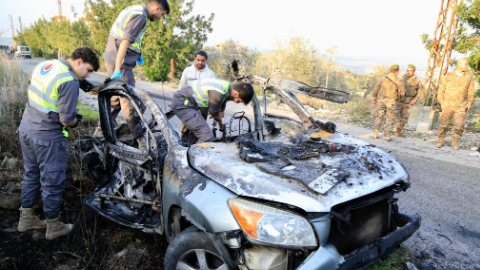
BEIRUT — An Israeli airstrike in southern Lebanon on Wednesday evening killed at least one member of the militant group Hezbollah, marking another escalation in the ongoing cross-border exchanges between Israel and the Iran-backed organization.
The strike occurred late on January 7, 2026, targeting a location in southern Lebanon, according to reports from Xinhua. Hezbollah, which has been engaged in near-daily skirmishes with Israeli forces since October 2023, confirmed the death of one of its fighters but provided no further details on the individual's identity or the precise circumstances of the attack.
This incident adds to a pattern of tit-for-tat violence along the Israel-Lebanon border, where Israeli airstrikes have frequently targeted Hezbollah infrastructure and personnel in response to rocket and drone attacks launched from Lebanese territory.
Details of the Strike
The airstrike was reported at approximately 23:38 GMT, with Xinhua citing local sources that identified the victim as a Hezbollah operative. No additional casualties or damage to civilian infrastructure were mentioned in initial reports. Hezbollah's military media arm, in line with its standard protocol, issued a brief statement acknowledging the loss without elaborating on retaliatory plans.
Israeli military officials have not publicly commented on this specific operation as of early Thursday, though the Israel Defense Forces (IDF) routinely conduct such strikes in southern Lebanon to neutralize perceived threats. The IDF has previously described these actions as preemptive measures against Hezbollah's military buildup near the border.
Southern Lebanon, particularly areas like Nabatieh, Bint Jbeil, and Khiam, has been a hotspot for these confrontations. Hezbollah maintains a significant presence there, with observation posts, launch sites, and tunnels embedded in the rugged terrain.
Broader Context of Israel-Hezbollah Clashes
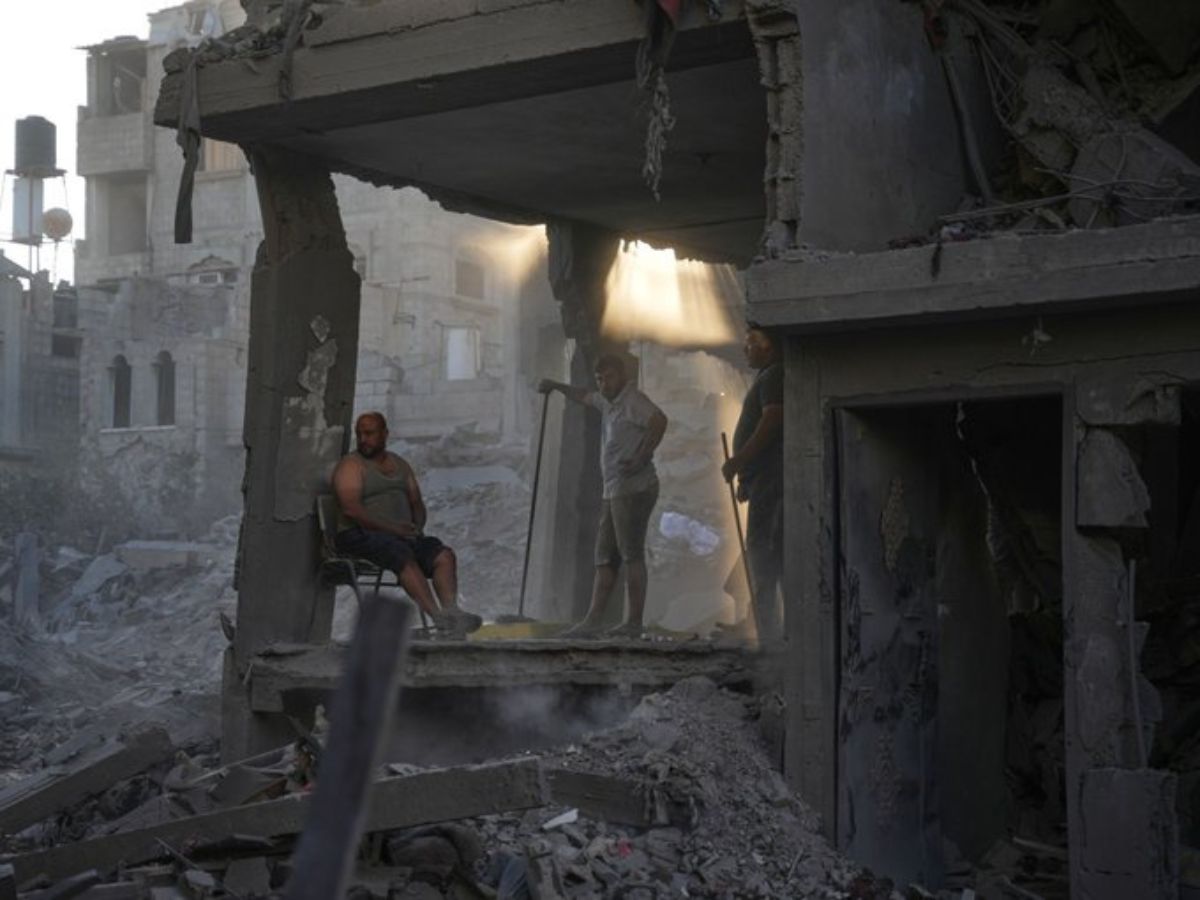
The latest strike occurs against the backdrop of a protracted low-intensity conflict that erupted following Hamas's October 7, 2023, attack on southern Israel, which killed around 1,200 people and led to the ongoing war in Gaza. Hezbollah, viewing itself as an ally of Hamas and part of the "Axis of Resistance" backed by Iran, began firing rockets and anti-tank missiles into northern Israel shortly after, displacing tens of thousands of Israelis from border communities.
In response, Israel has conducted hundreds of airstrikes in Lebanon, killing over 40 Hezbollah fighters and commanders, according to Lebanese security sources and Hezbollah statements up to late 2025. Notable escalations include the assassination of senior Hezbollah commander Fuad Shukr in Beirut in July 2024 and repeated strikes on Beirut's southern suburbs, a Hezbollah stronghold.
Hezbollah has claimed responsibility for thousands of attacks on Israel, including drone incursions and artillery fire, resulting in at least 50 Israeli soldier and civilian deaths. The group has conditioned its cessation of hostilities on an end to Israel's Gaza offensive.
United Nations peacekeepers with the UN Interim Force in Lebanon (UNIFIL) have repeatedly called for restraint, documenting violations of the 2006 ceasefire agreement that ended the last full-scale Israel-Hezbollah war. That 34-day conflict killed over 1,200 Lebanese, mostly civilians, and 165 Israelis.
Background on Hezbollah and Regional Dynamics
Hezbollah, founded during Israel's 1982 invasion of Lebanon, is designated a terrorist organization by the United States, Israel, and several other countries. It wields significant political and military influence in Lebanon, holding seats in parliament and maintaining a parallel army more powerful than the Lebanese Armed Forces.
Iran provides Hezbollah with an estimated $700 million annually in funding and advanced weaponry, including precision-guided missiles, fueling Israel's concerns over a potential multi-front war. Recent intelligence assessments suggest Hezbollah has amassed over 150,000 rockets and missiles along the border, far exceeding its pre-2023 arsenal.
Diplomatic efforts, including U.S.-mediated talks, have aimed to de-escalate but stalled amid Israel's Gaza operations and Hezbollah's demands for a full Israeli withdrawal to the Blue Line—the UN-demarcated border. In late 2025, intensified strikes led to fears of a wider war, with both sides signaling readiness for escalation while avoiding all-out conflict.
Lebanon's fragile economy, already crippled by a 2019 financial crisis, hyperinflation, and political paralysis, bears the brunt. Displacement in southern Lebanon has surged, with over 100,000 people internally displaced since October 2023, per UN data.
Outlook and International Response
While this strike's medium severity suggests it may not prompt immediate large-scale retaliation, the cycle of violence risks spiraling. Hezbollah Secretary-General Hassan Nasrallah has vowed continued operations until Gaza's siege ends, while Israeli Prime Minister Benjamin Netanyahu has warned of "severe consequences" for any escalation.
The U.S., a key Israeli ally, has urged restraint, with State Department spokespeople emphasizing support for Israel's defense while calling for a diplomatic resolution. Arab nations like Saudi Arabia and Egypt have expressed concern over regional spillover.
As of Thursday morning, no further incidents were reported, but monitors anticipate continued exchanges. A sustainable ceasefire remains elusive without progress in Gaza, where over 45,000 Palestinians have been killed since October 2023, according to Gaza health authorities.
The international community watches closely, aware that the Israel-Hezbollah front could ignite a broader Middle East conflagration.
(Word count: 712)