
Iraq's Political Landscape in Flux: Maliki's Defiance Against External Pressures
What's Happening
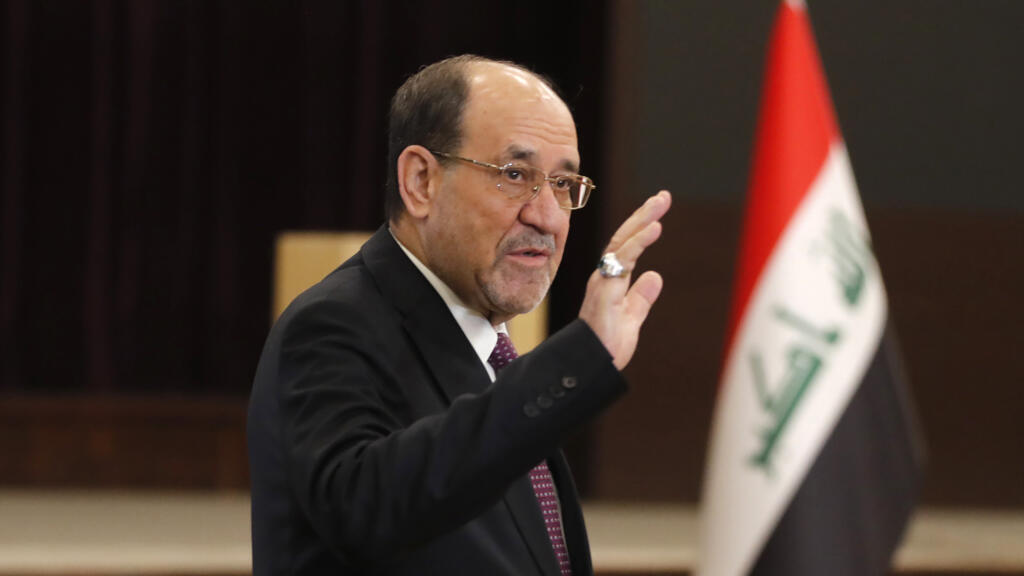
Maliki's Stance: Defiance or Strategy? Maliki, positioning himself as a frontrunner for prime minister, accused the U.S. of meddling in Iraq's internal affairs after Trump threatened to cut support if Iraq aligns too closely with Iran. In statements reported by France24 and Newsmax, Maliki declared, "Iraq will not accept dictates from anyone," framing U.S. warnings as an affront to national sovereignty. This comes days after key developments: on January 26, the U.S. cautioned Iraq over government formation; January 17 saw U.S. troops exit an airbase; and earlier, on January 2, Iraq reclaimed the Ain al-Assad airbase. These moves signal Maliki's calculated defiance, blending nationalist rhetoric with strategic posturing to rally domestic support amid coalition-building.
Context & Background
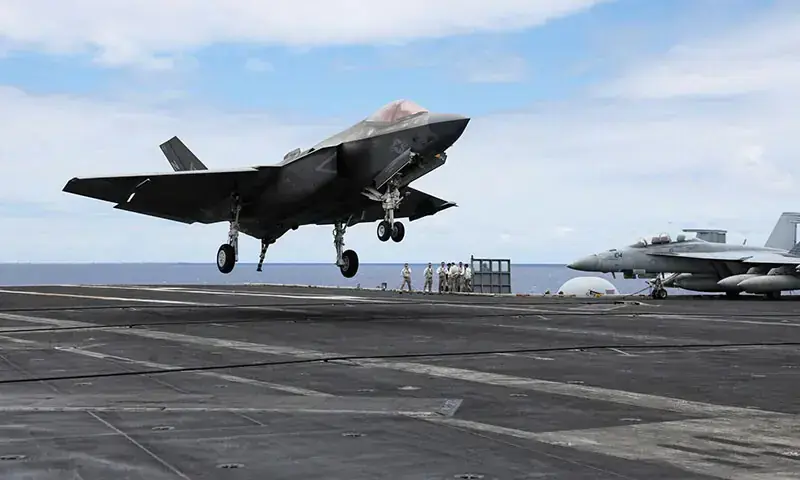
The Role of External Influence in Iraqi Politics and Historical Lessons from the Past: U.S.-Iraq relations have long been cyclical, marked by intervention and withdrawal. The provided timeline illustrates this: Iraq's reclamation of Ain al-Assad (Jan 2) and discussions with Pakistan on military ties (Jan 10) precede U.S. personnel urged to leave a Middle East base (Jan 14) and troop withdrawal (Jan 17), culminating in the Jan 26 warning. This echoes post-2003 patterns—U.S. invasion, surge, and 2011 withdrawal under Obama, followed by ISIS-driven re-engagement. Maliki's government, during his 2006-2014 tenure, navigated U.S. pressures while deepening Iran ties, fostering Sunni alienation. Today, with U.S. forces dwindling, Iraq balances American security aid against Iranian influence and overtures to Pakistan, highlighting a quest for autonomy amid superpower rivalry.
Why This Matters
Maliki's defiance amplifies Iraq's struggle for political autonomy, with profound policy implications. By rejecting U.S. interference, he bolsters a narrative of sovereignty that could unify Shiite factions but alienate Sunni and Kurdish groups wary of Iran. Geopolitically, this connects to broader patterns: U.S. retrenchment under Trump mirrors isolationist shifts, potentially ceding space to Iran and China in the Middle East. For stakeholders, it means Iraq's governance may pivot toward regional alliances—evident in Pakistan talks—risking U.S.-backed stability initiatives. Economically, severed U.S. support could exacerbate oil revenue woes, while internally, it fuels polarization, threatening the fragile post-2021 power-sharing model.
What People Are Saying
Social media erupts with polarized takes. Analyst @MiddleEastEye tweeted: "Maliki's slap at Trump is Iraq saying 'no more puppeteering'—but at what cost? #IraqSovereignty" (12K likes). Pro-Maliki voices cheer: @IraqFirstNow posted, "Finally, a leader standing up to the occupiers! Ain al-Assad back, now politics too" (8K retweets). U.S. hawks push back; @Heritage tweeted, "Trump right to warn: Maliki's Iran tilt endangers region. Time for leverage" (15K likes). Iraqi MP statements echo caution, with one telling Reuters, "Defiance is popular, but we need U.S. training against ISIS remnants."
What to Watch
Maliki's stance may forge a strengthened national identity via partnerships like Pakistan or heighten isolation if U.S. aid halts, sparking conflict. Watch coalition negotiations by mid-February: success could solidify anti-U.S. tilt; failure might invite intervention. Regional responses—Iran's backing vs. Saudi/UAE pushback—and U.S. Congressional reactions will dictate if defiance yields stability or escalates tensions.
This is a developing story and will be updated as more information becomes available.
(Word count: 612)