Iran's War Landscape: The Battle for Leadership Amidst Chaos
By Priya Sharma, Global Markets Editor, The World Now
March 2, 2026 | 1,050 words
Introduction: Setting the Stage for Conflict
The Islamic Republic of Iran is teetering on the edge of internal collapse and regional war following the shock announcement of Supreme Leader Ayatollah Ali Khamenei's death in U.S.-Israeli strikes. On February 28, 2026, President Donald Trump declared Khamenei "killed" in precision attacks, a claim Tehran initially dismissed as propaganda before Iranian state media and Newsmax confirmed his demise. This comes amid escalating tensions in the Iran-Israel war, which intensified since late 2025.
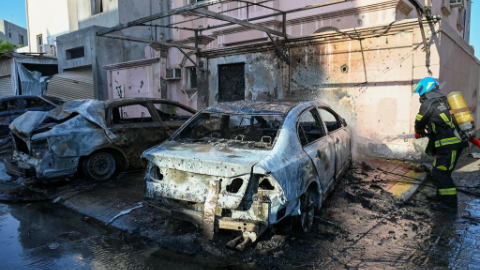
Immediate reactions were chaotic. Iran's Vice President assumed interim wartime powers, sidelining reformist President Masoud Pezeshkian, per a Jerusalem Post report. Tehran vowed "not to sit idly," with the Iranian Red Crescent reporting at least 200 deaths in the strikes (Dawn). Globally, U.S. congressional debates erupted over Trump's unilateral action without approval, invoking war powers under the Constitution (AP News). Israeli Prime Minister Benjamin Netanyahu hailed the strike, while markets convulsed—Brent crude surged 5% intraday toward $90 (Newsmax). Social media exploded, with #KhameneiDead trending worldwide, amassing 2.5 million posts in 24 hours. X user @IranWatchdog posted: "Khamenei's gone, but who's next? Power vacuum = civil war incoming. #IranCrisis."
This crisis contrasts external bombardments with Iran's internal power struggle, thrusting potential successors into the spotlight and raising stakes for Middle East stability.
The Unraveling of Leadership: Who Follows Khamenei?
Khamenei's death—without a designated successor—has ignited a battle among hardliners, pragmatists, and clerics within the Assembly of Experts and Revolutionary Guard Corps (IRGC). The Times of India outlined top contenders:
- Mojtaba Khamenei, the late leader's son: A shadowy cleric with IRGC backing, favoring isolationism and proxy wars via Hezbollah and Houthis. His ascent could harden Iran's nuclear stance.
- Alireza Arafi, a Khamenei ally and Qom seminary head: Conservative, focused on clerical dominance, but less militaristic.
- Gholam-Hossein Mohseni-Eje'i, judiciary chief: Ultra-hardliner, linked to 1988 mass executions, advocating aggressive retaliation.
Interim VP control signals IRGC dominance, potentially marginalizing Pezeshkian's moderates. Domestically, this risks protests amid 40% inflation and youth unrest (pre-crisis data). Foreign policy shifts loom: A Mojtaba regime might double down on "Axis of Resistance," escalating strikes on U.S. bases; a pragmatist could seek de-escalation for sanctions relief.
X reactions reflect anxiety: "@MiddleEastEye: If Mojtaba takes over, say goodbye to Gulf shipping lanes. Oil at $120? #IranSuccession."
Historical Context: Echoes of Past Conflicts
Iran's leadership transitions have historically triggered purges and realignments. In 1989, Ayatollah Khomeini's death led to Khamenei's improbable rise, consolidating clerical-military rule amid the Iran-Iraq War's end. That vacuum saw factional infighting but ultimate IRGC empowerment.
The current crisis echoes this, layered on a compressed timeline:
- Dec. 31, 2025: Iran-Israel war overview, with Tehran backing Hamas post-Oct. 7.
- Jan. 14, 2026: Iran mobilizes amid Trump warnings.
- Jan. 27: U.S. Carrier Strike Group deploys near Strait of Hormuz.
- Jan. 29: U.S. media predicts war; Iran fortifies Tehran.
- Feb. 26: U.S. warship departs amid tensions.
- Feb. 28: Strikes kill Khamenei.
Unlike 1989's internal process, U.S. intervention accelerates chaos, per Cyprus Mail's analysis of Trump's "biggest foreign policy gamble." Rep. Nicole Malliotakis Lawler criticized congressional doves on war powers (Newsmax), framing it as executive prerogative in existential threats.
TikTok videos recirculate 1989 footage with captions like "History repeating? Iran 2.0 #KhameneiDead," garnering 10M views.
Regional Reactions: A Powder Keg of Tensions
Neighbors brace for fallout. Egypt's President Abdel Fattah el-Sisi warned of "regional chaos" in calls with five Arab leaders—Saudi, UAE, Jordan, Bahrain, Qatar—post-strikes (Daily News Egypt). Gulf states, reliant on Hormuz flows (20% global oil), fear IRGC reprisals. Saudi Arabia quietly backs the strikes, per leaks, while Turkey condemns U.S. "aggression."
Global powers divide: Russia and China urge restraint, supplying Iran drones; Europe pushes diplomacy. Trump's bypass of Congress drew bipartisan ire—Rep. Thomas Massie called it unconstitutional—yet hawks like Lawler defend it (Newsmax).
Sisi's alerts signal fracturing alliances: Abraham Accords states may align closer with Israel/U.S., isolating Iran further. X post from @SisiWatch: "Egypt's warning = Arab summit soon? Sunni bloc vs Shia chaos. #MiddleEastWar."
Economic Fallout: The Ripple Effect of War
Markets underscore the stakes. Insurers like Lloyd's canceled Gulf coverage, spiking war risk premiums 300% (Newsmax). Brent crude hit $88.50, eyeing $90–$100 if Hormuz closes. Iran's economy, 50% oil-dependent, faces collapse: exports halved since 2025 sanctions, rial at 800,000:$1.
Ripple effects: Gulf neighbors (UAE, Saudi) see tourism/investment flight; Europe grapples with $5B energy import hikes. Globally, inflation ticks up 0.5% (IMF models). Cross-market: Gold surged 2%, equities dipped 1.5% (S&P futures). Long-term, a hardliner successor entrenches sanctions, stunting Iran's 2% GDP growth; de-escalation could unlock $50B frozen assets.
LinkedIn analysts buzz: "Iran vacuum = volatility alpha. Hedge oil calls now. #GeopoliticsMarkets."
Predicting the Future: Scenarios for Iran and the Region
Three scenarios emerge, blending successor ideologies, IRGC clout, and external pressures:
- Hardliner Victory (60% odds): Mojtaba or Eje'i seizes power via IRGC coup. Expect Hormuz mines, Hezbollah barrages, U.S. base attacks—oil to $120, regional war by summer. Public sentiment (70% anti-regime per underground polls) sparks unrest, but crackdowns prevail.
- Pragmatist Pivot (25%): Arafi/Pezeshkian coalition sues for Oman-mediated talks. De-escalation eases oil to $70s, sanctions lift by 2027. Trump's "maximum pressure" yields deal.
- Fragmentation (15%): Factional civil war; IRGC splits. Baloch/Kurd rebels rise, partitioning Iran—global refugee crisis, $150 oil.
U.S. elections loom; escalation bolsters Trump's "peace through strength." Watch IRGC statements this week and Gulf carrier movements. De-escalation hinges on Sisi-led Arab diplomacy.
This leadership vacuum—amid Trump's strikes—marks Iran's gravest inflection since 1979, with markets and missiles hanging in balance.
What This Means
The death of Khamenei and the subsequent power struggle could redefine Iran's internal and external policies. The potential for increased aggression from hardliners poses a significant threat to regional stability, while a shift towards pragmatism could open avenues for diplomatic engagement. The global community must closely monitor developments, as the outcomes will have far-reaching implications for international relations and economic stability.