
Iran's Strategic Response: Navigating U.S. Threats and Regional Dynamics
What's Happening
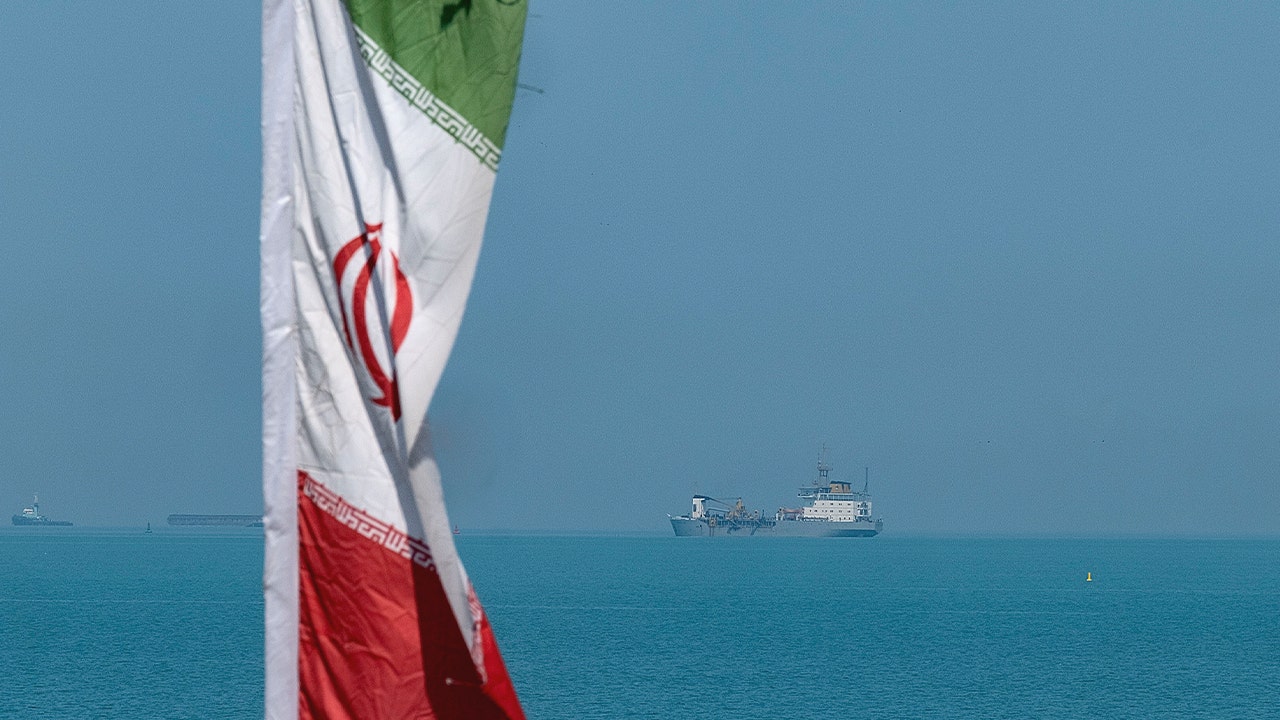
Confirmed: Iran has delegated key import authorities to provincial governors amid U.S. threats disrupting trade (Al Jazeera). Gulf shipping has halted near Iranian waters due to "heightened risk" from U.S. naval buildup (Fox News). Smuggling of Starlink terminals has surged via informal routes, bypassing sanctions to sustain communications and evade blockades (Jerusalem Post). Iranian officials warn of retaliatory strikes on U.S. bases but emphasize "no talks under pressure" (Xinhua, Anadolu Agency).
Unconfirmed: U.S. preparations for strikes remain speculative, based on anonymous sources.
Context & Background
This echoes a timeline of U.S.-Iran tensions: On Dec. 30, 2025, Iran warned of a "harsh response" to U.S. threats. By Jan. 6, 2026, it hinted at strikes on Israel; Jan. 7 saw Iran's Army Chief counter U.S.-Israel rhetoric. Escalation continued with Sen. Graham's Jan. 13 call for Trump to back Iranian protesters and the UK's Jan. 14 embassy closure in Tehran. Historically, Iran has alternated military posturing (e.g., 2019 tanker seizures) with economic adaptation, but current maneuvers prioritize informal markets over 2020-style missile reprisals post-Soleimani.
Why This Matters
Iran's economic shift—leveraging smuggling and decentralized imports—counters U.S. pressure without risking full war, sustaining its economy amid sanctions. Partnerships with non-state actors like Hezbollah and Houthis provide asymmetric deterrence: Recent Houthi attacks on Red Sea shipping (linked to Iranian support) have disrupted global trade, forcing U.S. resource diversion. This hybrid strategy balances threats, erodes U.S. alliances (e.g., straining Gulf partners), and enhances Iran's regional leverage, potentially destabilizing proxies from Yemen to Syria.
What People Are Saying
Iranian FM spokesperson Nasser Kanaani tweeted: "US armada threats won't bend Iran's will—resilience is our strength" (@IRIMFA_EN). Analyst @BehnamBenT posted: "Starlink smuggling boom shows Iran's economy adapting underground, not collapsing" (12K likes). Trump shared: "Iran, time's up—come to table or face worse" (Newsmax). Experts like @ElliottAbrams noted: "Tehran's non-state web is the real wildcard."
What to Watch
Iran may deepen economic resilience via regional partnerships, escalating indirect actions like proxy drone strikes while avoiding direct clashes. Watch for expanded Houthi disruptions or Iraqi militia mobilizations, potentially forcing U.S. de-escalation or broader alliances shifts by Q2 2026.
This is a developing story and will be updated as more information becomes available.
(Word count: 598)






