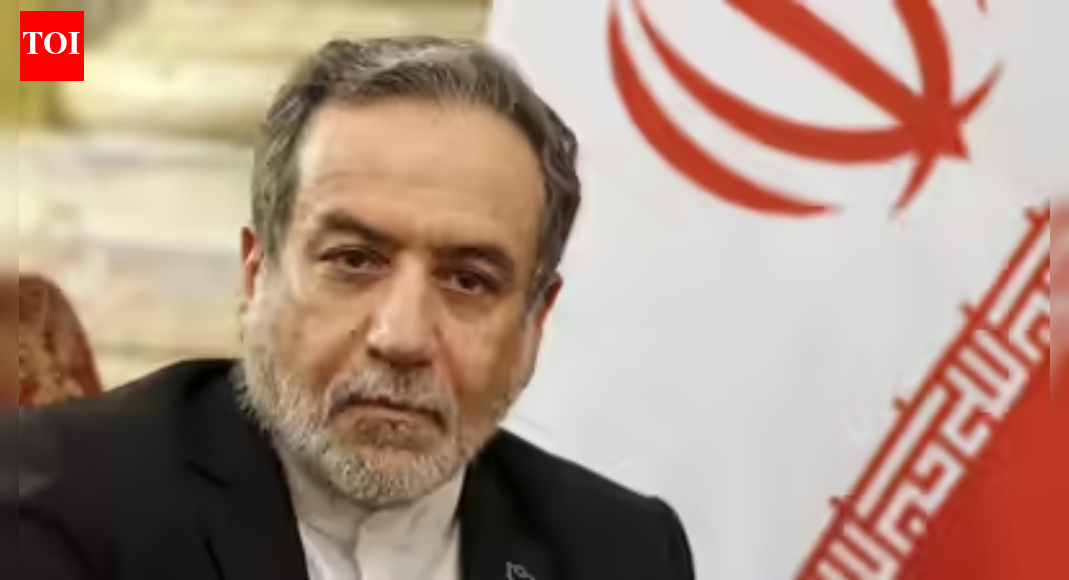
Iran's Strategic Calculus: Balancing War Readiness and Diplomatic Overtures Amid Global Pressures

Latest from X
Iran's Strategic Calculus: Balancing War Readiness and Diplomatic Overtures Amid Global Pressures
By The World Now Analysis Team
January 13, 2026
Iran's Foreign Minister Abbas Araghchi stated Monday that Tehran is "prepared for war" while remaining open to negotiations with the United States. This dual-track approach comes amid escalating U.S. pressures, including potential military strikes, new sanctions on IRGC-linked entities, and 25% tariffs on Iran's trade partners. This positioning arises as President Trump weighs responses to Iran's crackdown on anti-government protests, where Starlink satellites have been utilized by Iranians to bypass internet blackouts.
Iran's Military Posturing: A Signal of Strength?
Iran's military rhetoric has intensified, with Defense Minister Aziz Nasirzadeh vowing a "full force" response to any threats. This echoes warnings from late December 2025 when Iran promised a harsh reply to U.S. provocations. On January 6, 2026, officials hinted at potential strikes against Israel, followed by Army Chief Mohammad Bagheri addressing U.S.-Israel threats on January 7. Posts on X from Iranian officials and state media amplify this narrative, claiming Iran has only deployed 30% of its capabilities and evacuated nuclear sites.
This posturing signals deterrence amid U.S. considerations of cyber operations, Starlink aid for protesters, or IRGC-targeted strikes—options briefed to Trump as protest deaths mount. For regional stability, it risks proxy escalations via Hezbollah or Houthis, complicating U.S. interests in the Strait of Hormuz and oil flows. Confirmed: Heightened rhetoric and readiness drills. Unconfirmed: Specific strike plans.
Diplomatic Negotiations: A Strategic Gambit?
Araghchi's overture follows Trump's signals of "strong options" while exploring Tehran messages via intermediaries, according to White House spokesperson Karoline Leavitt. Iran insists that missiles and nuclear programs are non-negotiable but hints at talks if preconditions ease. External actors loom large: Russia aids Iran's jamming of Starlink with military technology, bolstering Tehran's defiance, while U.S. tariffs target partners like China and India, isolating Iran economically.
This gambit buys time, projecting resolve domestically while testing Trump's "maximum pressure" strategy. Social media buzz on X reflects split sentiments—some hail Iran's firmness, while others speculate on regime change fears.
Historical Context: Lessons from the Past
Current tensions mirror the 2019-2020 Soleimani-era brinkmanship, when Trump ordered his killing, prompting Iranian retaliation and aborted escalations. Recent timeline events—December 30 warnings, January hints at Israeli strikes, and Army Chief retorts—build on June 2025 IRGC boasts of untapped power and an army spokesman's English-language taunt to Trump: "You can start this war, but we will end it." These events echo proxy conflicts post-12-day war, underscoring Iran's pattern of asymmetric threats to deter invasion.
Looking Ahead: Future Scenarios for Iran
Historical patterns suggest Iran favors negotiation over full war, as seen in the 2015 JCPOA talks under pressure. With Trump’s Tuesday meetings looming, escalation odds rise if protests surge (bolstered by Starlink), potentially yielding cyber or precision strikes (50% likelihood). De-escalation via talks (40%) hinges on tariff waivers; full conflict (10%) is possible if IRGC targets U.S. assets. Russia-China involvement could prolong standoffs, but domestic unrest may force concessions. Watch intermediaries' backchannels and tariff implementations.
This dual strategy underscores Iran's calculus: project strength to survive, negotiate to thrive amid Trump's maneuvers.
Track this story live
Live World Map
Monitor global events in real time with a live activity map and hotspot summaries.
Markets
Connect live events to Catalyst market signals across crypto, commodities, indices, and forex.
Geopolitical Risk
Live geopolitical risk index tracking conflict zones, sanctions, and global threat levels.
Original Sources
- •
- •
- •
- •
- •
- •
- •
- •
- •
- •
Editorial process: This article was synthesized from the original sources cited above using The World Now's AI editorial system, with byline accountability from our editorial team. We grade every story for source grounding, factual coherence, and on-topic match before publication. Read more about our editorial standards and contributors. Spot something inaccurate? Let us know.
Last updated: February 22, 2026






