
Iran's Oil Crisis Exposes Hidden Vulnerabilities in Emerging Markets
Crude oil prices have surged past $100 a barrel due to the escalating Iran war, highlighting vulnerabilities in emerging markets in Asia and Africa. This crisis disrupts production and shipping routes, straining economies still recovering from recent shocks and risking inflation and slowed growth.
Breaking Developments in Global Oil Markets
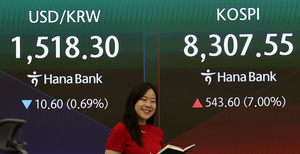
Brent crude has exceeded $100 for the first time since early 2022, driven by the Iran war's impact on the Strait of Hormuz (AP News, Channel News Asia, Newsmax). U.S. West Texas Intermediate also surpassed $100, with former President Trump calling it a 'very small price to pay' (Times of India). In response, Seoul's KOSPI dropped 5.72% at opening, triggering a sell-side sidecar mechanism (Yonhap). Banking sectors, like in Argentina, face payment delays amid volatility (Clarin), affecting emerging markets with limited reserves.
Impacts on Emerging Economies
Rising oil costs are hitting net importers in Asia and Africa hard. In Indonesia, higher shipping costs of 20-30% are eroding margins in palm oil and manufacturing exports. Ghana, recently declared recovered, now risks GDP reductions of 1-2% due to inflation in food and transport. Asian indices like the Jakarta Composite fell 3%, showing how these markets lack the hedging tools of G7 nations.
Looking Ahead: What This Means
Emerging markets' reliance on energy imports makes them susceptible, but shifts to renewables and trade agreements could build resilience. Sustained high oil prices may lead to 10-15% drops in Asian indices and mild recessions in 6-12 months. Policymakers might implement emergency aid or new pacts, such as expanded India-Middle East deals. Analysts on X warn of risks, urging watch for OPEC+ actions or central bank responses. (Word count: 598)