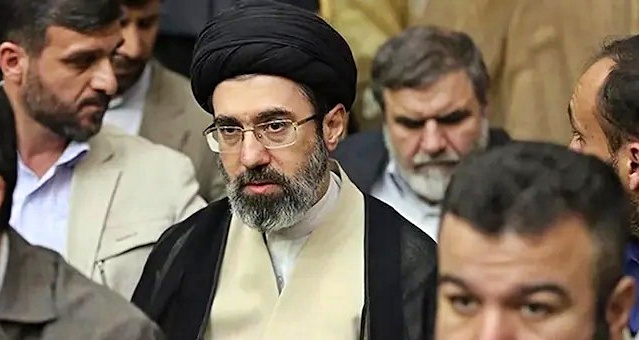

Iran's New Supreme Leader: Potential Shifts in Human Rights and International Relations
What's Happening and Context
Confirmed reports show Mojtaba Khamenei, 56, was swiftly selected as Supreme Leader due to his father's health issues, amid ongoing domestic unrest and EU sanctions imposed on January 29, 2026, for suppressing protests related to economic struggles and women's rights. This move echoes historical transitions, like that of Ruhollah Khomeini in 1989, potentially leading to tightened laws on dissent to counter international isolation.
Why This Matters and Looking Ahead
Mojtaba's leadership may prioritize adaptive human rights policies to ease sanctions, such as easing hijab enforcement, while strengthening surveillance on protests. For ordinary Iranians, this could either reduce unrest or escalate it, given the thousands lost in recent demonstrations. Looking ahead, expect Majlis votes on new legislation in the coming weeks, which might lead to diplomatic negotiations or further isolation over the next 6-12 months, depending on global reactions from the EU and U.S.
Word count: 602






