Iran's Leadership Shift: The Dangerous Echo of Disinformation in Geopolitical Escalations
In a major escalation amid rising Middle East tensions, Iran has appointed Mojtaba Khamenei as the new supreme leader following his father's assassination, driving oil prices above $100 per barrel and sparking flight suspensions. Former U.S. President Donald Trump's unsubstantiated claims of U.S. military victories have fueled disinformation, heightening risks of diplomatic miscalculations and broader conflict.
What's Happening
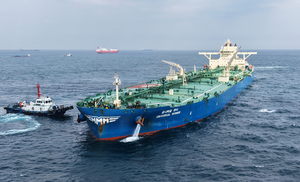
Iran's Assembly of Experts confirmed Mojtaba Khamenei as supreme leader on March 9, 2026, amid reports of his father's assassination. Oil prices surged past $100, leading airlines like SalamAir to halt flights to regional destinations. The U.S. called for restraint, while Israel issued warnings of potential strikes. Trump's unverified claims of sinking Iranian ships and destroying missile platforms have amplified fears without Pentagon confirmation.
Context and Background
This leadership change follows months of escalating rhetoric: Iran warned of retaliation to U.S. threats in December 2025, with hints of strikes on Israel by January 2026. Iran's Army Chief responded defiantly, prompting U.S. Senator Lindsey Graham to advocate aid for protesters and the UK to close its Tehran embassy. These events highlight a cycle of verbal escalations turning into real-world tensions, affecting civilians through proxy conflicts and diplomatic withdrawals.
What This Means
Trump's disinformation could provoke Iranian hardliners during this fragile transition, potentially silencing moderate voices and escalating proxy wars or cyberattacks. As oil volatility disrupts global trade, this shift underscores the human cost, from Iranian families facing economic strain to leaders consolidating power, risking a wider regional conflict if misinformation continues unchecked.
What to Watch
Monitor U.S.-Israel military coordination for possible strikes on Iranian assets, ongoing oil price fluctuations above $100, and potential new sanctions. EU-mediated diplomacy offers de-escalation opportunities, but Russian involvement could expand the crisis. Pentagon responses to Trump's claims will be crucial in assessing miscalculation risks. This story is developing and will be updated.
(Word count: 602)