
Iran's Economy Struggles Amid Oil Price Surge from War: Internal Challenges Explored
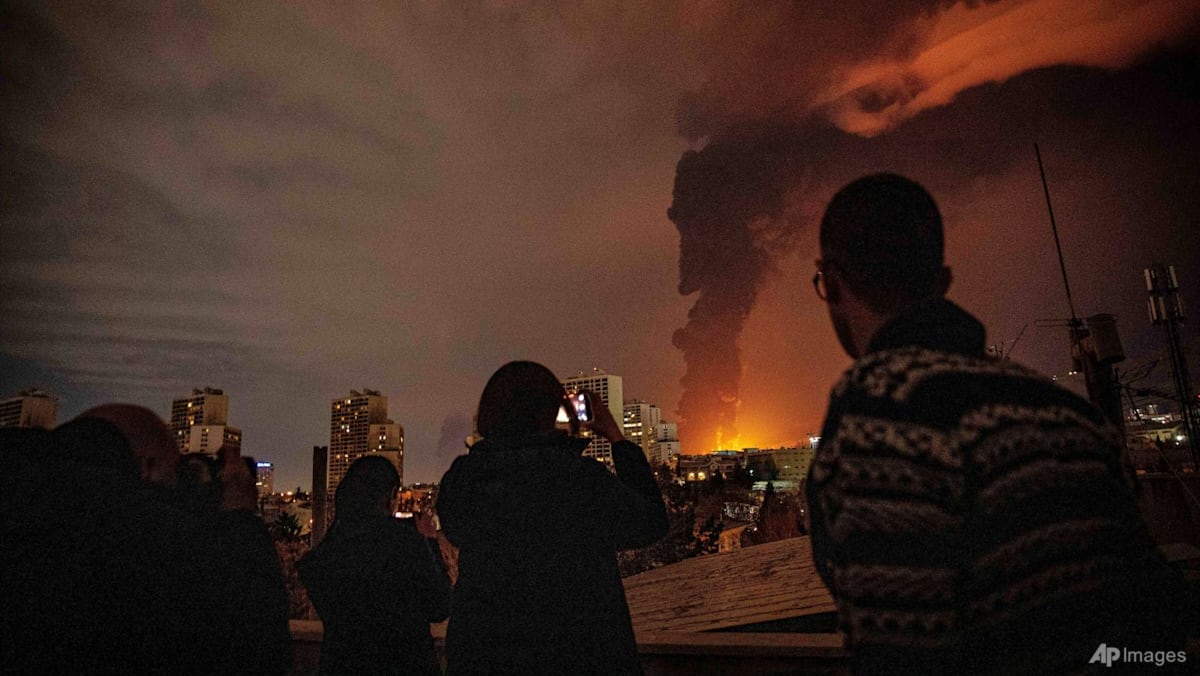
Iran's domestic economy is reeling as global oil prices exceed $100 a barrel due to escalating war tensions, disrupting production and shipping in the Strait of Hormuz. This surge, while temporarily boosting oil revenues, exacerbates inflation, shortages, and unemployment within Iran, hitting everyday citizens and non-oil sectors hard.
What's Happening
Crude oil prices, including Brent, have surpassed $100 a barrel as reported by AP News and Channel News Asia, driven by Iran's war disrupting output and Hormuz shipping. This short-term revenue gain for the state inflates import costs for essentials like fuel, food, and machinery. Inflation is spiking beyond 40% (IMF estimates), leading to bread and medicine shortages. Non-oil sectors, such as agriculture and manufacturing, face diesel price hikes and production drops of up to 20%, with urban unemployment rising to 15% based on leaked labor ministry data.
Context and Background
Iran's economic woes have intensified in 2026: The Ayandeh Bank collapsed in January, the rial devalued by 50% against the dollar, and U.S. sanctions slashed exports. The March Hormuz blockade triggered global market crashes, highlighting Iran's vulnerability compared to diversified oil exporters like Saudi Arabia. These factors create a crisis that amplifies the impact of oil shocks on the internal economy.
What This Means
High oil prices create a paradox for Iran, straining the non-oil economy despite revenue gains. Subsidies for fuel and food drain resources amid war logistics, forcing businesses to close and pushing poverty to 35% in urban areas. Everyday citizens face 60% food inflation, skipped meals, and potential social unrest, echoing the 2022 protests. This underscores the need for economic diversification to mitigate oil dependency.
What to Watch
Looking ahead, inflation could reach 50% by Q2, unemployment 20%, and the rial may continue to fall if the war persists. Diplomatic de-escalation might stabilize oil at $90, aiding recovery, but ongoing conflict could deepen sanctions and recession. Monitor Hormuz traffic, rial rates, and social tensions over the next 6-12 months for signs of escalation or relief.
This is a developing story and will be updated as more information becomes available. (Word count: 598)