Iran's Economic Crossroads: How Global Energy Strategies Are Reshaping Sanctions and Supply Chains
Introduction: The Global Stakes in Iran's Economic Instability
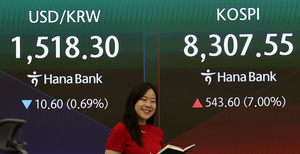
The International Energy Agency (IEA) has authorized its largest-ever release of 120 million barrels from strategic oil stockpiles to address supply disruptions from Iran's economic and geopolitical turmoil. Announced on March 12, 2026, amid oil prices spiking over $100 per barrel due to Iran's Strait of Hormuz blockade, this crisis highlights how Iran's internal issues are forcing global energy strategy shifts. Key facts include Iran's bank collapses, currency devaluation, and intensified sanctions, impacting trade alliances and accelerating renewable energy adoption.
Historical Roots and International Responses
Iran's economic decline stems from decades of sanctions and mismanagement, escalating in 2026 with events like the Ayandeh Bank collapse on January 14 and the Rial's record low on January 27. US sanctions on January 30 triggered Iran's Hormuz blockade on March 1, causing oil prices to surge. Globally, responses include the IEA's stockpile release, Europe's increased LNG imports from Qatar and the US, and Asia's pivot to Russian crude. This reshapes energy dynamics, with OPEC+ ramping up output and nations diversifying supply chains to mitigate risks.
Looking Ahead: Implications and Future Predictions
Iran's crisis underscores the need for energy resilience, as sanctions and disruptions boost competitors like Saudi Arabia and Russia while hastening renewable transitions. What this means: Global inflation may rise 0.5-1%, but diversification could reduce Middle East oil reliance to 18% by 2028. Future scenarios include escalation with oil at $150/barrel or stabilization via diplomacy, potentially integrating Iran into BRICS trade and fostering tech-driven recovery by 2030.
Conclusion: Lessons for a Stable Global Economy
Iran's 2026 implosion reveals how regional instabilities cascade into global trade, emphasizing proactive diversification and balanced diplomacy. Opportunities exist for Iran's tech sector to pivot to renewables, promoting stability through international cooperation.