
Iran's Dynastic Succession: Fueling Youth-Led Protests and Geopolitical Shifts
By Priya Sharma, Global Markets Editor, The World Now
Iran's appointment of Mojtaba Khamenei as the new Supreme Leader on March 8, 2026, has triggered widespread youth protests and global scrutiny. This hereditary transition, amid rising internal dissent and external pressures, highlights a generational clash and potential shifts in Iran's alliances. Social media is amplifying calls for reform, underscoring the regime's vulnerabilities and broader geopolitical implications.
Introduction: The Rise of Mojtaba Khamenei
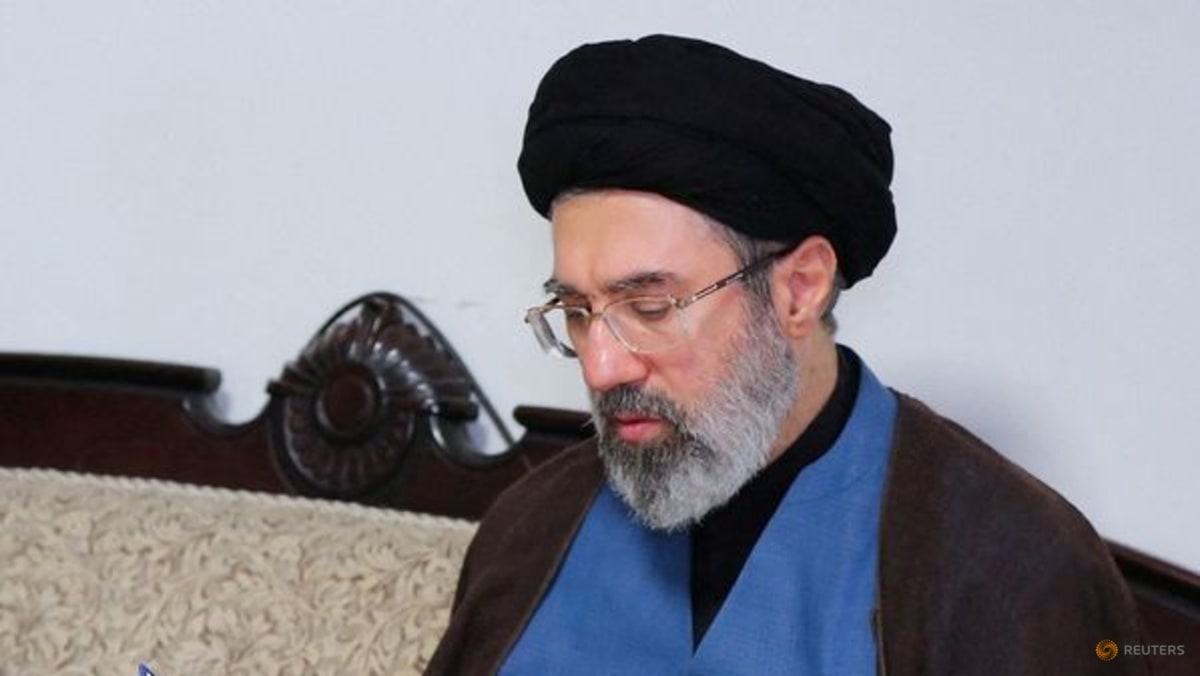
Mojtaba Khamenei, 56, has assumed the role of Supreme Leader following his father's death, as reported by international media. Sanctioned by the US for suppressing protests, he represents hardliner continuity, clashing with Iran's revolutionary ideals. Youth, making up over 60% of the population under 30, are fueling online backlash with hashtags like #MojtabaNo, exposing regime fractures and linking domestic unrest to global tensions such as Iran's nuclear disputes and proxy conflicts.
Youth Resistance and Social Media Dynamics
Iran's youth, grappling with high unemployment and social restrictions, view this dynastic move as a betrayal. Platforms like Instagram and Telegram have seen a 500% spike in protest-related hashtags since the appointment. Activists coordinate virtual protests via VPNs, demanding reforms in gender equality and economic policies. This digital dissent not only challenges Mojtaba's hardliner stance but also risks destabilizing Iran's regional influence, including its support for proxies in Yemen and Lebanon.
Global Implications and Future Outlook
This upheaval could weaken Iran's alliances with Russia and China, potentially disrupting oil flows through the Strait of Hormuz and affecting global energy markets. Looking ahead, escalating protests might lead to UN sanctions or diplomatic shifts, reshaping Middle East dynamics. While Mojtaba may pursue aggressive foreign policies, internal pressures could force economic concessions, impacting global supply chains and highlighting the risks of youth-driven change.






