
Iran's Assault on Gulf Desalination Plants: Escalating Tensions and a Looming Water Crisis
Iran has intensified its strikes in the Persian Gulf, targeting critical desalination plants that supply water to millions in arid Gulf states, alongside attacks on oil tankers and energy infrastructure. Reported on March 11, 2026, these retaliatory actions against U.S. and Israeli operations could spark a severe humanitarian water crisis, exacerbating global oil price surges above $100 per barrel and highlighting vulnerabilities in regional security.
The Escalating Crisis
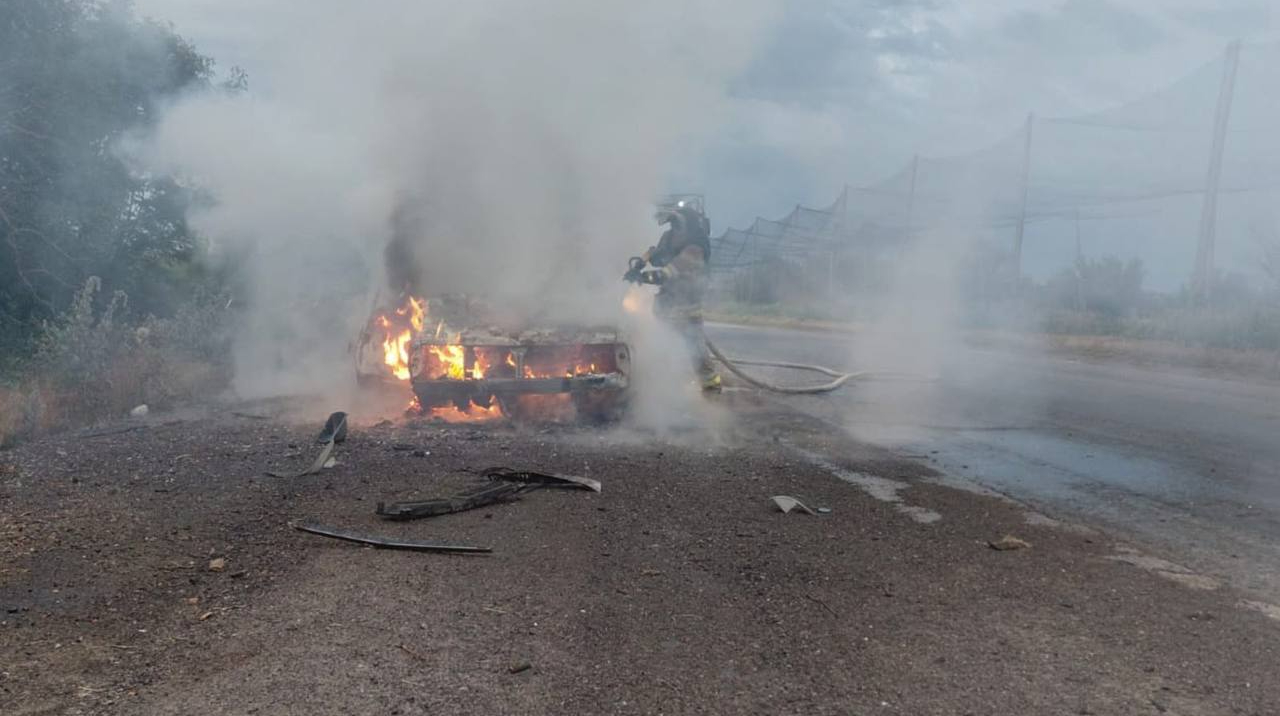
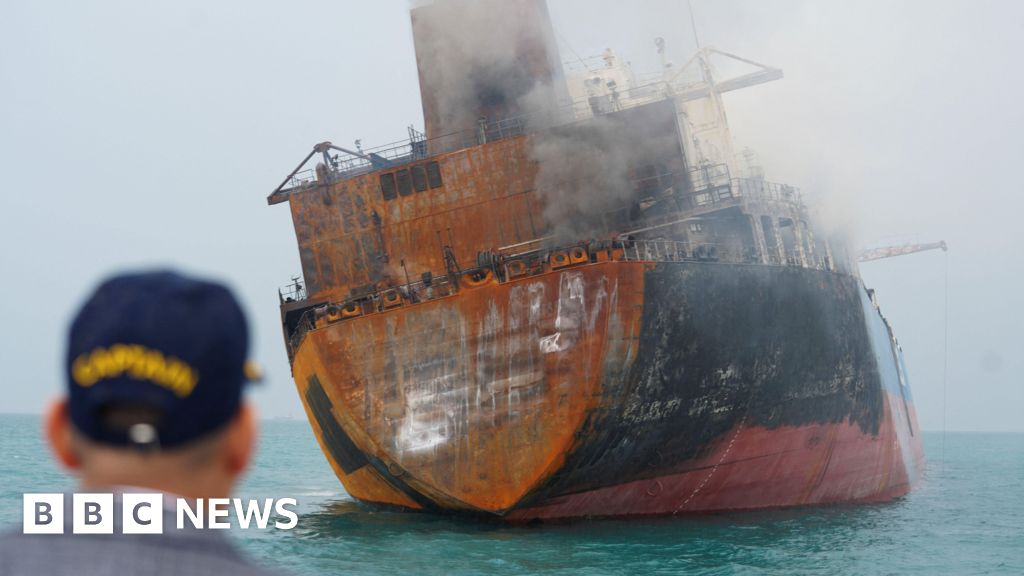
Explosions across the Persian Gulf on March 11 involved Iran striking energy facilities and desalination plants in Gulf states, as reported by Iran International and Straits Times. Confirmed attacks on tankers in Iraqi waters disrupted shipping, while unverified reports indicate drone and missile strikes on Saudi and UAE desalination infrastructure, which provides 70% of the region's drinking water. These assaults, linked to broader retaliation, have driven oil prices skyward, but the immediate threat of water shortages poses greater risks to civilians.
Background and Context
This escalation follows a pattern of aggression: Ship attacks near the Strait of Hormuz started on March 1, 2026, with subsequent strikes on March 8 and 9, culminating in major assaults on March 11. Iran's tactics have evolved from subtle maritime harassment since 2019 to direct sabotage of infrastructure, similar to Houthi actions but more intense. Tehran justifies these as responses to U.S. and Israeli activities, amid growing regional tensions.
What This Means
The targeting of desalination plants underscores a strategic shift in hybrid warfare, potentially crippling Gulf economies that depend on these facilities for 90% of their potable water, affecting 50 million people. Beyond oil shocks, water disruptions could lead to rapid shortages, impacting public health, military operations, and morale. This development may force Gulf states to reassess alliances, enhance defenses, and invest in alternative water technologies, while drawing international scrutiny and possible interventions.
This is a developing story and will be updated as more information becomes available. (Word count: 612)