
Iranian Protests Gain Support from Foreign Ministry Amid Rising Tensions
Protests in Iran have gained significant momentum as the Iranian Foreign Ministry publicly expressed support for the ongoing civil unrest. This development comes as the situation in the country intensifies, raising concerns about potential government crackdowns and international responses.
The protests, which began on January 2, 2026, reflect a growing discontent among the Iranian populace, fueled by a range of socio-economic issues and political grievances. The Foreign Ministry's endorsement of the protests marks a notable shift in the government's approach, indicating a potential internal rift regarding how to address public dissent. Analysts suggest that this support could be an attempt to placate the demonstrators while also signaling a change in strategy in the face of escalating unrest.
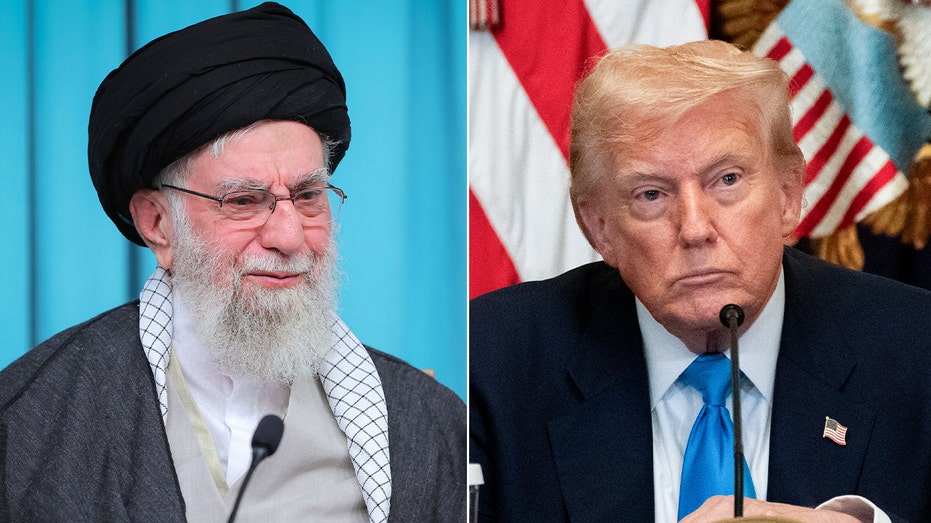
The protests have not only drawn attention within Iran but have also caught the eye of international observers, particularly in the context of recent tensions in the Middle East. Following a violent 12-day conflict between Israel and Iran in late 2025, the region remains on high alert. U.S. President Donald Trump has threatened intervention if Iran resorts to violent measures to suppress the protests. This warning underscores the precarious balance of power in the region and the potential for external involvement in Iran's internal affairs.
In recent weeks, the Iranian government has faced mounting pressure from various factions, including reformist and opposition groups, demanding greater freedoms and economic reforms. The protests have been characterized by a diverse coalition of participants, including students, labor groups, and civil society organizations. Many protestors have taken to the streets to voice their frustration over issues such as high inflation, unemployment, and perceived government corruption.
The Iranian Foreign Ministry's support for the protests may serve multiple purposes. By backing demonstrators, the government could be attempting to shift the narrative and portray itself as responsive to the people's demands. Furthermore, this move might aim to mitigate potential backlash from the international community while simultaneously managing domestic dissent.
The situation in Iran is complicated by external factors, as neighboring countries and global powers closely monitor developments. The aftermath of the Israel-Iran conflict has left many in the region cautious, with fears of renewed violence and instability. Analysts believe that the Iranian protests could have broader implications for regional security, potentially influencing U.S. foreign policy and its approach to Iran.
As the protests continue, the world watches closely. The Iranian government faces a delicate balancing act: how to address the concerns of its citizens without inciting further unrest or drawing international condemnation. The coming days will likely be pivotal in determining the trajectory of both the protests and the government's response.
In conclusion, the Iranian protests represent a significant moment in the country's political landscape, driven by widespread discontent and supported by the Foreign Ministry. As tensions rise and external pressures mount, the potential for a violent crackdown remains a pressing concern, with implications that could reverberate throughout the Middle East.






