Iranian Protests Escalate into 12th Day Amid Street Renaming for Trump and Deadly Clashes

Latest from X
Iranian Protests Escalate into 12th Day Amid Street Renaming for Trump and Deadly Clashes
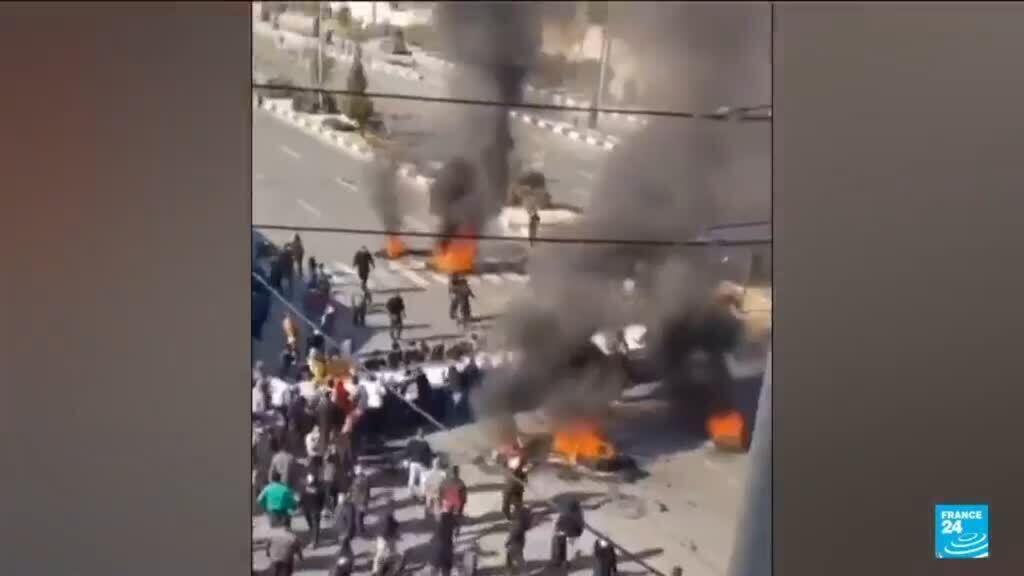
Tehran, Iran – Protests against soaring living costs in Iran have stretched into their 12th consecutive day, marked by violent clashes that claimed the life of a police officer and symbolic acts of defiance, including the renaming of a Tehran street after U.S. President Donald Trump. Kurdish opposition groups have amplified the unrest by calling for a general strike, signaling deepening ethnic and economic grievances across the country.
The demonstrations, which began late last month amid widespread frustration over inflation, unemployment, and subsidy cuts, have drawn thousands to the streets of Tehran and other cities. On Thursday, local media reported that a police officer was stabbed to death during unrest near the capital, highlighting the intensifying confrontations between security forces and protesters. France24 correspondents, including those from France2 and reporter Daniel Quinlan, documented the ongoing turmoil, noting that authorities have cracked down heavily, with reports of tear gas deployment and arrests.
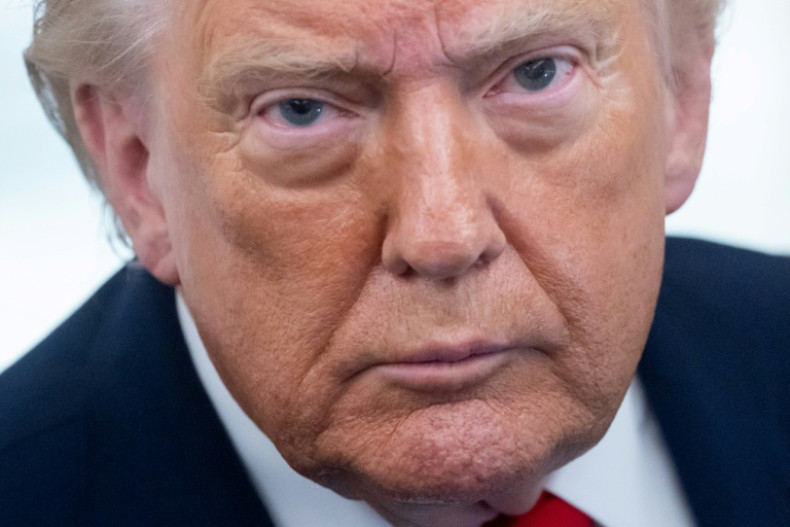
A particularly striking development emerged on Wednesday when protesters in Tehran reportedly renamed a street after President Trump. According to event reports and posts circulating on X (formerly Twitter), demonstrators painted signs and banners proclaiming the street as "Trump Street," accompanied by pleas such as "Don’t let them kill us." This act appears tied to perceptions of Trump as a potential protector, amid unverified warnings of U.S. intervention should the crackdown escalate further. Posts on X from outlets like the New York Post described the renaming amid a "deadly crackdown on economy protests," reflecting a surge in online sentiment linking the unrest to international figures.
The protests' roots lie in Iran's acute economic crisis, exacerbated by decades of international sanctions, mismanagement, and recent subsidy reductions on essentials like fuel and food. Official data from Iran's Statistical Center indicates inflation hovered above 40% in 2025, with youth unemployment exceeding 25%. The rial has plummeted, making imports unaffordable for many, and bread riots have echoed similar upheavals in 2019 and 2022 over fuel prices and the death of Mahsa Amini, respectively. While those earlier waves focused on social restrictions and women's rights, the current movement centers on economic survival, though overlapping demands for regime change persist.
Kurdish opposition parties, operating from neighboring Iraq, have injected a regional dimension by urging a general strike in solidarity. These groups, representing Iran's ethnic Kurdish minority concentrated in the northwest, framed the action as support for the broader protest movement. "Several Kurdish opposition parties based in neighboring Iraq have called for a general strike," France24 reported, underscoring potential for wider disruption if heeded. Kurdistan, home to about 10% of Iran's 89 million people, has a history of separatist tensions, and strikes could paralyze key industries like oil and agriculture.
Security forces, bolstered by the Islamic Revolutionary Guard Corps (IRGC), have responded with a mix of restraint and force. State media acknowledged the officer's death but attributed it to "rioters," while internet blackouts have hampered real-time reporting. Human rights groups, including Amnesty International, have documented over 500 arrests since the protests began, with allegations of excessive force. President Ebrahim Raisi's government has blamed "foreign agents" for instigating the unrest, echoing rhetoric from past crises.
The Trump street renaming has fueled speculation about external influences. Posts on X, including those from the New York Post and individual users, amplified footage and images purportedly showing the signage, with captions pleading for U.S. aid. While inconclusive as standalone evidence, these viral claims illustrate protesters' desperation and outreach to Trump's administration, known for its "maximum pressure" campaign against Iran during his first term, including the 2020 killing of IRGC commander Qasem Soleimani. No official U.S. response has been issued as of Thursday afternoon.
Background on Iran's Economic Protests
Iran's protest cycles are tied to structural woes: U.S. sanctions post-2018 nuclear deal withdrawal have slashed oil exports by half, per OPEC data, starving the government of revenue. Domestic policies, like the abrupt removal of energy subsidies in late 2025, ignited the spark. Analysts note parallels to the 1979 revolution, which began with bread riots, though today's regime maintains firmer control via surveillance tech from China.
Outlook
As protests enter their second week, the general strike call poses a test for the movement's cohesion. Escalation risks broader violence, especially if Kurdish regions mobilize. International observers, including the UN, have urged restraint, while regional powers like Saudi Arabia and Israel watch closely amid fragile Gulf dynamics. With Trump's inauguration looming in the U.S., symbolic gestures like the street renaming may seek to provoke a geopolitical response, though experts caution against overinterpreting crowd actions. The death toll, arrests, and economic paralysis suggest no quick resolution, potentially reshaping Iran's domestic landscape in 2026.
(Word count: 712)
Track this story live
Original Sources
- •
Editorial process: This article was synthesized from the original sources cited above using The World Now's AI editorial system, with byline accountability from our editorial team. We grade every story for source grounding, factual coherence, and on-topic match before publication. Read more about our editorial standards and contributors. Spot something inaccurate? Let us know.
Last updated: January 17, 2026