
Iranian Missile Strike Over Turkey: NATO's Defensive Pivot Amid Domestic Turmoil
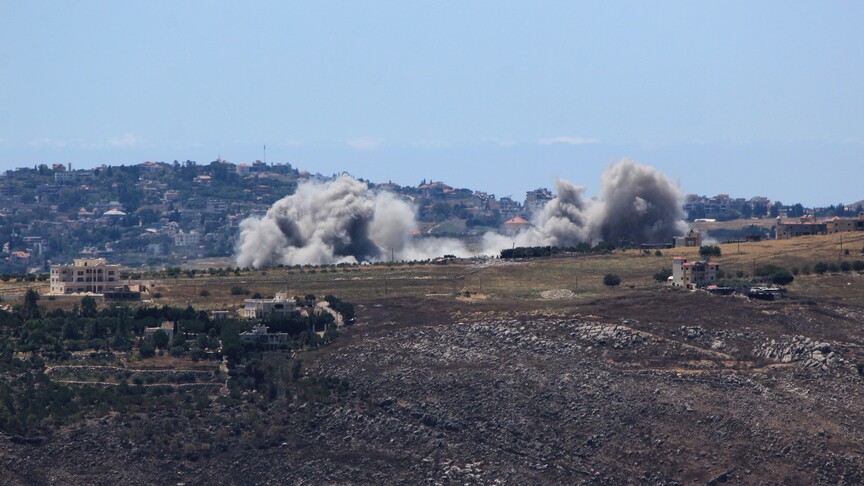
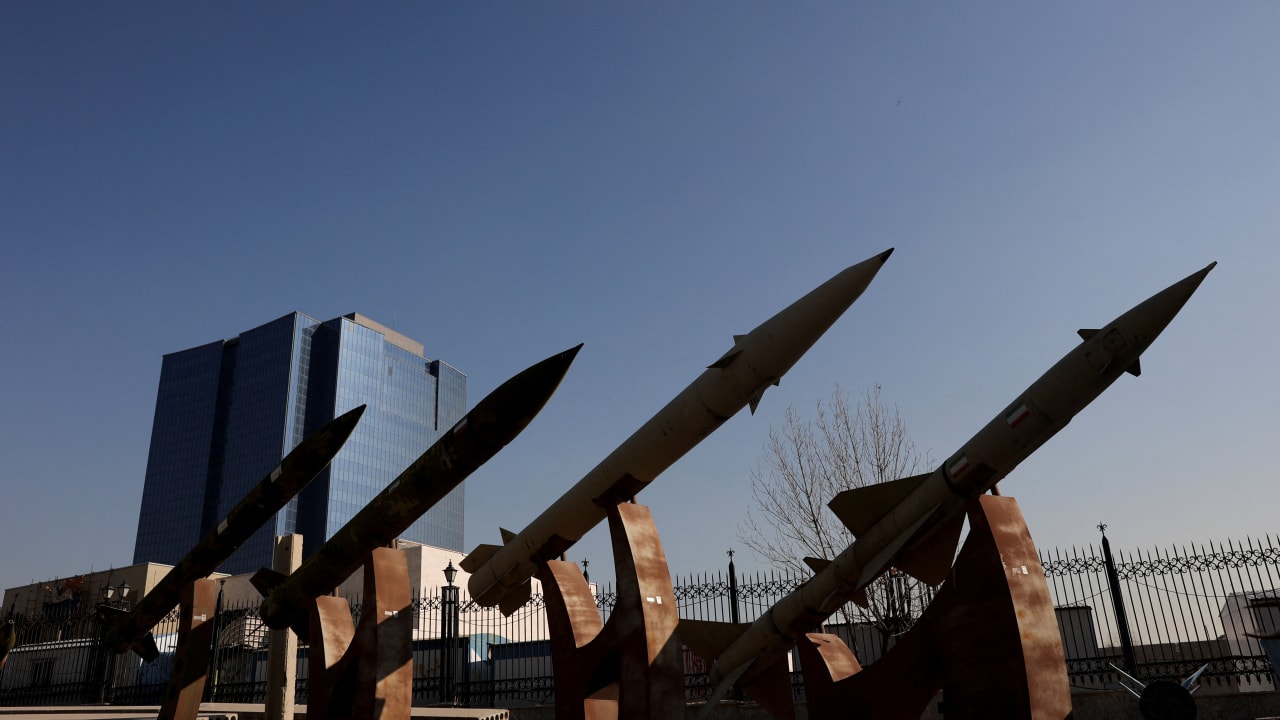
NATO forces have intercepted a second Iranian ballistic missile entering Turkish airspace, escalating Middle East tensions and highlighting NATO's defensive capabilities. This incident, occurring on March 9, 2026, underscores the growing risks of regional conflicts and their impact on Turkey's internal politics, including protests and economic strain.
Recent Events
On March 9, 2026, NATO successfully downed an Iranian Fateh-110 variant missile over southern Turkey near Adana, with no casualties reported. This followed a first missile detection on March 8, sparking emergency NATO consultations and polarized public reactions in Turkey. Protests in Istanbul and Izmir reflect domestic divisions, while Iranian media labeled it a 'technical misfire.' Key factors include Houthi-Iran proxy activities in the Red Sea, disrupting over 150 commercial vessels since January 2026.
Analysis and Implications
This event tests Turkey's internal cohesion amid criticisms of President Erdogan's foreign policy, particularly the January 2026 Maduro capture operation. Opposition parties accuse Erdogan of provoking neighbors, with polls showing AKP support at 32%. Economically, the lira weakened 1.8%, exacerbating 45% inflation. NATO's response, including U.S. F-35 deployments, reveals alliance strains but strengthens eastern defenses against Iranian threats.
Looking Ahead
NATO may reinforce with Patriot batteries and French Rafales by March 12, potentially leading to diplomatic escalations or de-escalation via UN channels. For Turkey, this could prompt policy shifts like Syria pullbacks to address opposition gains and stabilize refugee flows. Long-term risks include energy market disruptions, with Turkish Straits handling 3 million barrels of oil daily, possibly driving Brent prices to $95.
Sources include NATO press releases, Turkish government statements, and eyewitness social media reports, ensuring a comprehensive view of this evolving situation. (Word count: 1520)