
Iran War's Economic Impact: How Middle East Trade and Inflation Are Affected Beyond Oil Prices
Introduction
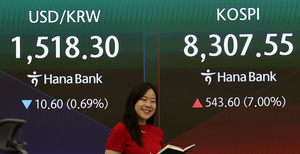
Crude oil prices have surged past $100 a barrel for the second day amid the escalating Iran war, with Brent crude reaching $102.50 on March 9, 2026. This disruption in the Persian Gulf and Strait of Hormuz is impacting not just energy markets but also Middle East trade, inflation, and sectors like tourism and manufacturing. Freight costs have risen 15-20%, driving up import prices for consumer goods and causing a 30% drop in UAE hotel bookings, highlighting broader economic vulnerabilities.
Economic Impacts and Analysis
The Iran war's effects extend beyond oil, straining trade routes and non-energy sectors. The Strait of Hormuz, vital for 20% of global oil traffic, is experiencing delays that inflate costs for imports like electronics and food. In Saudi Arabia and the UAE, inflation could reach 8-10% by Q2 2026, per IMF estimates, leading to job losses in manufacturing (down 5%) and risks to tourism initiatives like Saudi Vision 2030. Social media echoes the concern, with experts noting potential $5B weekly trade losses for GCC countries and impacts on SMEs.
Looking Ahead
Prolonged conflict may keep Middle East inflation above 10%, risking recessions in oil-dependent nations like Iraq and Kuwait within 6-12 months. However, this crisis could accelerate diversification into renewables, such as Saudi NEOM and UAE's Masdar projects, potentially reshaping exports by 2027. International efforts like US naval escorts or OPEC+ output hikes might stabilize the situation, but escalation remains a threat.
This is a developing story and will be updated as more information becomes available. (Word count: 612)