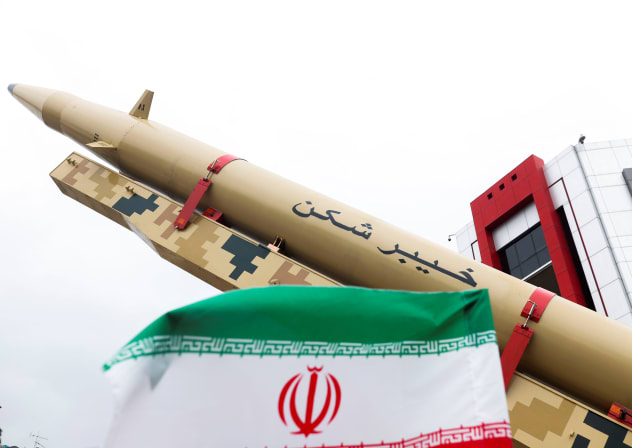

Iran Warns of Harsh Response to U.S. Threats Amid Rising Tensions
In a significant escalation of rhetoric, Iran's President Masoud Pezeshkian has issued a stern warning of a "harsh response" to any potential military actions by the United States. This announcement comes in the wake of recent comments from U.S. President Donald Trump, adding to the already heightened tensions between Tehran and Washington.
The warning was made on December 30, 2025, and reflects Iran's increasingly confrontational stance towards the West and Israel, with Pezeshkian asserting that the country is "at war" with both entities. "Any act against us will be met with a decisive response," Pezeshkian stated, underscoring Iran's commitment to defending its sovereignty amidst ongoing threats. This statement resonates with previous remarks made by Iranian officials, who have frequently portrayed the U.S. and its allies as aggressors in the region.
Context of the Tensions
These tensions come at a time when Iran is grappling with severe economic sanctions, particularly from the United States, which have crippled its economy and led to widespread domestic discontent. In a bid to circumvent these sanctions, Iran's Defense Ministry has recently begun offering military contracts via cryptocurrency, aiming to secure funding for its defense projects without relying on traditional financial systems that are often targeted by sanctions. This move highlights Iran's innovative strategies to adapt to the pressures imposed by Western nations.
Concurrently, the Iranian leadership is facing internal challenges as well. Protests have been fueled by economic grievances, and external support for dissenters has been noted, including initiatives from Israeli social media outlets aimed at encouraging Iranian protesters. This has added another layer of complexity to the already volatile situation, as the Iranian government perceives foreign influence as a direct threat to its stability.
Broader Implications
The implications of these developments extend beyond Iran's borders. Pezeshkian's aggressive stance is likely to influence regional dynamics, particularly in light of the ongoing conflicts involving Israel and its neighbors. As Israel continues its military operations in Gaza and faces off against Hezbollah, the potential for a broader confrontation involving Iran cannot be overlooked.
Moreover, Iran's declaration of being "at war" with the West and Israel may signal a shift in its foreign policy approach, potentially prompting increased military readiness and strategic alliances with other nations opposed to U.S. influence in the region.
Conclusion
As tensions between Iran and the United States escalate, the global community watches closely. The potential for conflict looms large, particularly as Iran continues to assert its military capabilities and defy Western sanctions. With President Pezeshkian's recent comments, it is evident that Iran is prepared to respond decisively to any perceived aggressions, raising concerns about stability in the Middle East and the broader geopolitical landscape.






