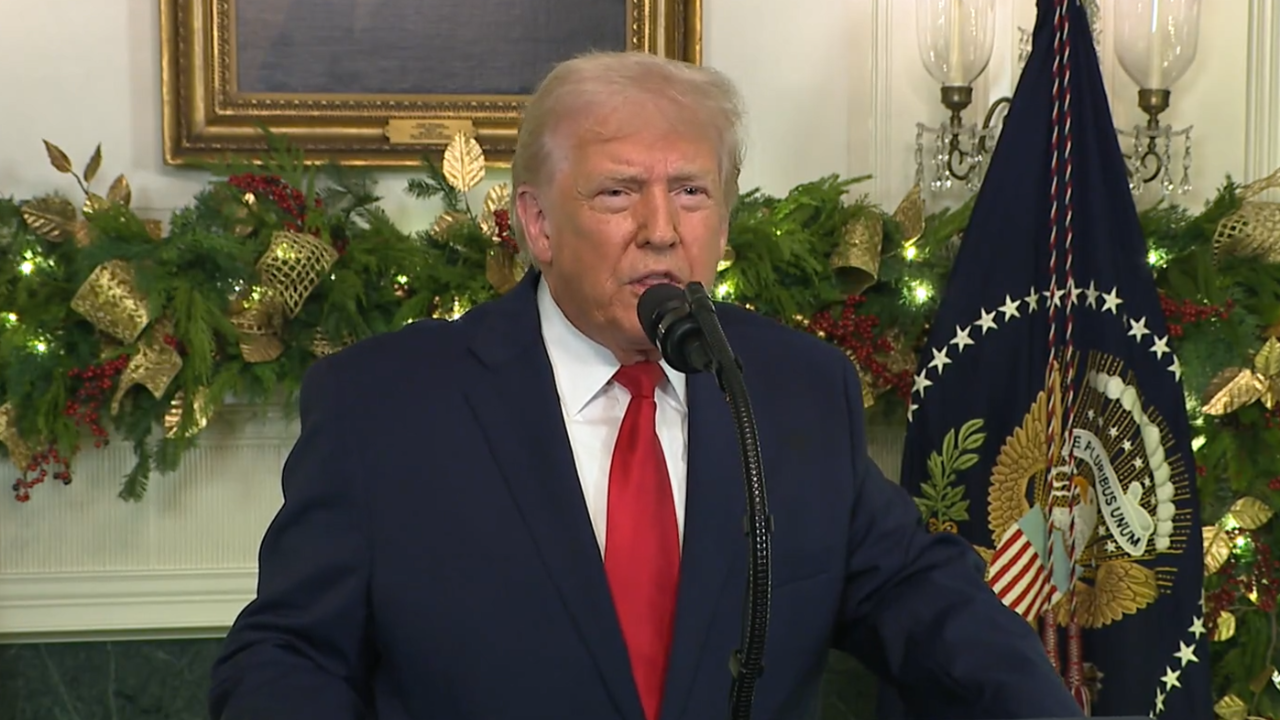

Iran Warns of Harsh Response Amid Escalating Tensions with the United States
In a significant escalation of rhetoric, Iranian President Masoud Pezeshkian has issued a stern warning of a harsh response to potential U.S. military interventions following comments made by U.S. President Donald Trump. This warning comes as tensions continue to rise in the Middle East, with Iran formally addressing the United Nations Security Council (UNSC) regarding what it deems "reckless and inflammatory threats" from the U.S. leader.
On December 30, 2025, President Trump indicated that the U.S. would consider intervening if Iran violently suppresses ongoing protests within its borders. These comments have been met with swift condemnation from Tehran, which views them as a direct threat to its sovereignty and internal affairs. In response, President Pezeshkian emphasized that any aggression from the U.S. would not be tolerated, suggesting that Iran is prepared to take decisive action.
According to reports, Iran's letter to the UNSC urged international bodies to respond to Trump's remarks, highlighting the potential for escalation in the region. This diplomatic move is part of Iran's broader strategy to rally international support against perceived threats from the U.S. government. The Iranian leadership has portrayed the U.S. stance as an infringement on its national sovereignty and a violation of international law.
The Iranian government has been particularly sensitive to external pressures amid ongoing domestic unrest, which has been fueled by a combination of economic difficulties and social grievances. Protests in Iran have seen a resurgence in recent months, with demonstrators calling for political reforms and economic relief. The Iranian administration has responded to these protests with a heavy hand, leading to accusations of human rights abuses.
In his remarks, President Trump referenced the potential for U.S. intervention as a deterrent against the Iranian government's crackdown on protests, a statement that has drawn sharp rebukes from Iranian officials. In their UNSC letter, Iranian authorities characterized Trump's comments as an incitement to violence and an attempt to undermine the country's stability.
The geopolitical implications of this situation extend beyond the U.S.-Iran relationship. Iran's warnings come at a time when regional tensions are already high due to ongoing conflicts in Yemen, the Israel-Palestine issue, and the broader U.S.-China rivalry. The Iranian leadership's strong stance against U.S. threats could further inflame regional dynamics and provoke reactions from allied nations.
Background
This recent escalation occurs in the context of a long-standing and fraught relationship between the U.S. and Iran, particularly since the U.S. withdrew from the Joint Comprehensive Plan of Action (JCPOA) in 2018. Since then, the U.S. has imposed a series of sanctions aimed at crippling Iran's economy, which has exacerbated internal discontent and led to increased protests.
The current Iranian administration, which has been in power since mid-2024, seeks to navigate these domestic challenges while facing external pressures from the U.S. and its allies. As protests continue and the government faces criticism both at home and abroad, the potential for miscalculations or misinterpretations of intentions remains high.
Conclusion
As tensions escalate, the international community is closely monitoring the situation. Iran's warning of a harsh response to U.S. threats underscores the fragile nature of the current geopolitical landscape. The coming weeks may prove critical in determining whether diplomatic channels can be effectively utilized to de-escalate tensions or if further confrontations will arise. The global implications of this standoff are significant, as both nations navigate a complex web of alliances and conflicts that could reshape the region's future.






