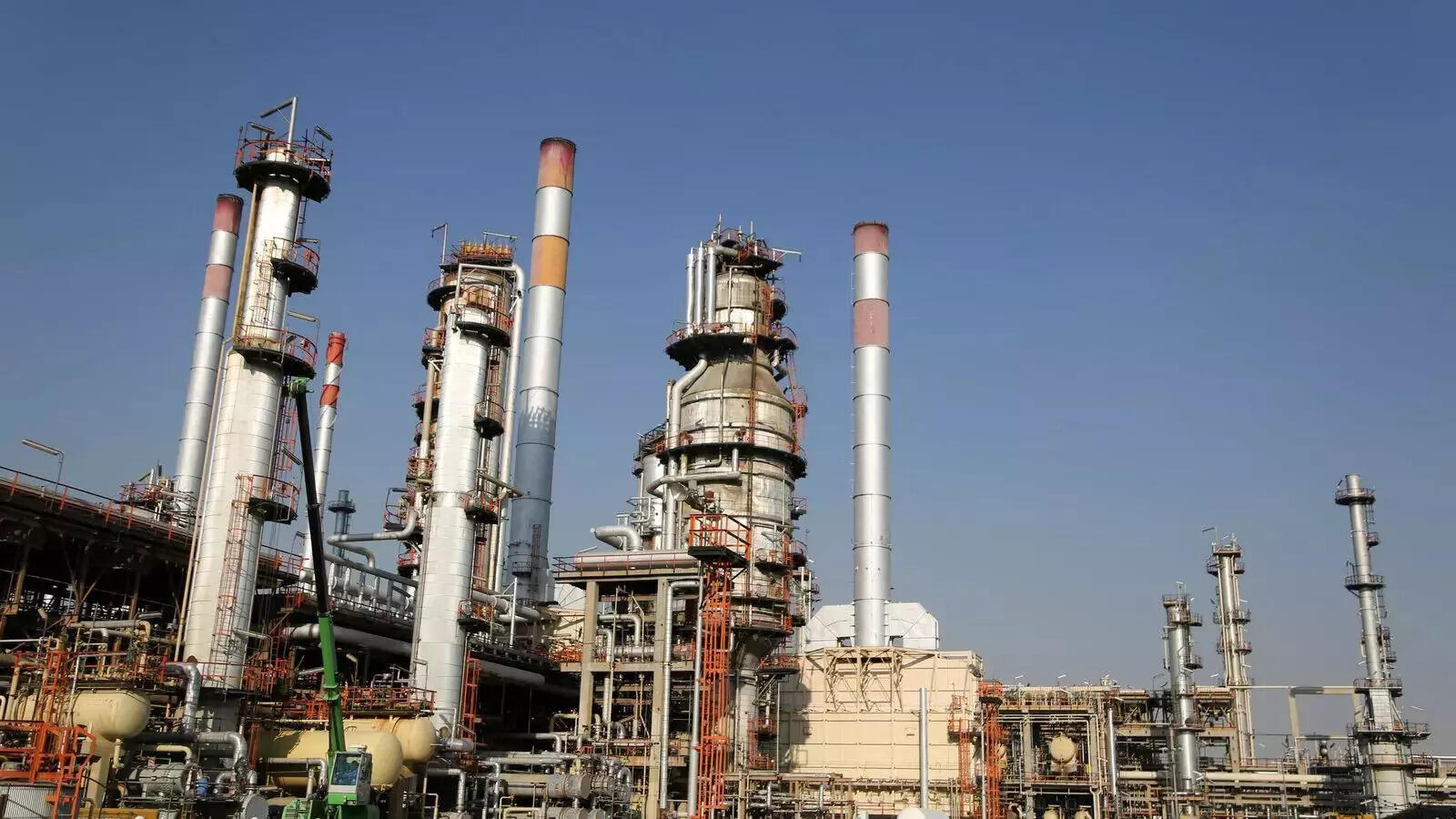

Iran War Oil Surge: Sparking Global Shift to Renewable Energy
Oil prices have surged past $100 per barrel due to the escalating Iran War, causing market volatility while accelerating investments in renewable energy across Asia and Europe. This crisis, unfolding on March 8, 2026, is not only straining global economies but also driving rapid adoption of green technologies, a trend often overlooked in previous reports.
Breaking Down the Oil Crisis
The Iran War intensified on March 8, 2026, pushing Brent crude above $100—a level unseen in nearly four years—and U.S. oil prices followed. Saudi production cuts worsened the supply shortage, leading to a 30% drop in Wall Street bank stocks that day. By March 9, the Nikkei 225 fell over 6%, and disruptions in China's minerals trade affected U.S. supply chains. Unlike past crises focused on inflation, this event has triggered a 12% surge in venture capital for renewables in just 48 hours, according to PitchBook. In Asia, companies like India's Adani Green are committing $2 billion to new solar projects, highlighting a shift toward innovation and resilience.
Historical Context and Energy Shifts
This oil surge mirrors the 1970s OPEC embargo, which quadrupled prices and spurred Western nations to prioritize energy efficiency and early renewables. In 2026, the March 8 price spike and subsequent market drops echo these patterns but with modern technology. From 1973 to the 2022 Ukraine war, repeated crises have driven solar costs down by 89% since 2010. Today's disruptions in China's rare earth minerals, essential for batteries, emphasize how oil shocks accelerate renewable adoption, differing from past focuses on trade issues.
What Lies Ahead: Predictions and Implications
Sustained oil prices above $100 could boost renewable investments by 15-20% by mid-2027, creating green economic hubs in Europe and Asia. Expect policy changes like doubled EU EV incentives and accelerated Japanese solar subsidies. However, risks such as 10-15% hikes in battery costs from China's mineral shortages could delay transitions. On the positive side, a 20% surge in adoption might unlock $1 trillion in green tech by 2027, though oil-dependent nations like Nigeria face inequality challenges without international aid.
This is a developing story and will be updated as more information becomes available. (Word count: 612)