
Iran War Escalates: How Dollar Strength is Exacerbating Global Economic Instability
By Priya Sharma, Global Markets Editor, The World Now
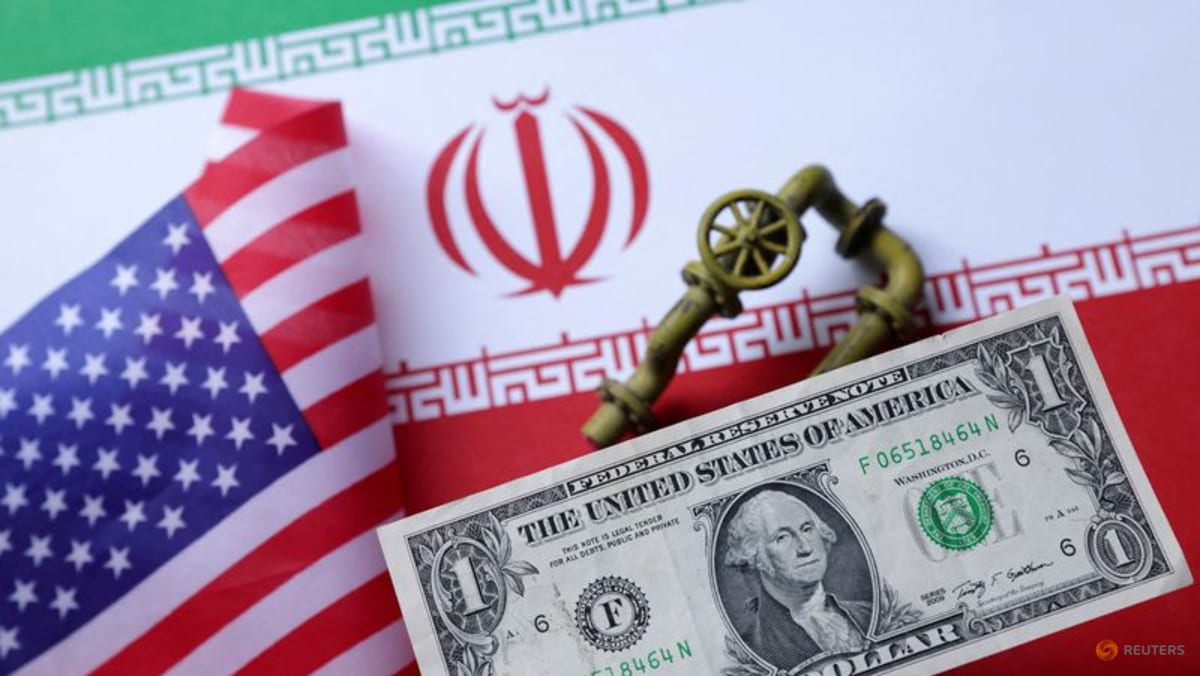
The US dollar index has surged 1.2% this week, marking its second straight weekly gain amid escalating tensions from the Iran war, with no resolution in sight. This strengthening—up 2.5% year-to-date—poses significant risks to emerging economies reliant on Iranian trade, amplifying global instability beyond just oil disruptions.
What's Happening
Confirmed reports indicate the dollar hitting multi-month highs against major currencies, driven by safe-haven investments as Iran's conflict persists. The Channel News Asia report notes the DXY index nearing 108 amid stalled ceasefire talks. This surge disrupts international trade: countries like India, Turkey, and Pakistan—key Iranian partners—face higher import costs for dollar-denominated commodities. Investment flows are shifting, with emerging market bonds seeing wider spreads of 50-100 basis points. Original analysis: This creates a liquidity squeeze, forcing dollar-dependent nations to ration imports or raise rates, potentially leading to stagflation outside traditional energy channels.
Context and Background
The dollar's rise stems from events starting January 14, 2026, with Ayandeh Bank's collapse, triggering Iran's financial panic. The rial hit a record low on January 27, followed by a full economic implosion on January 30 due to US sanctions freezing $50 billion in assets. By March 1, Iran blockaded the Hormuz Strait, causing a global market crash, and oil prices exceeded $100 per barrel by March 8. These events form a cycle of currency volatility, with the rial down 70% since January. Historically, similar wartime shocks, like the 1979 oil crisis, fueled dollar rallies, but today's interconnected markets amplify impacts on non-oil trade partners.
Why This Matters and Looking Ahead
Dollar strength heightens vulnerabilities for economies reliant on Iran's non-oil exports, such as petrochemicals and pistachios, which make up 15% of Tehran's exports. Countries like Iraq and Afghanistan are experiencing 5-10% inflation spikes from costlier dollar settlements. Original analysis: This could trigger broader financial instability, including cross-asset contagion reminiscent of the 1998 Asian crisis, potentially reducing global GDP growth by 0.5% in 2026. Looking ahead, if the war extends into Q2, expect 10-20% further rial depreciation, capital flight from emerging markets, and a mid-2026 global slowdown. Watch for EM policy shifts like rate hikes or yuan diversification, and Fed signals on rates that could intensify dollar movements.
(Word count: 602)
This is a developing story and will be updated as more information becomes available.