
Iran Strikes Kuwait, Oman and Other Gulf States After US Hits 140 Targets
Iran launched fresh attacks on Gulf states including Kuwait, Oman, Jordan, Qatar, the UAE and Bahrain on Sunday evening, hours after US strikes on Iranian targets and amid escalating conflict over control of the Strait of Hormuz. [2]
Iran Attacks Gulf Targets After US Strikes
Fresh attacks rocked Iran and Kuwait on Sunday evening as Tehran and Washington squared off over the Strait of Hormuz. [2] The as-yet unclaimed strikes came hours after Tehran and Washington exchanged fire for the third time this week, with control of Hormuz again the central issue. [2] Iran's response to the US strikes came quickly, with sirens and explosions heard in Qatar, the United Arab Emirates and Bahrain. [2] Kuwait said it was working to intercept an attack, while Jordan said three Iranian missiles fell inside the kingdom. [2] Iran's Guards said they also hit Oman, which has rarely been targeted. [2] Muscat summoned the Iranian ambassador and handed him a formal protest. [2]
Clash Over Strait of Hormuz Control
The exchanges earlier in the day were prompted by an Iranian attack on a commercial ship in the waterway whose crew was forced to abandon it after it went up in flames. [2] Iran's Revolutionary Guards said after the incident that "the Strait of Hormuz will be closed until further notice and until the end of American interventions in this region". [2] The US military's Central Command countered on X that the strait was "open to all vessels seeking to lawfully transit". [2] It said US forces were "positioned and prepared to ensure" freedom of navigation, adding: "Iran does not control the strait. Traffic is flowing." [2] Before the war began with surprise US-Israeli strikes against Iran on February 28, there was free passage through Hormuz, but Tehran now insists that it will control the strait, while Washington is adamant it cannot. [2] Control of the waterway has become key leverage for Iran, with an adviser to the country's supreme leader on Sunday saying it was more important than "dozens of atomic bombs". [2]
Casualties and Damage Reported
Iran reported strikes on two of its southern islands while Kuwait, where Tehran has repeatedly targeted US installations, said border posts and an offshore oil platform had been attacked. [2] On Sunday evening, Iranian state media reported at least 10 "enemy projectiles" hitting Qeshm Island, which sits on the Strait of Hormuz. [2] It also reported strikes on the island of Farur, to the east of Qeshm in the Gulf, that it said killed a telecommunications worker and wounded two others. [2] Shortly after, Kuwait said three of its land border posts in the north were damaged in an attack, and that an offshore drilling platform "was targeted by a hostile drone", with one person injured. [2] The American military said it had responded with strikes on about 140 targets, and Iranian media reported explosions in Bandar Abbas, Sirik, Jask and on Qeshm, as well as in Khuzestan province, with one soldier reported killed in the southern city of Jask. [2] Sunday's attack on a Cyprus-flagged container ship in the waterway left one Indian sailor missing, New Delhi said. [2] Muscat, meanwhile, said it had rescued 23 crew members from a commercial ship. [2] The crew abandoned ship and were on a lifeboat, British maritime agency UKMTO reported, around 17 kilometres (10 miles) east of Oman. [2]
US and Iranian Statements
US President Donald Trump told CNN that "we hit them very hard last night", maintaining the two sides had been close to a deal on Saturday. [2] "They were giving up everything, and then all of a sudden two hours after that they hit a ship with a drone," he said. [2] Iran's supreme leader Mojtaba Khamenei has vowed revenge for the killing of his father and predecessor on the first day of the war, and said Iran had compiled a list of individuals to be targeted. [2] Trump on Saturday said any attempt to assassinate him would lead the United States to "completely decimate" Iran. [2] He has declared an April ceasefire over -- while leaving the door open for further talks -- and mediators have been trying to salvage a diplomatic solution. [2]
International Calls for De-escalation
The top diplomat for Pakistan, which has been mediating, called for "de-escalation" on Sunday during a phone call with his Iranian counterpart, Islamabad said. [2] "Dialogue and diplomacy remain the only viable path to resolving disputes and achieving lasting peace," said Foreign Minister Ishaq Dar. [2] UN Secretary-General Antonio Guterres also called for peace, with his spokesman saying "these attacks must stop". [2] The attack came just hours after the country hosted Iran's foreign minister to discuss the Strait of Hormuz. [2]
Separate Conflicts in Sudan and Mali
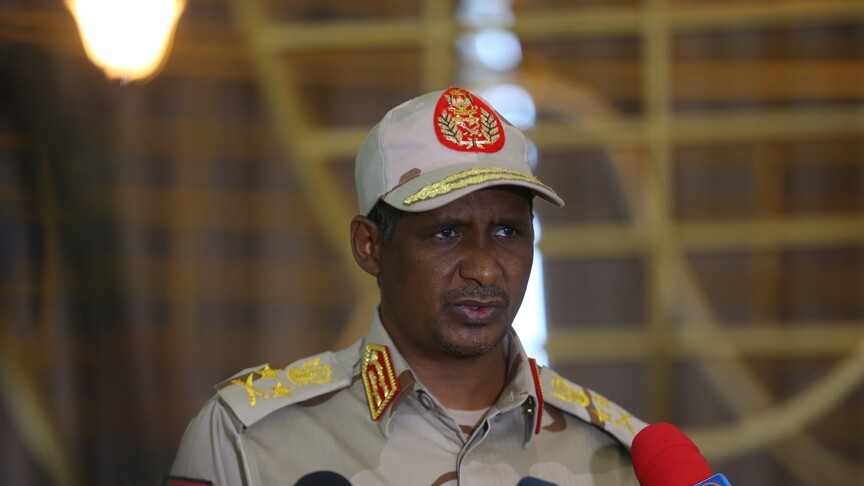
Sudan court sentences RSF leader to death in absentia. [1] Ruling marks first court verdict against paramilitary leader since conflict erupted in April 2023. [1] The Malian army says about 30 troops have been killed and dozens more wounded during an operation to retake the northern town of Anefis from rebels. [3] Tuareg separatists and fighters from an armed group linked to al-Qaeda captured Anefis in their latest series of simultaneous attacks on army positions across the country on July 4. [3] On Friday, the army said it had taken control of the town, some 100km (62 miles) from the strategic city of Kidal, after nearly a week of fighting. [3] “I regret the loss of around 30 people, 30 fallen martyrs,” army chief General Jean Elysee Dao told state TV, adding that about 60 were wounded, including some in serious condition. [3] “We also have around 60 wounded, including serious cases,” Dao said. [3] His comments came a day after the Tuareg-led Azawad Liberation Front (FLA) said it had lost some of its best fighters during the battle against the army and its allied Russian paramilitaries, but had inflicted “the heaviest material and human losses in their history in the region”. [3] Military-run Mali has been grappling with a security, political and humanitarian crisis for more than a decade. [3] The al-Qaeda-linked Jama’at Nusrat al-Islam wal-Muslimin controls swaths of rural territory in the country while the FLA seeks to establish an independent state in northern Mali. [3] While often at odds, fighters from the two groups or their predecessors have also partnered on occasion to fight common enemies, namely Mali’s government and its allies. [3] In late April, they were behind another series of coordinated attacks that targeted locations across Mali, killing Defence Minister Sadio Camara and prompting fighters to declare a siege on the capital, Bamako. [3]
What to watch next: Mediators have been trying to salvage a diplomatic solution after the April ceasefire was declared over, with Pakistan's foreign minister urging de-escalation and the UN calling for the attacks to stop. [2]