
Iran Strike Unleashes Wave of Global Economic Repercussions
The Iran strike has triggered immediate economic shockwaves worldwide, disrupting the Strait of Hormuz and causing U.S. oil prices to surge 8% in one session. This event is reshaping global trade alliances, with airlines like AirAsia and Qantas raising fares due to rising fuel costs, and regions like Southeast Asia and Africa gaining strategic advantages amid Iran geopolitics.
What's Happening
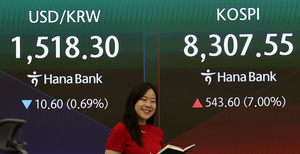
The Iran strike has disrupted key infrastructure near the Strait of Hormuz, affecting about 20% of global oil flows. This led to Wall Street declines, with U.S. crude futures jumping above $85 per barrel and Brent crude rising 7.2%. Airlines in Southeast Asia, including AirAsia and Qantas, have hiked fares by 5-10% to cover increased fuel expenses. Meanwhile, Nigeria's Dangote Refinery is ramping up production to mitigate shortages caused by the Iran war.
Why This Matters
The Iran strike is accelerating shifts in global trade, benefiting non-Middle East dependent economies. For instance, the EU's Mercosur deal boosts South American exports, while Africa's duty-free access to China enhances resilience. This realignment pressures exporters like South Korea amid U.S. trade probes, potentially redirecting manufacturing to Southeast Asia.
Looking Ahead
As the Iran strike continues to unfold, oil prices may fluctuate 10-15% quarterly, with potential spikes to $95 per barrel if disruptions worsen. Investors should monitor IEA emergency reserves and emerging market strategies, such as increased LNG deals in Indonesia and Nigeria's output growth. This could lead to sustained volatility, favoring diversification into EM bonds and renewables.