
Iran Protests Vengeance as Tens of Thousands March in Khamenei Funeral Procession
Huge crowds gathered in Tehran on Monday for the funeral procession of slain Iranian Supreme Leader Ali Khamenei, who was killed in an Israeli-U.S. airstrike on February 28, with mourners calling for revenge against the United States and Israel. Iran protests vengeance through the scale of the event and the explicit messages carried by participants.
Massive Tehran Procession Marks Third Day of Mourning
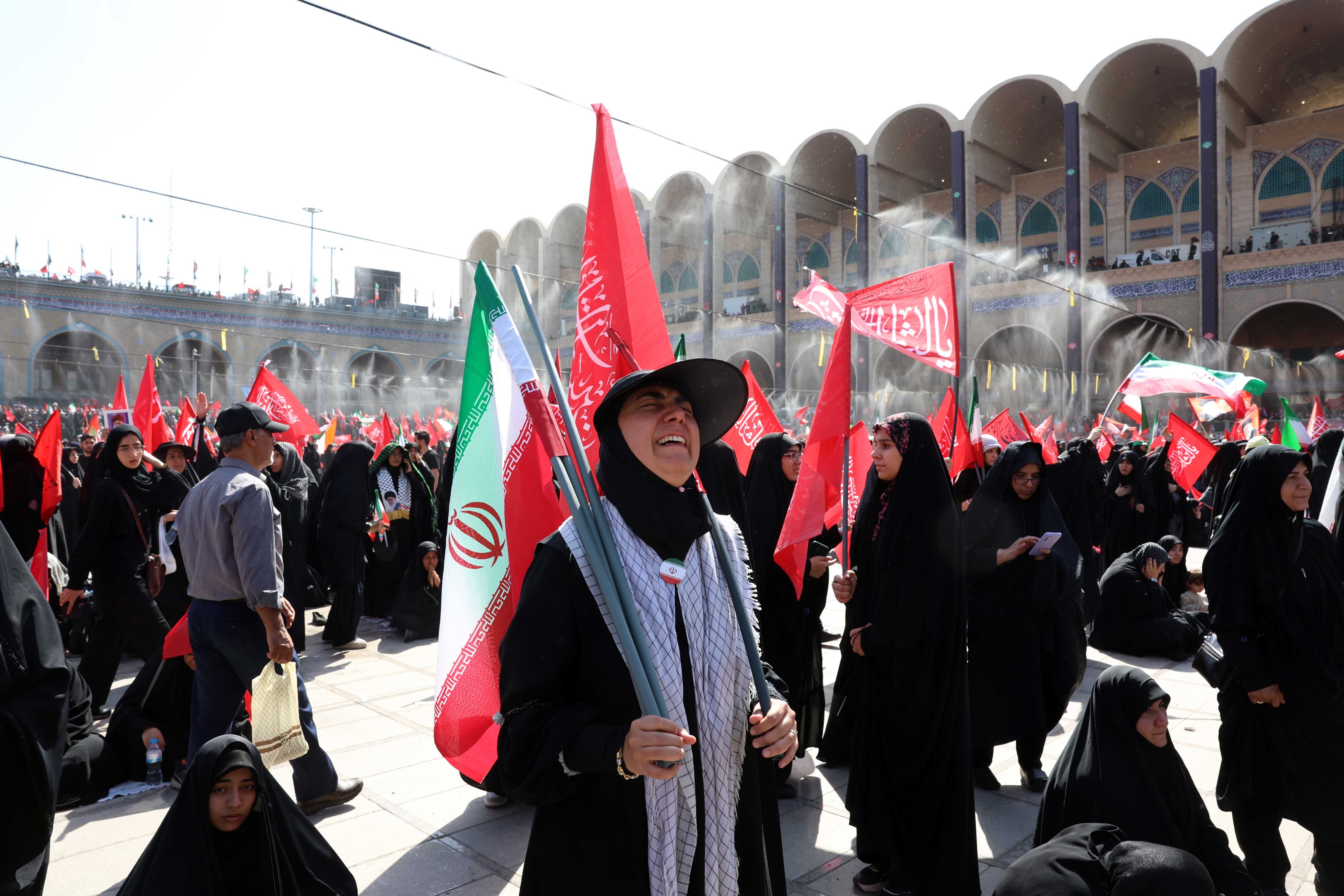
Drone footage on state television showed many tens of thousands of people crammed into a boulevard in central Tehran as the coffins of the slain leader and four family members were driven through the streets in a large truck. [1] Fire hoses sprayed water from above to keep the marchers cool in the heat. [1] Authorities estimated millions were on the streets in numbers that could rival those of his predecessor’s farewell nearly four decades ago, though no official turnout figure was released. [3] AFP images showed huge numbers stretching along major boulevards. [3] The procession route covers around 20 kilometres. [3] Tehran’s airspace was closed on Monday as the country stood still. [3] Concrete walls at the Grand Mosalla religious complex had separated the public from the coffin during earlier lying in state to prevent stampedes, and organisers remained mindful of past chaos. [3]
Iran Protests Vengeance Against Trump and Israel
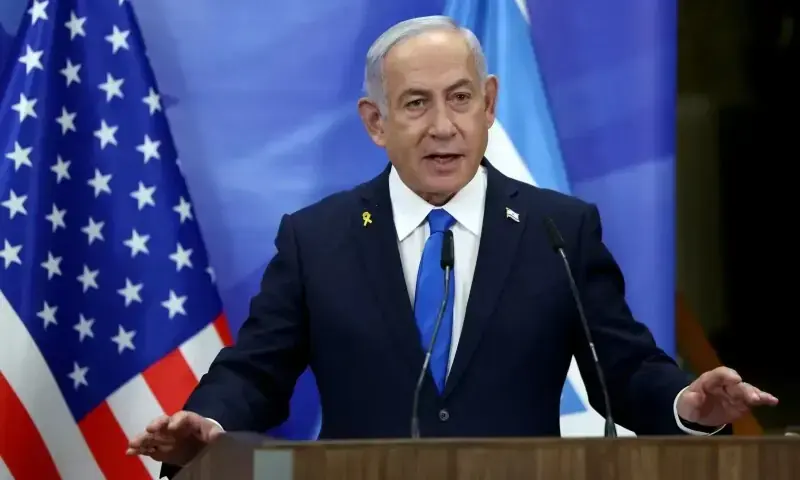
As the procession passed under a bridge, mourners hurled stones at a billboard showing U.S. President Donald Trump with a bullet aimed at his head. [1] The crowds waved Iranian flags and red banners with a slogan calling out to the “avengers of Khamenei”. [1] Others gathered in Imam Hussein Square in eastern Tehran and hanged an effigy of US President Donald Trump. [3] Some carried placards with images of US Vice President JD Vance, US Defense Secretary Pete Hegseth and Israeli Prime Minister Benjamin Netanyahu and the words “There will be blood.” [5] A woman who called herself Khamenei’s soldier told reporters, “We won’t rest until we have destroyed Trump and the other enemies of Islam and the supreme leader.” [2] Iran’s army chief, Major General Amir Hatami, pledged that the nation would never cease its pursuit of justice. [5] A 38-year-old attendee who gave his surname as Miremadi said, “The killers must face punishment.” [5]
Absence of New Supreme Leader Mojtaba Khamenei
On Sunday, three sons of the slain leader prayed beside his coffin at a huge Tehran prayer hall. [1] Mojtaba Khamenei, the son who succeeded him as Iran’s supreme leader, did not make an appearance. [1] Believed to have been disfigured by wounds in the attack that killed his father, the younger Khamenei has yet to be seen in public since the war began. [1] Officials have said he was wounded in the airstrikes, but the severity of his injuries remains unclear. [3] It is not known whether he is alive or dead, and no recent photograph or audio of him has been released. [2] Three of Ali Khamenei’s sons made a rare public appearance at the funeral on Sunday, further highlighting the absence of Mojtaba. [3] The new commander of Iran’s Revolutionary Guards, Ahmad Vahidi, appeared at the funerals for a second time on Sunday, and Esmail Qaani, head of the Guards’ Quds Force, also made a rare appearance. [3]
Funeral Schedule and Processions Across Iran and Iraq
The mourning ceremonies began on Friday when the coffins lay in state for Iranian officials and foreign dignitaries. [1] Further large-scale ceremonies were held outdoors on Saturday and Sunday before Monday’s procession. [1] Monday’s procession will be followed by similar events in the clerical hub of Qom on Tuesday and in Iraq’s holy cities of Najaf and Karbala on Wednesday, culminating in Khamenei’s burial in his hometown of Mashhad in northeastern Iran on Thursday. [3] The body will travel the Shi’ite shrine route from Najaf to Karbala in Iraq before returning to Iran. [2]
Government Projects Resilience After Ceasefire
The ceremonies offer Iran an opportunity to project resilience after five weeks of war with the United States and Israel. [3] The war has ended with a preliminary peace agreement reached last month that left Iran’s clerical leadership in power and claiming victory, with newfound clout from exerting control over global energy supplies through the Strait of Hormuz. [1] Trump has also claimed victory, although the aims he gave at the outset have yet to be achieved. [1] Iran’s parliament speaker and chief negotiator with the US, Mohammad Bagher Ghalibaf, hailed the way the “proud and invincible nation of Islamic Iran unanimously” paid tribute to its “martyr”. [5] Both Washington and Tehran have warned they are ready to resume military action. [3] Peace talks with Iran had been delayed for a week by the funeral ceremonies, according to Trump. [1] Israel’s defence minister, Israel Katz, said the elder Khamenei had been killed because he led a programme to destroy Israel and that any Iranian leader who will again try to pursue such plans will be killed as well. [1]
Context of Khamenei's Death and Supporters' Grief
Khamenei, 86, was killed in an air strike on February 28, the first day of the war, after ruling Iran for nearly 37 years. [5] The other remains on display were Khamenei’s daughter, son-in-law, daughter-in-law and 14-month-old granddaughter who were all killed alongside him. [5] For many Iranians attending the processions, grief is mixed with uncertainty and a sense of defiance. [4] Attendees described the news of the death as a huge shock that left some weeping on rooftops. [2] Supporters waved flags of Iran and the Tehran-backed Lebanese militant group Hezbollah, as well as red flags symbolising revenge. [3] Delegations from Palestinian Hamas and Lebanon’s Hezbollah attended the ceremonies. [5] One attendee, an IT specialist named Amir, said, “This is only a silence in the middle of the war.” [2] Another said the United States and Israel are preparing a new attack and that Iran would strike first this time. [2]
What to watch next: The body will move to Qom on Tuesday, then to Najaf and Karbala on Wednesday before burial in Mashhad on Thursday, while both sides continue to warn they remain ready to resume military action.