
Iran Issues Warning of Harsh Response Amid U.S. Threats
In a significant escalation of tensions between Iran and the United States, President Masoud Pezeshkian has issued a stern warning of a harsh response to any potential military actions suggested by U.S. President Donald Trump. The warning, which comes in the wake of Trump's recent threats, underscores the fragile state of U.S.-Iran relations and the broader geopolitical landscape in the Middle East.
The remarks made by Pezeshkian on December 30, 2025, reflect Iran's long-standing position of resistance against what it perceives as external aggression. The Iranian administration is responding not only to direct threats but also to the broader implications of U.S. military posturing in the region. The warning highlights Iran's commitment to defending its sovereignty and territorial integrity against foreign intervention.
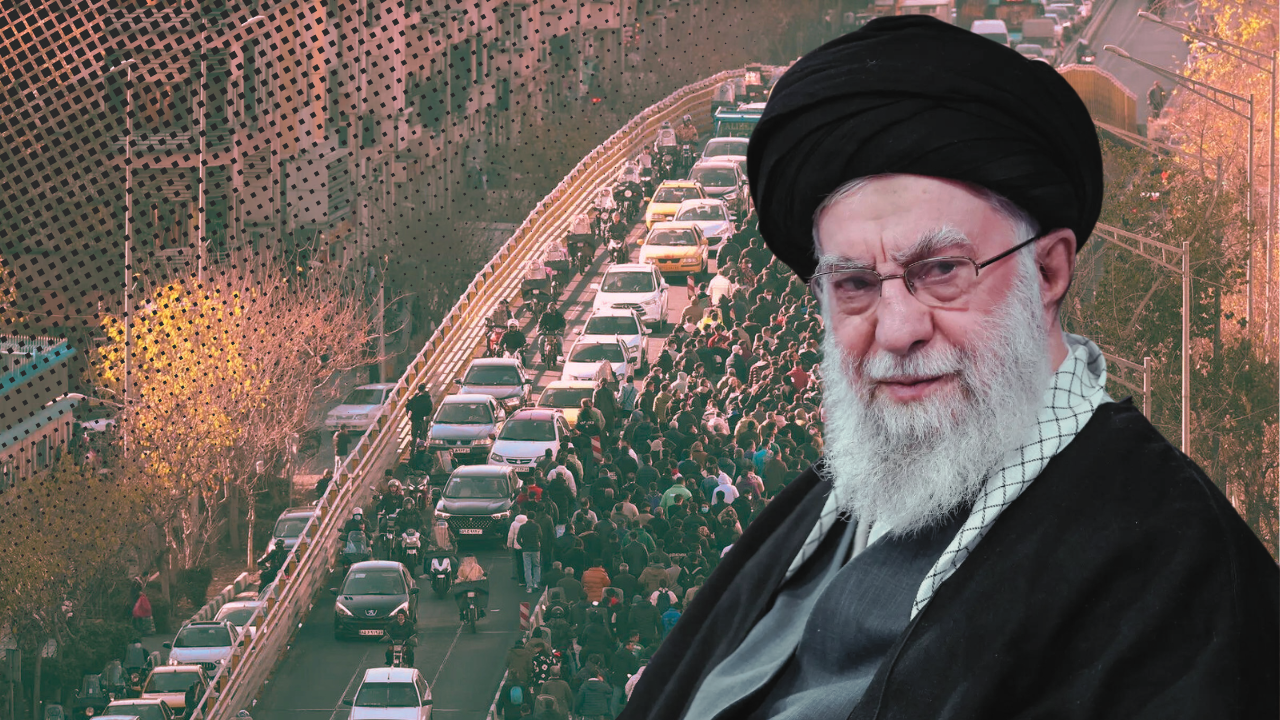
Supreme Leader Ayatollah Ali Khamenei further amplified this sentiment, stating, "We will not yield to the enemy," during a public address on January 3, 2026. Khamenei emphasized the need to maintain domestic stability and control unrest, indirectly referencing ongoing challenges within Iran, including economic hardships and social discontent. His comments suggest a dual focus on external threats from the U.S. and internal pressures that the Iranian government seeks to manage.
The backdrop to these developments includes a history of escalating tensions between the two nations, particularly following the U.S. withdrawal from the Joint Comprehensive Plan of Action (JCPOA) in 2018 and the re-imposition of sanctions on Iran. These actions have severely impacted Iran’s economy and increased regional instability, leading to a cycle of threats and counter-threats.
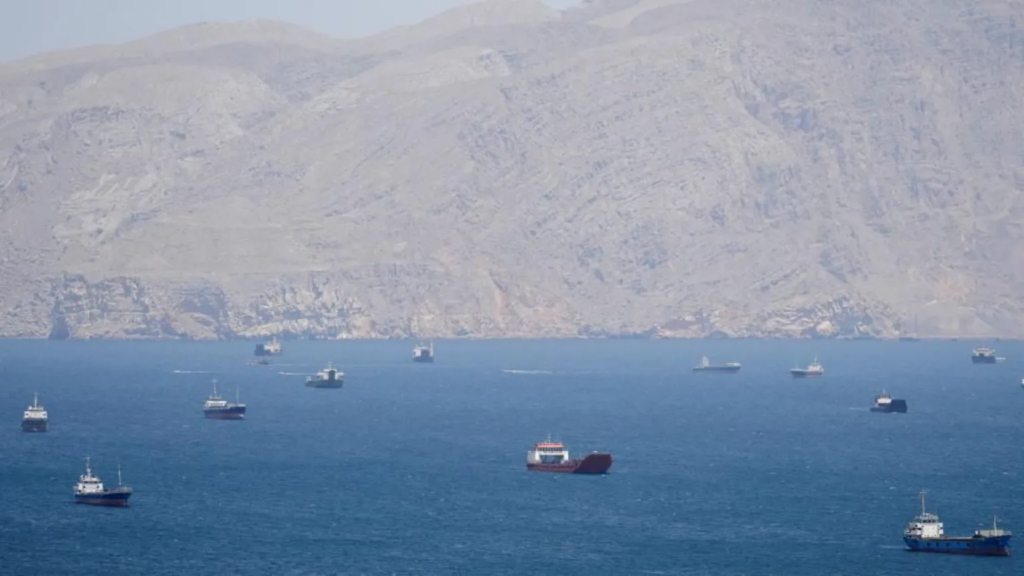
In recent months, U.S.-Iran relations have been further strained by incidents in the Gulf region, where the U.S. has conducted military exercises and increased its naval presence, citing threats from Iranian forces. This military buildup has prompted concerns in Tehran, which views such actions as provocative and a direct challenge to its national security.
As the geopolitical landscape continues to evolve, the potential for confrontation remains high. Analysts suggest that both sides may be engaged in a dangerous game of brinkmanship, where miscalculations could lead to unintended escalation. The United States, under President Trump's administration, has maintained a hardline stance on Iran, often utilizing military threats to underscore its diplomatic strategies.
Looking ahead, the situation remains fluid as both nations navigate their respective domestic and international pressures. Iran's leadership appears determined to project strength and unity in the face of external threats, while the U.S. continues to assert its influence in the region. The interplay of these dynamics will be crucial in shaping the future of U.S.-Iran relations and overall stability in the Middle East.
As tensions mount, the international community is closely monitoring developments, with calls for diplomatic engagement to prevent further escalation. The recent exchanges of threats underscore the urgent need for dialogue to address the underlying issues and foster a more stable and peaceful regional environment.