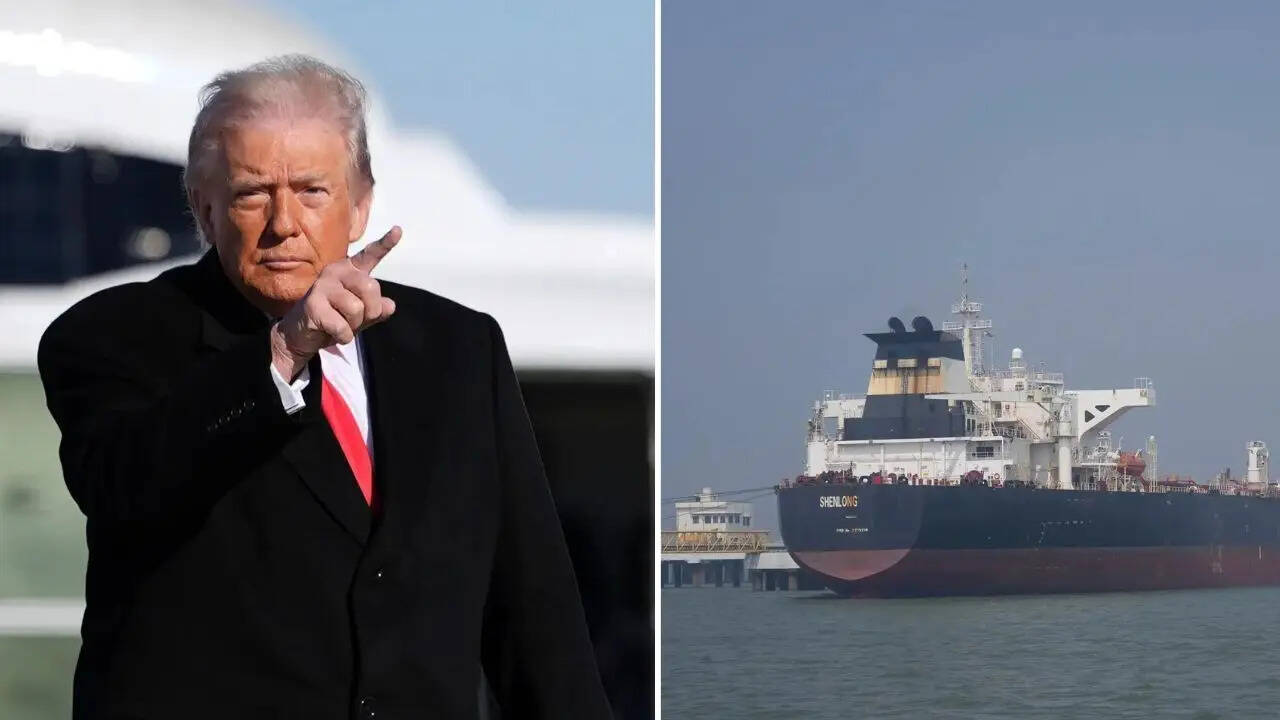

Iran Geopolitics sees US pause on Strait of Hormuz escorts for negotiations
The United States is pausing its military operation to escort ships through the Strait of Hormuz as part of efforts to negotiate with Iran amid ongoing regional tensions.[2][3] In the broader context of geopolitics Iran, this decision by President Donald Trump marks a significant shift in U.S. strategy in the Middle East, where Iran's recent establishment of a new authority to regulate maritime transit through the vital waterway has heightened concerns.[1] Trump announced the halt of "Project Freedom," the initiative launched to escort vessels, just one day after it began, following requests from Pakistan and in pursuit of diplomatic progress with Iran.[3][4] Despite the pause, U.S. forces continue defensive actions while maintaining a blockade of Iranian ports, as tensions linger in the Gulf under a fragile ceasefire.[2]
US Halts Escort Operations in the Strait of Hormuz
The U.S. military's decision to pause its escort operations through the Strait of Hormuz represents a tactical de-escalation amid complex regional dynamics. President Donald Trump explicitly stated that "Project Freedom," the operation designed to safeguard vessels navigating the strategic chokepoint, would be halted for a short period.[3] This came after the initiative had only been active for one day, underscoring the rapid pivot toward diplomacy.[4] The Strait of Hormuz, a narrow passage critical for global oil shipments, has long been a flashpoint, and the U.S. move follows intensified activities that necessitated such escorts in the first place.[2]
Trump's announcement ties directly to ongoing negotiations with Iran, positioning the pause as a gesture to facilitate talks aimed at resolving broader conflicts.[2][4] Reports indicate that the halt was influenced by external diplomatic pressures, including requests from Pakistan, which sought to create space for progress toward a potential deal.[3] This operation's suspension does not signal a full withdrawal; rather, it reflects a calibrated response to the evolving situation, where U.S. priorities have shifted from active escort duties to supporting dialogue.[2] The brevity of "Project Freedom"—lasting merely 24 hours—highlights the fluid nature of military engagements in the region, where decisions can turn on diplomatic opportunities.[4]
In practical terms, the pause means commercial and military shipping through the Strait will proceed without dedicated U.S. escorts for the time being, potentially exposing vessels to risks amid Iran's regulatory assertions.[3] This development has drawn international attention, as the Strait remains a linchpin for energy security, with any disruptions carrying global economic implications.[2] U.S. officials have framed the decision as temporary, emphasizing that it aligns with a broader strategy post the completion of more aggressive phases of operations.[3]
Iran Establishes New Maritime Control Authority
Iran's creation of a new authority to regulate and control all maritime transit through the Strait of Hormuz marks a bold assertion of sovereignty over one of the world's most vital sea lanes.[1] This entity is tasked with overseeing every aspect of shipping in the waterway, which connects the Persian Gulf to the Gulf of Oman and handles roughly 20% of global oil trade, though exact figures are not detailed in recent reports.[1] The move comes amid rising regional tensions, positioning Iran to enforce its influence directly on international commerce.[1]
By introducing this regulatory body, Iran is effectively challenging external powers' roles in the Strait, including past U.S. naval presence.[1] The authority's establishment provides a formal mechanism for Iran to monitor, permit, or restrict passages, potentially complicating navigation for foreign flagged vessels.[1] This development sets the stage for current frictions, as it coincides with U.S. military adjustments and underscores Tehran's determination to shape transit rules on its terms.[1]
The timing of this authority's launch amplifies its strategic weight, occurring as geopolitical pressures mount from ongoing conflicts.[1] Iran's action reflects a pattern of leveraging the Strait for leverage in disputes, though specifics on the authority's operational rules or enforcement capabilities remain outlined in initial announcements.[1] This regulatory shift has prompted reactions from maritime stakeholders worldwide, who must now navigate Iran's framework alongside international maritime law.[1]
Context of US-Iran Negotiations and Regional Tensions
The U.S. pause in escort operations is deeply intertwined with diplomatic overtures toward Iran, as President Trump seeks to capitalize on momentum in talks.[2][3] These negotiations aim to address the root causes of the Middle East war, with the Hormuz operation's halt serving as a confidence-building measure.[4] External allies like Pakistan have played a role, submitting requests that influenced the decision and highlighting multilateral efforts to de-escalate.[3]
Regional tensions persist despite a fragile ceasefire in the Gulf, where U.S. forces uphold a blockade of Iranian ports to maintain pressure.[2] This blockade underscores the unresolved nature of the standoff, even as dialogue progresses.[2] The completion of the offensive phase of "Operation Epic Fury" has allowed the U.S. to emphasize defensive postures, creating bandwidth for negotiations.[3] In this environment, the geopolitics Iran embodies—marked by proxy conflicts, sanctions, and naval posturing—continue to drive U.S. policy choices.[2][3]
Pakistan's involvement adds a layer of regional diplomacy, as its appeals to pause "Project Freedom" align with broader calls for restraint.[3] Yet, the Gulf's volatility remains, with the ceasefire described as precarious, vulnerable to incidents that could unravel progress.[2] These talks represent a potential off-ramp from escalation, but their success hinges on mutual concessions amid entrenched positions.[3]
Details of US Military Actions and Assessments
"Project Freedom" was conceived as a U.S. military initiative to escort ships safely through the Strait of Hormuz, countering threats posed by Iranian actions.[3][4] Launched ambitiously, it was suspended after just one day, with Trump citing the push for an Iran deal as the rationale.[4] This short-lived effort involved U.S. naval assets providing direct protection to vessels exiting the Strait, a response to heightened risks from the conflict.[4]
Complementing this, a top U.S. general has assessed recent Iranian attacks as falling below the threshold required to restart a bombing campaign.[5] This evaluation provides critical context for the pause, indicating that Iranian provocations have not yet crossed red lines that would demand renewed offensive strikes.[5] U.S. forces, therefore, persist with defensive operations, maintaining readiness without escalating to prior levels of intensity.[3]
The general's statement reflects ongoing monitoring of Iranian activities, where metrics for response are calibrated to avoid unnecessary provocation during talks.[5] Details from "Project Freedom" reveal its focus on enabling safe passage amid the blockade and Iran's controls, though its abrupt end prioritizes diplomacy.[4] These military assessments inform the broader strategy, balancing deterrence with negotiation windows.[5]
Current Status and Potential Outcomes
Currently, the U.S. maintains defensive actions in the region while the Hormuz escort pause holds, amid a Gulf landscape defined by persistent tensions and a shaky ceasefire.[2][3] The blockade of Iranian ports continues unabated, signaling that leverage remains in play despite the operational halt.[2] Trump's framing of the pause as short-term suggests flexibility, tied to negotiation advances.[3][4]
Iran's new authority operates in parallel, regulating transit as U.S.-Iran talks unfold.[1][2] A top general's view that Iranian attacks stay below bombing thresholds supports this de-escalatory stance, potentially paving the way for a deal to end hostilities.[5][4] Outcomes could range from resumed escorts if talks falter, to a comprehensive agreement reshaping Middle East dynamics.[2][3]
The situation's fragility is evident, with the ceasefire and blockade as key pressure points.[2] Progress toward a deal, as Trump envisions, might resolve the war, but depends on Iran's responses and regional actors like Pakistan.[3][4]
What to watch next: Monitor developments in U.S.-Iran negotiations for signs of a deal, potential resumption of "Project Freedom" escorts, and whether Iranian attacks escalate beyond the current threshold assessed by U.S. generals.[2][3][4][5]