
Iran Geopolitics: Exploring Global Economic Interconnectivity Through 3D Events and AI-Driven Market Forecasts
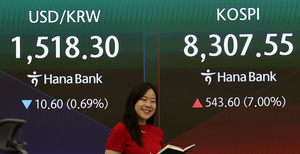
Iran geopolitics continues to shape global economic dynamics, with recent tensions disrupting supply chains and driving market volatility. This article uses 3D event mapping and AI forecasts to analyze impacts on 28 key assets, offering insights into opportunities amid uncertainty.
Introduction to Iran Geopolitics and Global Economic Shifts
In an era of interconnected economies, Iran geopolitics highlights how regional conflicts can trigger worldwide disruptions. Recent escalations, including Iran tensions, have spiked energy prices and logistics costs. This analysis goes beyond oil price spikes, employing 3D globe events to visualize interconnected risks, such as supply chain reroutes affecting manufacturing and trade.
Current Impacts and Historical Context of Iran Geopolitics
Historically, Iran geopolitics has caused global ripples, as seen in the 2026 Middle East War, which inflated costs in Africa and Australia. Today, the IEA's potential 400 million-barrel oil release aims to stabilize prices, but disruptions extend to shipping lanes and aviation. 3D mapping reveals vulnerabilities, like 15% of Red Sea routes idled, impacting global trade.
AI-Driven Forecasts and Looking Ahead
Using AI, we forecast 10-15% shifts in 28 assets, with commodities like Brent Crude facing high volatility. Looking ahead, diversification into renewables and strategic hedging can mitigate risks from Iran geopolitical news. Policymakers should monitor escalations for resilient economic strategies.
What This Means for Stakeholders
For businesses, Iran geopolitics underscores the need for AI tools to predict market changes and diversify supply chains. Investors can capitalize on safe-haven assets, while governments focus on energy security to buffer against future tensions.