
Iran Faces Escalating Protests Amidst Government Support of Demonstrators
Mass protests have erupted across Iran, particularly in major cities such as Tehran, as demonstrators voice their discontent against the government and Supreme Leader Ali Khamenei. The protests, which began on January 1, 2026, have been marked by increasing violence between security forces and crowds calling for political change. The situation has escalated to a degree that the Iranian Foreign Ministry has publicly expressed support for the ongoing protests, indicating a significant shift in the political landscape of the country.
Protests Intensify
The unrest was sparked by rising living costs, but it has quickly morphed into broader opposition against the Iranian leadership. Reports indicate that at least seven people have been killed as protests intensified, leading to clashes with security forces. Demonstrators have been chanting anti-government slogans, demanding accountability and reform. Eyewitness accounts describe scenes of chaos as protesters faced off against armed forces in numerous cities.
On January 2, 2026, the Iranian Foreign Ministry issued a statement supporting the protests, suggesting a stark and possibly conflicting stance within the government regarding public dissent. This unusual support from a governmental body may indicate an internal division or an attempt to regain legitimacy among the populace.
International Reactions
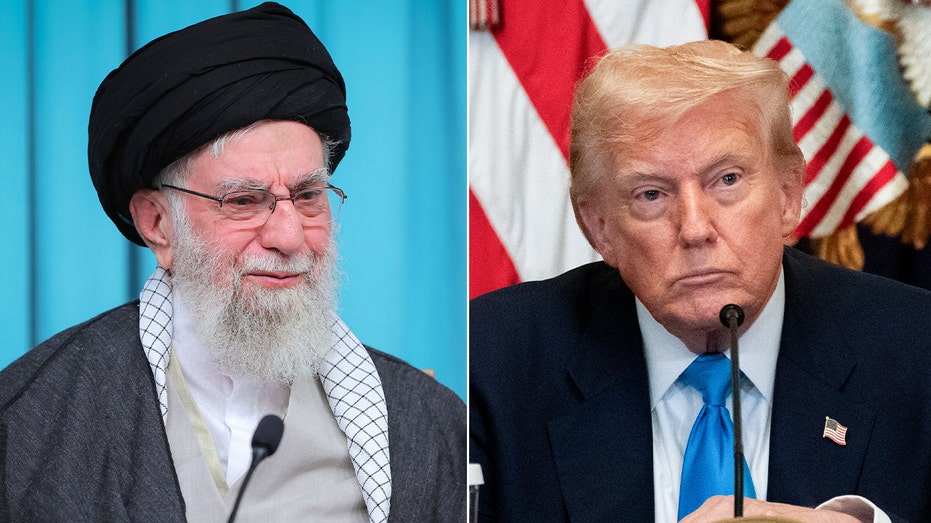
The violence has drawn international attention, particularly from the United States. President Donald Trump, who was inaugurated just a year prior, has warned of potential U.S. intervention if Iran continues its violent suppression of the protests. He stated that the U.S. is "locked and loaded" to act if Iranian authorities do not cease their aggressive response to demonstrators. This statement underscores the heightened tensions in the region, especially following the recent military conflicts involving Iran and Israel.
Analysts suggest that Trump's rhetoric could lead to increased scrutiny of U.S. options regarding Iran, particularly in light of the potential for further escalation. The U.S. administration is reportedly weighing its choices carefully to avoid military intervention while supporting the rights of Iranian citizens to protest peacefully.
Background Context
The current unrest follows a series of protests in Iran over the past few years, which have largely been fueled by economic hardship, government corruption, and social restrictions. The Iranian government has a history of cracking down on dissent, utilizing force against demonstrators to maintain control. However, the recent support from the Foreign Ministry for the protests could signal a shift in strategy or a response to mounting pressure from the public.
The situation in Iran occurs against the backdrop of ongoing regional tensions, particularly related to the conflict between Israel and Iran, which escalated dramatically in 2023 and 2024. The two nations have been involved in a series of military exchanges, raising concerns about stability in the Middle East.
Conclusion
As protests continue to unfold across Iran, the government's response and the international community's reaction will be critical in shaping the future political landscape of the country. With internal divisions apparent and external pressures mounting, the coming days may prove pivotal for both the Iranian people and the broader geopolitical situation in the region. The world watches closely as the events in Iran develop, with hopes for a resolution that respects the rights and aspirations of its citizens.