
Indore Grapples with Deadly Diarrhoea Outbreak Linked to Contaminated Water Supply
Indore, Madhya Pradesh – The Madhya Pradesh government has disbursed ₹2 lakh each in compensation to the families of 18 individuals who died amid a severe diarrhoea outbreak in Indore, triggered by contaminated water in the Bhagirathpura area. While a government panel has directly linked six of these deaths to the toxic water supply, authorities extended aid to all affected families as a humanitarian gesture, following directives from Chief Minister Mohan Yadav.
The outbreak, which began around January 1, 2026, has overwhelmed local health facilities, with over 200 people hospitalized due to symptoms of severe diarrhoea and related illnesses. The crisis in Bhagirathpura, a densely populated locality in Indore, highlights ongoing challenges in urban water management despite the city's reputation for sanitation excellence.
Government Response and Compensation Details
In a swift administrative move, the state government announced and distributed the ex-gratia payments to prioritize the grieving families' immediate needs. This action aligns with Chief Minister Yadav's instructions for comprehensive support, including free medical treatment for all those impacted by the outbreak. Officials emphasized a "sensitive approach," providing compensation irrespective of the panel's preliminary findings on causation to avoid further distress during the crisis.
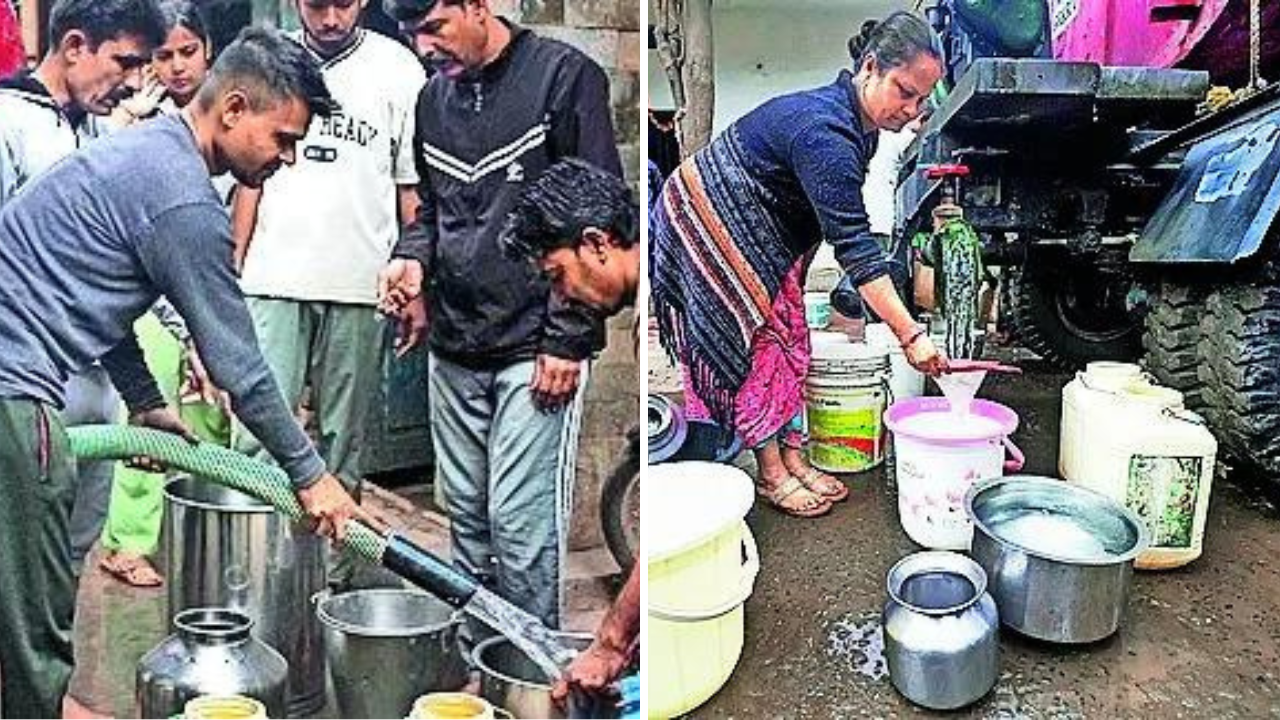
The government-appointed panel's investigation confirmed contamination in the local water supply as the primary cause for at least six fatalities. Water samples from affected areas tested positive for pathogens commonly associated with faecal contamination, such as E. coli, underscoring lapses in treatment and distribution infrastructure. Health officials have since chlorinated water sources, distributed safe drinking water via tankers, and launched door-to-door awareness campaigns on hygiene practices.
Local administration has ramped up surveillance, with teams from the Indore Municipal Corporation and the state health department monitoring cases. Hospitals in the region, including the Maharaja Yeshwantrao Hospital, have been placed on high alert, with dedicated wards for diarrhoea patients.
Broader Context of Waterborne Diseases in India
India has long battled waterborne diseases, which account for a significant portion of public health burdens. According to the World Health Organization (WHO), diarrhoea remains one of the leading causes of mortality among children under five in the country, with over 1.5 million cases reported annually in urban pockets alone. Contaminated water supplies, often due to leaking pipelines, inadequate chlorination, and sewage ingress, exacerbate these risks.
Indore's predicament is particularly stark given its national acclaim. The city has clinched the top spot in the Swachh Survekshan rankings—India's annual cleanliness survey—for seven consecutive years as of 2025, earning praise for waste management and public toilets. However, this outbreak exposes vulnerabilities in water quality control, even in model municipalities. Similar incidents have plagued other cities; for instance, a 2023 cholera outbreak in Delhi's slums sickened hundreds, while Mumbai faced typhoid spikes in 2024 linked to monsoon flooding.
Experts attribute such events to rapid urbanization straining aging infrastructure. In Madhya Pradesh, the state public health engineering department has faced criticism for delayed maintenance, with reports from the Comptroller and Auditor General (CAG) in 2024 flagging deficiencies in 40% of urban water schemes.
Community Impact and Ongoing Investigations
Residents of Bhagirathpura report a sudden surge in illnesses starting early January, with families queuing for medical aid amid fears of further spread. "We lost our loved ones overnight; the water we trusted turned deadly," one local told reporters, reflecting the community's shock. The outbreak's severity—classified as high by health monitors—has prompted school closures in the area and advisories against consuming tap water.
The death toll discrepancy, with 18 families compensated but only six officially tied to contamination, has sparked questions. Authorities clarify that the broader figure includes deaths during the outbreak period, potentially involving comorbidities, while investigations continue. Forensic and epidemiological probes are underway to ascertain exact linkages and prevent recurrence.
Outlook and Preventive Measures
Chief Minister Yadav has ordered a high-level inquiry into the contamination source, promising strict action against negligent officials. The state has allocated additional funds for water quality testing labs and pipeline upgrades in Indore. Nationally, the Jal Jeevan Mission—aiming for tap water to every household by 2024—faces scrutiny, with only 60% coverage achieved as of late 2025.
Health experts urge sustained vigilance, including regular water audits and community reporting mechanisms. As Indore recovers, this episode serves as a cautionary tale for India's urban centers: sanitation laurels must extend to invisible threats like water purity.
The situation remains fluid, with case numbers stabilizing but under close watch. Officials report no new deaths in the past 48 hours as of January 7, 2026, signaling potential containment.
(Word count: 612)