
Indonesia Targets 6% Economic Growth by 2026 Amid Job Market Pressures and Spending Slowdown
Jakarta, Indonesia – Indonesia, Southeast Asia's largest economy, has set an ambitious target of at least 6% annual economic growth for 2026, even as it grapples with a looming "jobs time bomb" and weakening household spending. Finance Minister Purbaya Yudhi Sadewa emphasized that the goal is achievable through enhanced policy coordination and bolstered domestic momentum.
The announcement comes as Indonesia reflects on a year of steady, if unspectacular, performance. In 2025, the economy expanded at a measured pace despite headwinds from global uncertainties, including geopolitical tensions, fluctuating commodity prices, and tighter fiscal policies at home. Official data from previous years provides context: Indonesia's gross domestic product (GDP) grew by around 5% in 2024, buoyed by strong exports in nickel and other minerals, robust infrastructure spending under the previous administration, and resilient domestic consumption. However, growth has hovered below the 6-7% range that policymakers have long aspired to, constrained by structural issues like youth unemployment and inflation pressures.
Finance Minister Sadewa, speaking on the target, insisted it remains within reach. "The target is attainable through improved policy coordination and stronger [domestic drivers]," he stated, according to reports. This optimism hinges on accelerating investments in key sectors such as manufacturing, digital economy, and green energy transitions, while addressing vulnerabilities in the labor market.
The Jobs 'Time Bomb' and Household Spending Woes
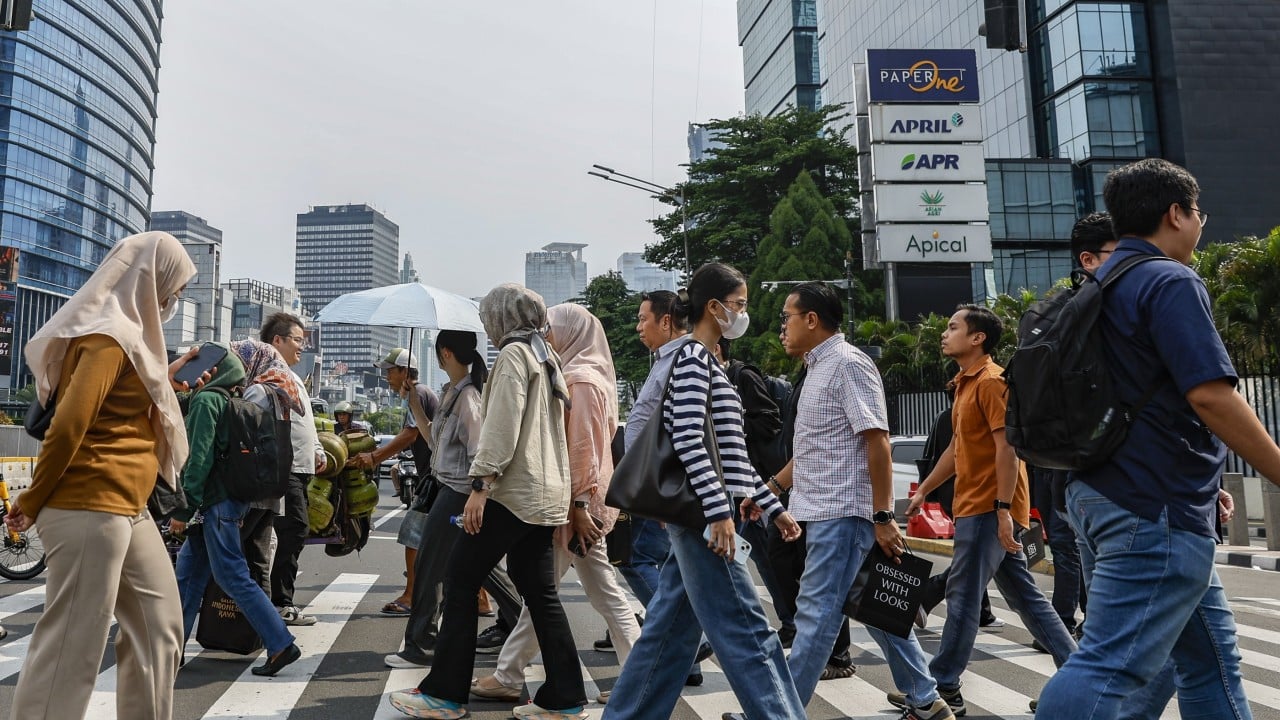
A major challenge underscoring the 2026 ambition is the employment landscape. Indonesia faces what analysts describe as a "jobs time bomb," with millions of young workers entering the workforce annually amid slowing job creation. The country has one of the world's largest youth populations, with over 70 million people aged 15-34, but unemployment rates among this demographic have lingered around 13-14% in recent years, per International Labour Organization data. The COVID-19 pandemic exacerbated mismatches between skills and available jobs, and post-recovery growth has not kept pace with labor force expansion.
Compounding this is a slowdown in household spending, which accounts for more than half of Indonesia's GDP. Inflation, though moderating to around 2-3% in 2025, has squeezed middle- and low-income families, while subsidy reforms and a stronger rupiah have curbed purchasing power. Retail sales and consumer confidence indices dipped in late 2025, signaling caution among households amid rising living costs and global economic slowdowns affecting remittances and tourism.
Despite these headwinds, Jakarta's strategy draws on recent fiscal maneuvers. The 2025 budget prioritized deficit reduction to below 2.5% of GDP, freeing up space for targeted stimulus. Under President Prabowo Subianto, who assumed office in October 2024, the government has pledged continuity with predecessor Joko Widodo's infrastructure push— including high-speed rail and new capital Nusantara—while introducing free meals programs for schoolchildren to boost nutrition and local agriculture.
Broader Economic Context and Policy Levers
Indonesia's economy, valued at over $1.4 trillion in nominal terms as of 2025, remains a bright spot in the region. It benefited from a commodity supercycle earlier in the decade, with nickel exports surging due to global electric vehicle demand. Membership in regional trade pacts like RCEP and CPTPP has opened new markets, while downstreaming policies—mandating local processing of raw materials—aim to capture higher value chains.
Yet, achieving 6% growth will require navigating external risks. The U.S. Federal Reserve's interest rate trajectory, China's economic slowdown (a key trading partner), and potential escalations in the South China Sea could pressure exports. Domestically, the rupiah's volatility and banking sector stability are watchpoints.
To hit the target, officials are banking on several pillars:
- Investment Surge: Attracting $100 billion-plus in foreign direct investment annually through incentives in semiconductors, renewables, and downstream industries.
- Labor Reforms: Vocational training programs and job-matching initiatives to absorb 2 million new entrants yearly.
- Consumption Boost: Targeted subsidies and wage hikes in the public sector to revive spending.
Economists note that past growth accelerations, like the 6.2% recorded in 2018, were fueled by similar combinations of public spending and private investment. Bank Indonesia projects baseline growth of 4.8-5.6% for 2026 without major shocks, leaving room for upside if policies align.
Outlook: Steady Path or Sprint Required?
As Indonesia eyes 2026, the government's marathon-like approach from 2025—prioritizing stability—shifts toward a sprint. Success will depend on execution amid election cycles, climate risks like El Niño droughts affecting agriculture, and global trade frictions.
Finance Minister Sadewa's confidence reflects a broader narrative of resilience. With a young demographic dividend and strategic reforms, Indonesia positions itself as an emerging powerhouse. However, failure to defuse the jobs crisis could erode social cohesion and consumer confidence, potentially derailing the trajectory.
Stakeholders will monitor upcoming budget announcements and mid-2026 indicators closely. For now, the 6% pledge underscores Jakarta's determination to reclaim pre-pandemic momentum in a challenging global arena.
(Word count: 712)