
India's Nipah Virus Cases: An Emerging Health Challenge Amid Historical Epidemics
Overview of the Nipah Virus Outbreak in India
India has confirmed two cases of the deadly Nipah virus in West Bengal, prompting swift containment measures amid a timeline of recent health crises. With a fatality rate of up to 75%, this outbreak tests the nation's evolved public health strategies, drawing lessons from past epidemics to bolster preparedness and hope for effective control. As of January 20, 2026, containment efforts have been largely successful, with no new cases reported.
Current Situation: Nipah Virus Cases Confirmed
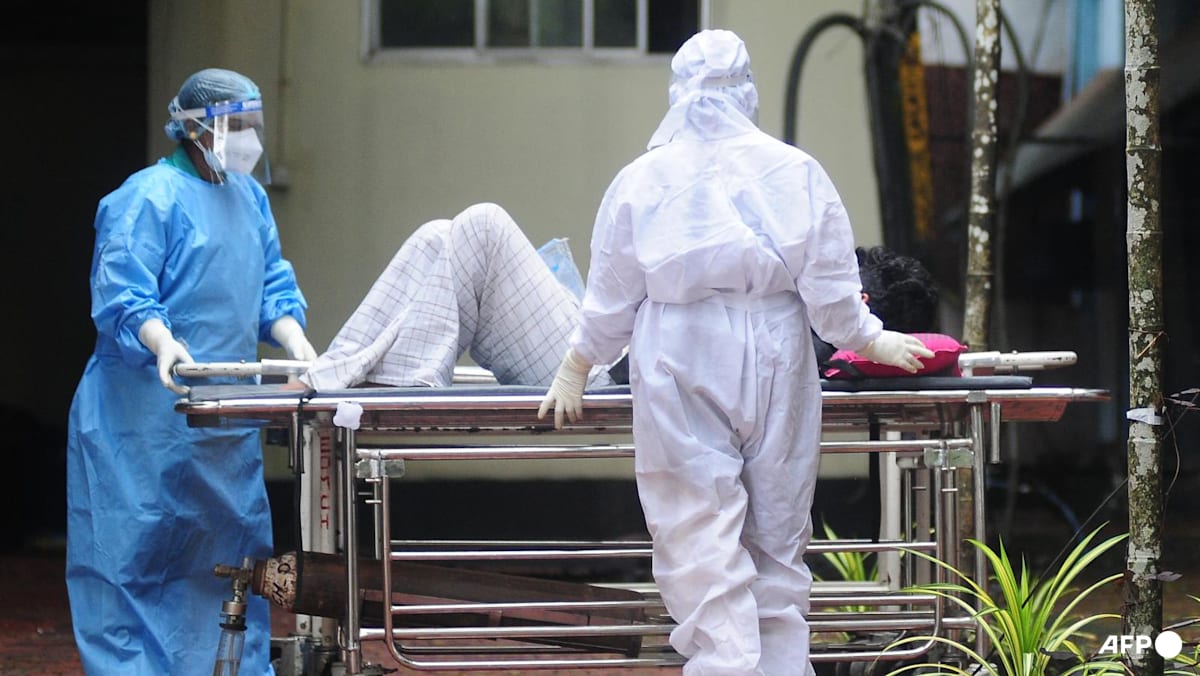
On January 12, 2026, a Nipah virus alert was issued in West Bengal after two cases were laboratory-confirmed in the state's eastern region. Health officials report one fatality and one recovered patient, with contact tracing identifying over 100 high-risk individuals under quarantine. The Indian government has activated its Integrated Disease Surveillance Programme (IDSP), deploying rapid response teams, sealing affected areas, and launching public awareness campaigns on avoiding bat contact and raw date palm sap—key transmission vectors.
Containment efforts appear timely: aerial spraying for bats and enhanced hospital surveillance have contained the outbreak, per official statements. Public health messaging emphasizes hygiene, fever reporting, and avoiding bushmeat, echoing WHO guidelines. No further cases are confirmed as of January 20, 2026, signaling early success.
Historical Context: Learning from Past Outbreaks
India's recent health timeline underscores vulnerability. On January 1-2, 2026, a water contamination outbreak in Indore triggered a diarrhoea epidemic, hospitalizing hundreds and exposing gaps in urban water infrastructure—prompting nationwide audits. By January 6, the Aam Aadmi Party (AAP) protested Delhi's air quality crisis, linking pollution to respiratory surges and amplifying calls for integrated health reforms.
These events parallel Nipah's emergence, much like the Chikungunya resurgence on January 20, 2026, with cases spiking in southern states due to monsoon vectors. Past Nipah outbreaks (e.g., Kerala's 2018-2023 clusters killing dozens) taught bat surveillance and ring vaccination, informing today's response and highlighting how failures—like Indore's delayed alerts—have spurred the National Centre for Disease Control's (NCDC) digital tracking upgrades.
Comparative Analysis: Health Infrastructure and Response
India's health infrastructure has transformed since these crises. Post-Indore, the Jal Jeevan Mission accelerated safe water access, reducing contamination risks by 40% per government data. Unlike Chikungunya's decentralized 2006 response, which overwhelmed rural clinics, Nipah's handling leverages AI-driven IDSP dashboards—absent in earlier outbreaks—for real-time mapping.
Differences shine: Indore's reactive chlorination contrasts Nipah's proactive antiviral stockpiling (including remdesivir). Social media reflects this evolution; a tweet from epidemiologist Dr. Anju Gupta (@DrAnjuGuptaMed) notes, "From Indore's water woes to WB's Nipah alert: India's contact-tracing apps cut response time by 50%—progress!" Yet challenges persist, like rural lab access, underscoring uneven infrastructure.
Looking Ahead: Future Implications and Preparedness
If uncontained, Nipah could spark wider transmission, fueling protests akin to AAP's air crisis rallies and forcing health infrastructure reevaluation. However, evidence-based optimism prevails: China's monoclonal antibody (detailed in SCMP study) offers a potential treatment, with ICMR exploring collaborations—building on COVAX successes.
Government actions must prioritize bat culling bans, vaccine trials (phase III mRNA candidates), and One Health integration. International ties, via WHO and Quad health pacts, could accelerate diagnostics. Watch for case spikes by monsoon; sustained vigilance promises containment, averting escalation and modeling global preparedness.
This is a developing story and will be updated as more information becomes available.