India Surpasses Japan to Become World's Fourth-Largest Economy Amid Global Uncertainties

Latest from X
India Surpasses Japan to Become World's Fourth-Largest Economy Amid Global Uncertainties
India has officially overtaken Japan to claim the position of the world's fourth-largest economy, marking a significant milestone in its rapid economic ascent. This development, based on recent data and projections, underscores the country's growing influence on the global stage, though it comes amid challenges such as currency volatility and geopolitical tensions.
In a development confirmed by international economic indicators, India has emerged as the fourth-largest economy globally, surpassing Japan's GDP. This shift was highlighted in reports from early this week, with official data expected to be finalized later in 2026. The transition reflects India's sustained growth trajectory, driven by robust domestic demand, technological advancements, and policy reforms over the past decade. According to posts on X from verified news sources, India's economy is now valued at approximately USD 4 trillion, positioning it behind only the United States, China, and Germany. This ranking is based on assessments from organizations like the International Monetary Fund (IMF), which have tracked India's GDP expansion amid global economic fluctuations.
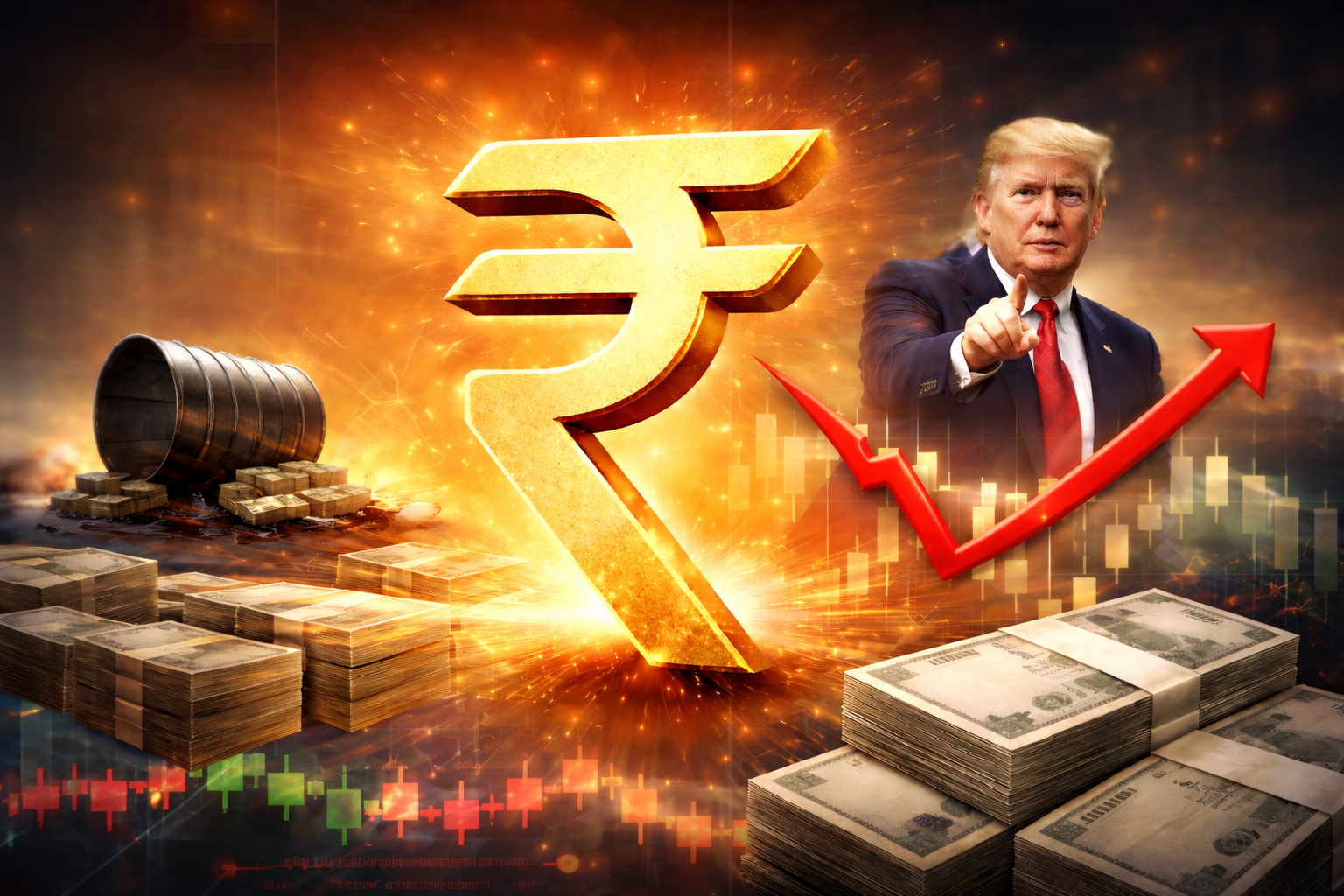
The milestone was reportedly acknowledged by Indian government officials, with references to data from the NITI Aayog, the government's policy think tank. India aims to build on this achievement, with aspirations to surpass Germany and secure the third spot within the next few years, pending the release of comprehensive GDP figures. This growth story is not without its complexities, however. Analysts have pointed to external factors, such as geopolitical instability, that could influence India's economic stability. For instance, the Indian rupee has faced significant pressure in recent days, slipping against the US dollar due to events like the crisis in Venezuela and potential policy shifts under international leaders. Bankers and experts anticipate the rupee could weaken further to around Rs 90.50-91 per dollar, prompting possible interventions by the Reserve Bank of India to stabilize the currency.
In the broader context, India's economic rise has been fueled by a combination of factors, including demographic dividends, digital infrastructure investments, and manufacturing sector reforms. Over the past five years, the country has seen consistent GDP growth rates averaging above 6-7%, outpacing many developed economies. This progress builds on earlier achievements, such as India overtaking the United Kingdom and France to become the fifth-largest economy in 2020, as noted in economic analyses. Posts on X from verified accounts have echoed this narrative, emphasizing India's expanding role in global trade and its potential to drive innovation in sectors like technology and renewable energy.
However, the current economic landscape is not entirely optimistic. The rupee's volatility, as detailed in recent reports, highlights vulnerabilities tied to global events. The ongoing crisis in Venezuela, characterized by political unrest and oil market disruptions, has contributed to broader currency fluctuations, affecting emerging markets like India. Additionally, uncertainties related to international trade policies, potentially influenced by figures like former US President Donald Trump, could exacerbate these challenges. Analysts from financial institutions have warned that such factors might lead to inflationary pressures and impact India's export competitiveness, though the Reserve Bank of India is expected to employ tools like foreign exchange reserves to mitigate risks.
Political discourse in India has also touched on this economic shift, with government representatives defending the country's progress amid criticisms. For example, responses to opposition figures have framed India's ranking as evidence of effective economic policies, while stressing the need for continued reforms. This sentiment, drawn from discussions on social media platforms, reflects a mix of national pride and cautious optimism about future growth.
Looking ahead, India's economic trajectory holds promise but requires navigating a complex global environment. With final GDP data set to be released in 2026, experts anticipate that sustained investments in infrastructure and education could propel the country further. However, addressing currency instability and external shocks will be crucial for maintaining momentum. As the world watches India's ascent, this development not only signifies a shift in global economic power but also highlights the interconnectedness of national and international factors in shaping economic outcomes.
This article draws on verified information from economic reports and social media posts to provide a balanced view, emphasizing the need for ongoing monitoring of these trends. (Word count: 612)
Track this story live
Live World Map
Monitor global events in real time with a live activity map and hotspot summaries.
Markets
Connect live events to Catalyst market signals across crypto, commodities, indices, and forex.
Stock Market Prediction
AI-powered stock market forecasts for S&P 500, Nasdaq, and Dow Jones with geopolitical analysis.
Recession Risk
Track recession risk indicators with AI-powered macro stress and market behavior analysis.
Original Sources
- •
Editorial process: This article was synthesized from the original sources cited above using The World Now's AI editorial system, with byline accountability from our editorial team. We grade every story for source grounding, factual coherence, and on-topic match before publication. Read more about our editorial standards and contributors. Spot something inaccurate? Let us know.
Last updated: January 18, 2026