
India Faces Rising Conflict Risks Amid Maoist Crackdown
As 2026 begins, India is grappling with multiple challenges related to internal security and ongoing tensions with Pakistan. A recent warning from a U.S. think tank highlights the potential for increased armed conflict between India and Pakistan due to rising terror activities, coinciding with significant developments in the Indian state's efforts to combat Maoist insurgency.
Rising Tensions and Threats
On December 31, 2025, a U.S. think tank issued a risk warning indicating that the threat of terrorism could escalate into an armed conflict between India and Pakistan in 2026. This assertion raises alarms as both nations have a long history of hostilities, particularly over the Kashmir region, which remains a flashpoint for violence and military engagements.
The report suggests that escalating terror activities, potentially fueled by militant groups operating across the border, could provoke a severe response from Indian security forces, thereby heightening the risk of conflict. The situation remains precarious, as recent developments indicate a resurgence of militant actions within India, which could further complicate the geopolitical landscape.
Crackdown on Maoist Insurgency
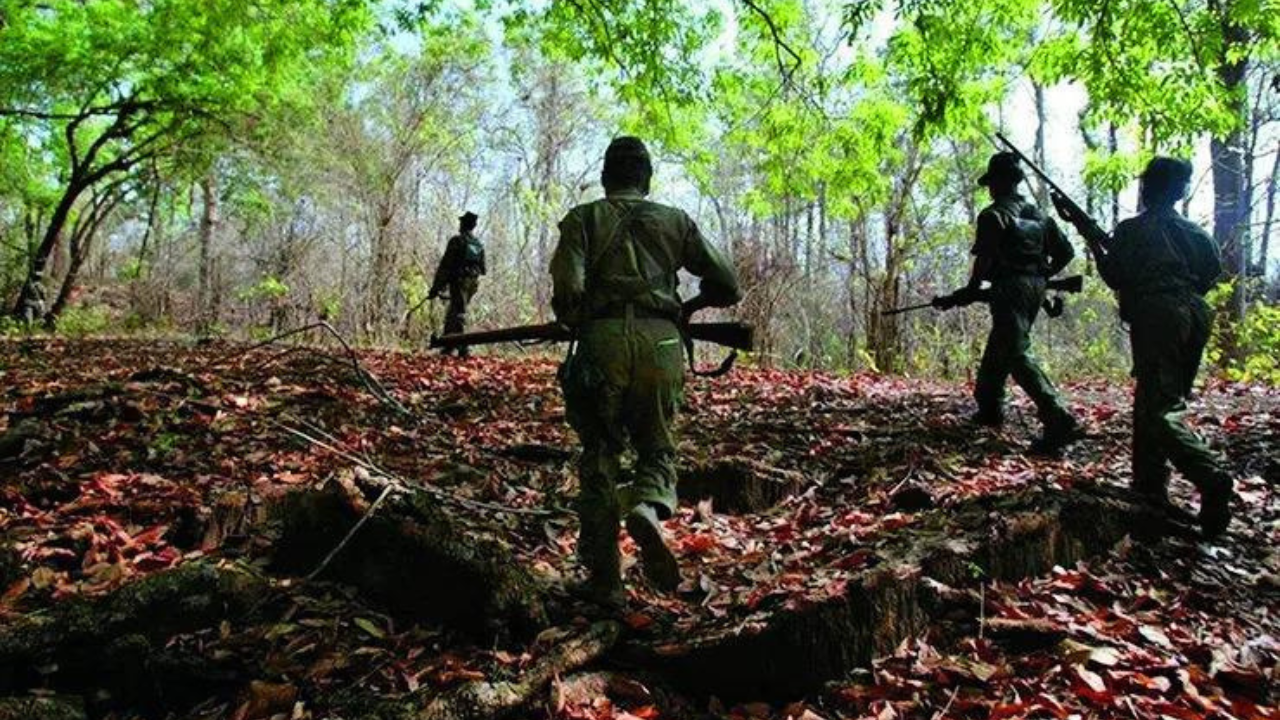
Concurrently, the Indian government has intensified its efforts to eliminate Maoist insurgents, particularly in the central region of Bastar, Chhattisgarh. Reports indicate that security forces have killed 518 Maoists in encounters over the past two years, with a notable operation resulting in the elimination of 14 rebels, including significant figures in the Maoist leadership, such as Sachin Mangtu.
These operations have been framed as a decisive step toward weakening the Maoist presence in the region, with officials asserting that the recent successes are a direct result of actionable intelligence on armed cadres. The recovery of a large cache of weapons during these encounters is also indicative of the ongoing efforts to dismantle these insurgent groups.
In a related development, the surrender of Barse Deva, a prominent Maoist leader and close associate of the notorious Madvi Hidma, marks a pivotal moment in the fight against Maoist insurgency. Deva's surrender, alongside 40 other rebels, signals a potential turning point in the long-standing conflict, with analysts suggesting it could indicate the nearing end of the Maoist era in Bastar. Deva's involvement in multiple deadly ambushes, including the infamous Jhiram Ghati attack, underscores the significance of this event.
Background and Context
The Maoist insurgency in India has roots dating back several decades, primarily focused on struggles over land rights and socio-economic inequalities. Despite various attempts at peace negotiations, armed conflicts have persisted, leading to extensive casualties on both sides. The Indian government has adopted a multifaceted approach to address not only the military aspect of this insurgency but also the underlying socio-economic issues that fuel such discontent.
Simultaneously, India-Pakistan relations remain fraught with tension, particularly as both nations continue to bolster their military capabilities. The Kashmir issue continues to be a major source of conflict, with both countries claiming the region in full but controlling only parts of it.
Conclusion
As India enters 2026, the dual challenges of rising internal conflict with Maoist insurgents and the heightened risk of confrontation with Pakistan present significant security concerns. The government's recent military successes against Maoists may provide some respite in the short term, but the potential for external conflict looms large. Policymakers will need to navigate these complex dynamics carefully to maintain stability and peace in a region beset by historical grievances and ongoing violence.






