
India Asserts Right to Self-Defense Amid Strategic Developments
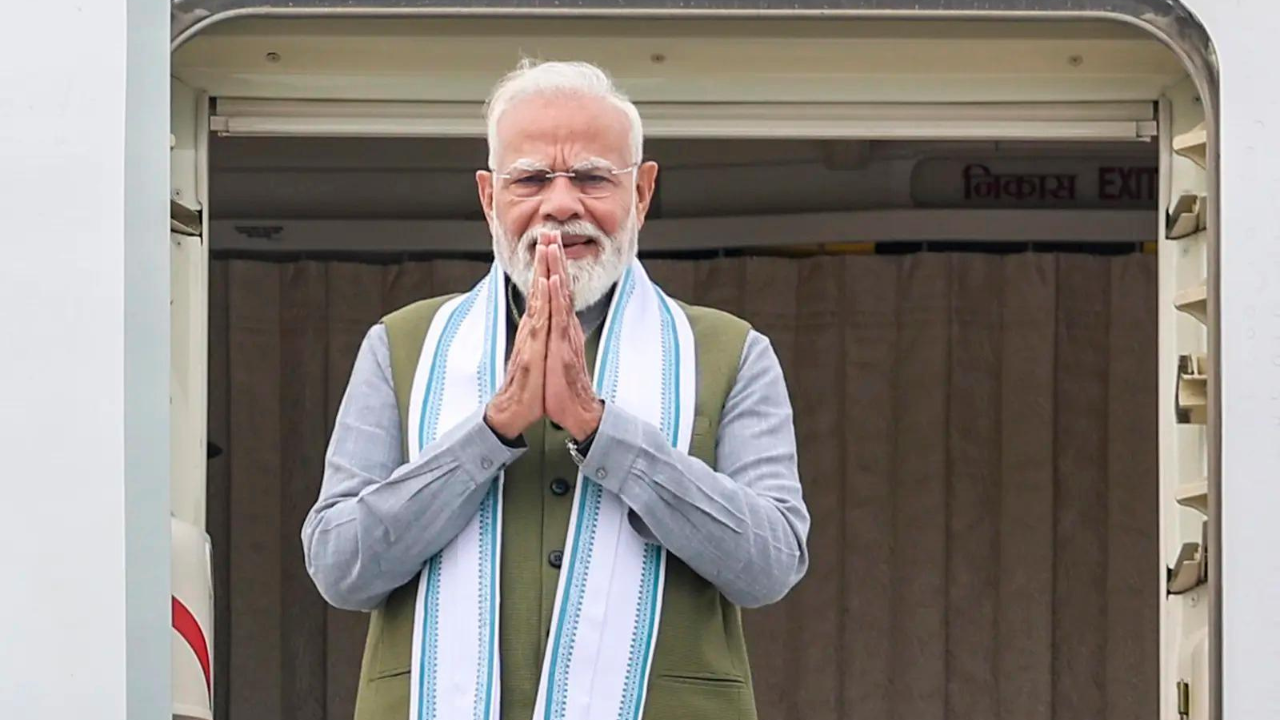
On January 2, 2026, Indian External Affairs Minister S. Jaishankar reaffirmed India's right to self-defense in the context of ongoing security challenges posed by neighboring Pakistan. His comments come as India continues to enhance its strategic capabilities in response to regional threats, particularly from terrorism.
In a statement delivered during a meeting with security officials, Jaishankar emphasized that India would not shy away from exercising its right to self-defense, especially in light of the persistent threat posed by terrorist organizations that seek to undermine the nation's stability. "India's strategic autonomy allows us to take necessary measures to safeguard our nation from terrorism," he asserted.
This assertion is particularly significant given the backdrop of strained relations between India and Pakistan, where tensions have been exacerbated by cross-border terrorism and military confrontations. Jaishankar's remarks underline India's commitment to addressing these challenges head-on, signaling a resolute stance in its defense policy.
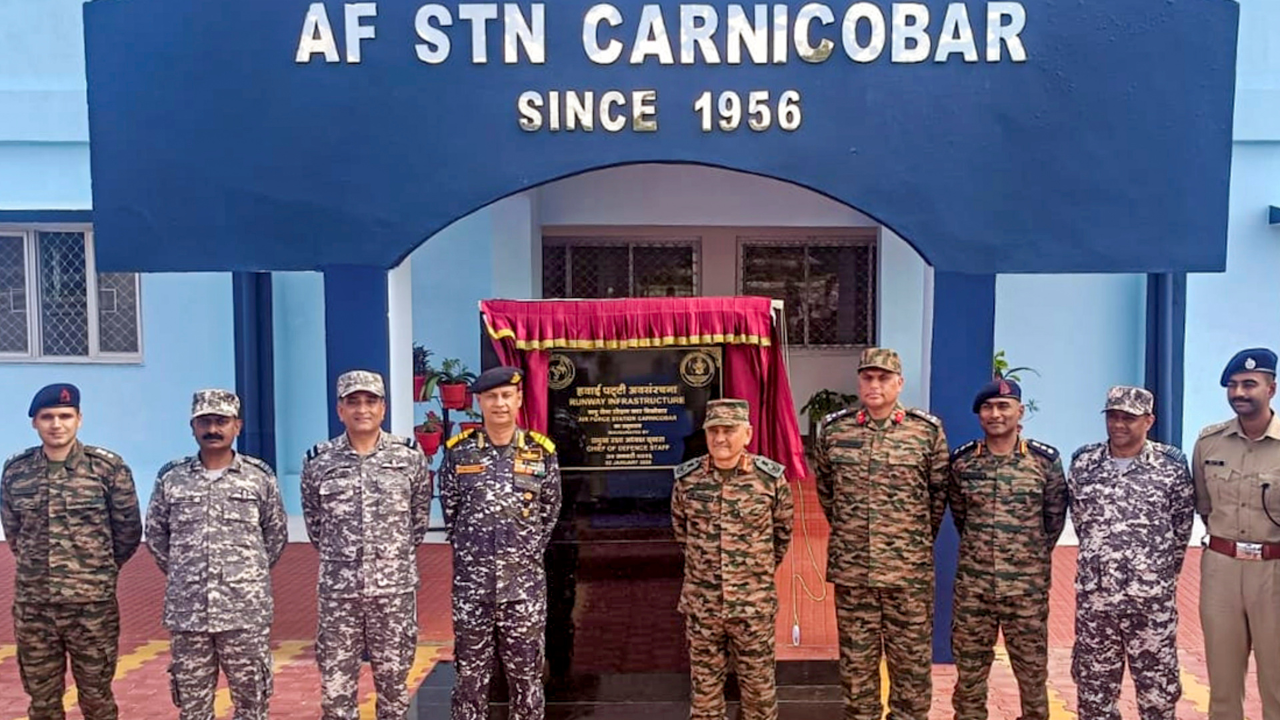
In conjunction with this development, the Indian military is also making strides to bolster its operational capabilities. On the same day, the Chief of Defence Staff (CDS) inaugurated an upgraded runway at the Indian Air Force (IAF) base in Car Nicobar, an island strategically located near the Malacca Strait. This infrastructure enhancement is aimed at improving India's strategic reach and operational readiness in the region.
The upgrade to the Car Nicobar airbase is expected to facilitate quicker deployment of air assets and improve surveillance capabilities in a critical maritime corridor. This move is part of a broader strategy to strengthen India's defense posture in response to various geopolitical challenges, including those from China and ongoing tensions in the South China Sea.
The Car Nicobar base is particularly significant due to its proximity to key shipping lanes, which are vital for global trade. The Indian government has been increasingly focused on enhancing its maritime security infrastructure to ensure the safety of these routes, which are often threatened by geopolitical rivalries.
In summary, Jaishankar's emphasis on India's right to self-defense, coupled with the strategic upgrades at the Car Nicobar airbase, reflects a dual approach aimed at both reinforcing national security and asserting India's position in regional geopolitics. As India navigates these complex challenges, its commitment to sovereignty and self-defense remains a cornerstone of its foreign policy.
The developments on January 2, 2026, highlight India's proactive measures to address security threats while enhancing its strategic capabilities, indicating a period of heightened military readiness and diplomatic assertiveness in the face of evolving regional dynamics.