India Ascends to Fourth-Largest Economy, Eyes Further Growth Amid Global Trade Challenges

Latest from X
India Ascends to Fourth-Largest Economy, Eyes Further Growth Amid Global Trade Challenges
In a historic milestone, India has surpassed Japan to become the world's fourth-largest economy in nominal GDP terms, with a reported GDP of $4.18 trillion as of late 2025. Announced on December 30, 2025, by government sources in New Delhi, this achievement marks a significant step in India's economic ascent, fueled by robust growth, a young workforce, and strong domestic demand. As the nation celebrates this feat, its leaders are already setting their sights on overtaking Germany to claim the third spot by 2026, while navigating complex global trade dynamics, including punitive tariffs from the United States.
According to data highlighted by The Times of India, India's economy is experiencing a 'Goldilocks' phase—characterized by high growth and low inflation. Real GDP growth reached an impressive 8.2 percent, outpacing many global peers. This momentum has been attributed to sustained policy reforms, increased infrastructure investment, and a burgeoning consumer market. "This is a defining moment for India," a government spokesperson noted, emphasizing the country's rapid economic transformation.
The Economic Times reports that India's rise past Japan is not merely a statistical victory but a reflection of structural strengths. A young and dynamic workforce, coupled with rising domestic consumption, has positioned India as a global economic powerhouse. However, the next target—surpassing Germany—presents unique challenges. Analysts suggest that maintaining current growth rates, enhancing manufacturing capabilities under initiatives like 'Make in India,' and deepening trade ties will be critical to achieving this goal by 2026.
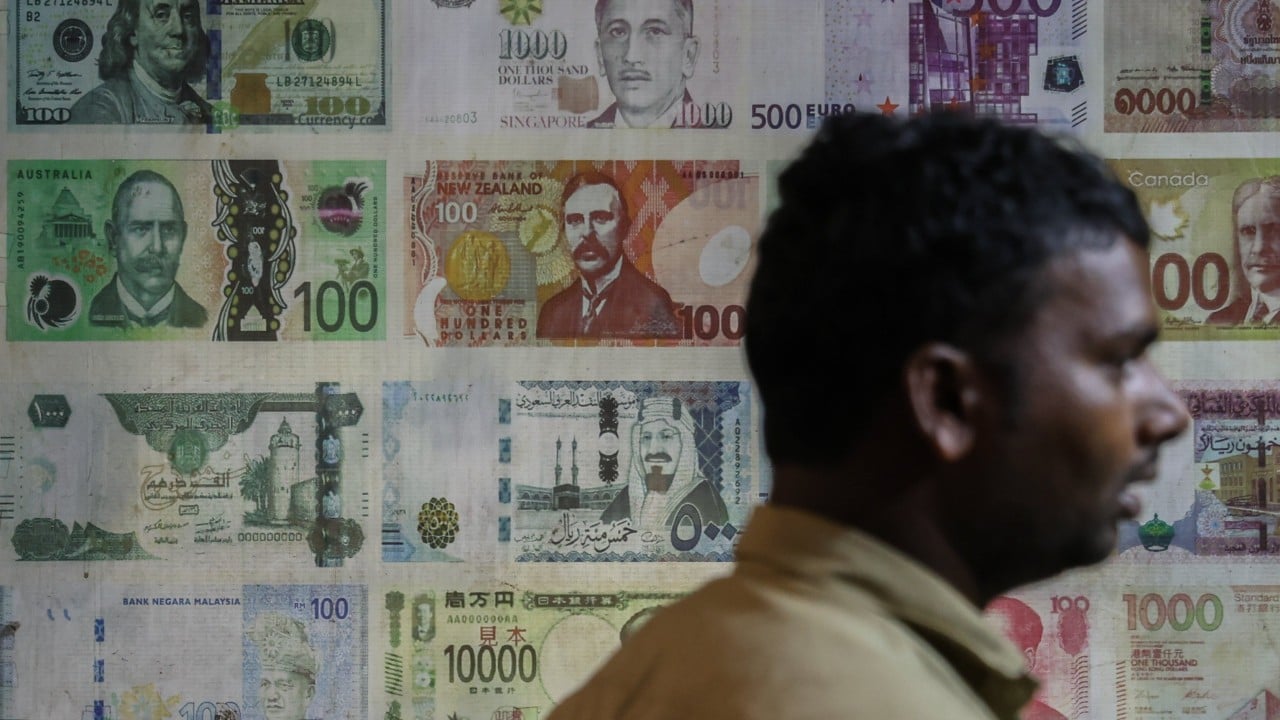
Amidst this economic triumph, India faces headwinds on the international trade front. As reported by the South China Morning Post, the United States, under President Donald Trump, imposed a steep 50 percent tariff on Indian imports in 2025, one of the highest levies faced by any nation. In response, New Delhi has adopted a strategy of diversification, seeking to reduce reliance on the U.S. market. A notable example is the free-trade agreement with New Zealand, finalized in a record nine months by the end of 2025. This agreement signals India's intent to 'spread its bets' and explore new export destinations. "We are not deterred by external challenges," a senior trade official was quoted as saying. "Our focus is on building resilient and diverse trade partnerships."
Background: India's Economic Journey
India's journey to becoming the fourth-largest economy has been decades in the making. Since economic liberalization in the early 1990s, the country has transitioned from an agrarian-based economy to a services and manufacturing hub. Over the past decade, government policies have emphasized digital innovation, infrastructure development, and foreign investment. Programs like Digital India and the Production Linked Incentive (PLI) scheme have attracted global companies to set up operations in India, boosting economic output. Additionally, India's demographic dividend—a large, youthful population—continues to drive consumption and productivity, setting it apart from aging economies like Japan.
Despite these strengths, challenges remain. Income inequality, regional disparities, and the need for job creation for millions entering the workforce annually are persistent issues. Moreover, global economic uncertainties, including trade tensions and geopolitical risks, could impact India's growth trajectory if not managed adeptly.
Outlook: Aiming for the Top Three
Looking ahead, India's ambition to overtake Germany by 2026 appears within reach, provided it sustains its current economic momentum. Government projections, as cited in multiple reports, indicate that India could achieve this milestone sooner than expected if global trade conditions stabilize. However, the punitive U.S. tariffs and potential retaliatory measures pose risks to export-driven sectors. India's proactive approach to forging new trade alliances, as seen with New Zealand, may help mitigate these challenges.
On social media platforms like X, the sentiment around India's economic rise is overwhelmingly positive. Posts from verified accounts have celebrated this achievement, with many users congratulating the government and expressing optimism about India reaching the third spot in the global economic rankings by 2027. These reactions underscore the national pride and global attention surrounding India's economic progress.
As final GDP data for 2025 is awaited in 2026, the world watches closely to see if India can maintain its upward trajectory. With a blend of domestic resilience and strategic international engagement, India is not just redefining its economic stature but also its role on the global stage.
Track this story live
Live World Map
Monitor global events in real time with a live activity map and hotspot summaries.
Markets
Connect live events to Catalyst market signals across crypto, commodities, indices, and forex.
Stock Market Prediction
AI-powered stock market forecasts for S&P 500, Nasdaq, and Dow Jones with geopolitical analysis.
Recession Risk
Track recession risk indicators with AI-powered macro stress and market behavior analysis.
Original Sources
- •Defining moment: India overtakes Japan to become world's fourth largest economy— The Times of India
- •India is past Japan. What will it need to overtake Germany?— The Economic Times
- •India ‘spreads its bets’ to beat Trump’s 50% tariff as exports rise— South China Morning Post
Editorial process: This article was synthesized from the original sources cited above using The World Now's AI editorial system, with byline accountability from our editorial team. We grade every story for source grounding, factual coherence, and on-topic match before publication. Read more about our editorial standards and contributors. Spot something inaccurate? Let us know.
Last updated: January 17, 2026