
Increased Russian Spy Activity Prompts Norwegian Defense Forces to Heighten Readiness
Recent developments along Norway's northern border with Russia have raised concerns regarding national security, as Norwegian defense forces have reported a surge in Russian spy activity. This uptick has been particularly linked to the presence of Russian fishing vessels suspected of harboring intelligence operatives.
On January 2, 2026, the Norwegian defense ministry announced that it would increase its military presence along the border in response to these activities. The move reflects heightened vigilance as the government seeks to safeguard its territorial integrity amid ongoing geopolitical tensions in the region.
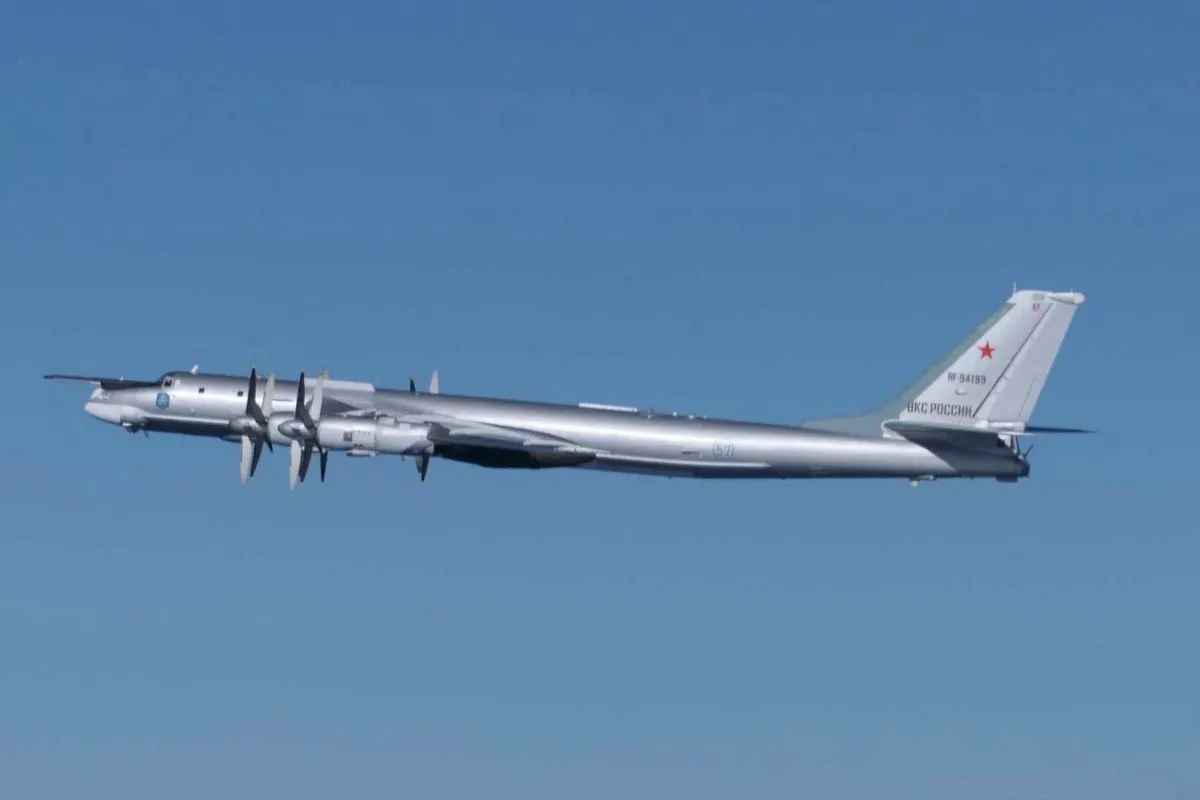
This announcement comes on the heels of a scheduled flight conducted by Russian nuclear-capable bombers over the Norwegian and Barents Seas on December 25, 2025. The Russian Defense Ministry described the flight as routine, but it prompted the deployment of fighter jets from other nations to escort the bombers during their passage. The incident has further underscored the complex dynamics of military operations in this strategic area, which is frequently navigated by both Russian and NATO forces.
Norwegian officials have expressed concerns that the increase in Russian vessels, particularly fishing boats, may serve as a cover for espionage activities. The suspicion is that these vessels could be conducting surveillance operations under the guise of legitimate fishing activities. This development aligns with broader trends of intensified Russian military maneuvers in the Arctic and surrounding waters, raising alarms about potential threats to Scandinavian security.
In light of these developments, Norway's Chief of Defense has emphasized the importance of maintaining a robust defensive posture. "Our military presence at the border is not just a precaution; it is a necessary response to protect our sovereignty and ensure the safety of our citizens," he stated during a recent press briefing. He also noted that the military would remain vigilant and adaptive, monitoring the situation closely to assess any further escalation.
Background on Geopolitical Tensions in the Region
The Arctic region has become a focal point for global powers, with increasing competition over resources and strategic routes. Russia has invested heavily in its military presence in the Arctic, conducting numerous exercises and deploying advanced weaponry, which has raised concerns among neighboring countries, including Norway.
The ongoing Russia-Ukraine war, which has been active since February 2022, has further complicated the security landscape in Europe. The war has led to a recalibration of military strategies across the continent, with many nations reassessing their defense postures in light of perceived threats from Russia. Norway, as a NATO member, is particularly attuned to these developments, given its proximity to Russia and the strategic importance of the Barents Sea.
Norway has historically maintained a policy of transparency and cooperation with Russia in various sectors, including fisheries and environmental protection. However, the recent increase in espionage activities has strained these relations, compelling Norwegian authorities to adopt a more proactive stance.
Conclusion
As Norway responds to the growing threat of Russian espionage, the situation remains fluid. The increase in military readiness along the border is a clear indication of the nation's intent to safeguard its sovereignty and respond effectively to any potential threats. As geopolitical tensions continue to evolve, Norway’s approach to its defense strategy will be closely monitored by both allies and adversaries alike, particularly in light of the changing dynamics in the Arctic region.






