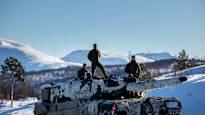

Increased Russian Spy Activity Prompts Norway to Strengthen Border Defense
Norway's defense forces are ramping up their presence along the border with Russia in response to a notable increase in Russian espionage activities, particularly involving fishing vessels. This development comes as concerns grow over national security amid heightened geopolitical tensions.
Starting January 2, 2026, Norwegian military officials have reported an uptick in the number of Russian spies operating in the region, with many detected using fishing boats arriving from Russia. According to Colonel Ole K. S. Sæther, commander of the Finnmark Brigade, the situation demands a proactive response to safeguard Norway's territorial integrity and security.
The Norwegian defense forces are enhancing their operational readiness and increasing patrols along the border. The military's response reflects an understanding that these vessels may serve as cover for espionage activities, signaling a shift in the strategic landscape of the region. "We need to be vigilant and prepared for any potential threats emanating from across the border," Sæther stated in an interview with Yle News.
The increase in Russian spy activity is not an isolated incident but rather part of a broader trend observed in recent years. Norway, sharing a 198-kilometer border with Russia, has been closely monitoring activities that could jeopardize its national security. The recent escalation of tensions in Europe, particularly following Russia's ongoing military actions in Ukraine, has intensified Norway's focus on safeguarding its borders.
Historically, the relationship between Norway and Russia has been characterized by a complicated mix of cooperation and rivalry. While the two nations share economic ties, particularly in energy and fishing, security concerns have grown following Russia's annexation of Crimea in 2014 and its continued military presence in the Arctic region.
As Norway bolsters its military presence, it does so within the context of broader NATO commitments. The Norwegian government has consistently emphasized the importance of collective defense, especially in light of increased Russian military maneuvers. Norway is a member of NATO and has participated in various joint military exercises to enhance its readiness against potential threats.
In the wake of these developments, local fishermen in the region have expressed mixed feelings. While some appreciate the enhanced security measures, others are concerned about the implications for their livelihoods, fearing that increased military presence may lead to more stringent regulations on fishing activities near the border.
The Norwegian government is expected to continue monitoring the situation closely and may adjust its strategies as needed. As geopolitical tensions persist, particularly in Eastern Europe, Norway's proactive approach to security will likely remain a focal point for both domestic and international observers.
In conclusion, the recent increase in Russian spy activity along Norway's border has prompted a decisive response from Norwegian defense forces, reflecting the complexities of regional security dynamics. With ongoing geopolitical challenges, Norway's vigilance will be crucial in addressing potential threats while balancing the concerns of its local communities.






