
ICE Officer Kills Woman in Minneapolis Traffic Stop, Sparking Protests and Backlash Against Federal Immigration Policies
Minneapolis, Minnesota – A U.S. Immigration and Customs Enforcement (ICE) officer fatally shot a woman during a routine traffic stop in Minneapolis on Wednesday evening, igniting immediate protests and sharp condemnation from local leaders who decried the incident as part of a broader, destabilizing federal immigration crackdown.
The shooting occurred late on January 7, 2026, in the heart of Minneapolis, a city long sensitive to issues of law enforcement accountability following high-profile police violence cases in recent years. According to reports, the ICE officer approached the woman's vehicle during what was described as a standard traffic stop. Details on the sequence of events remain limited as investigations are underway, but the officer opened fire, killing the driver at the scene. ICE has not yet released the officer's name, the victim's identity, or official statements on the justification for the use of lethal force.
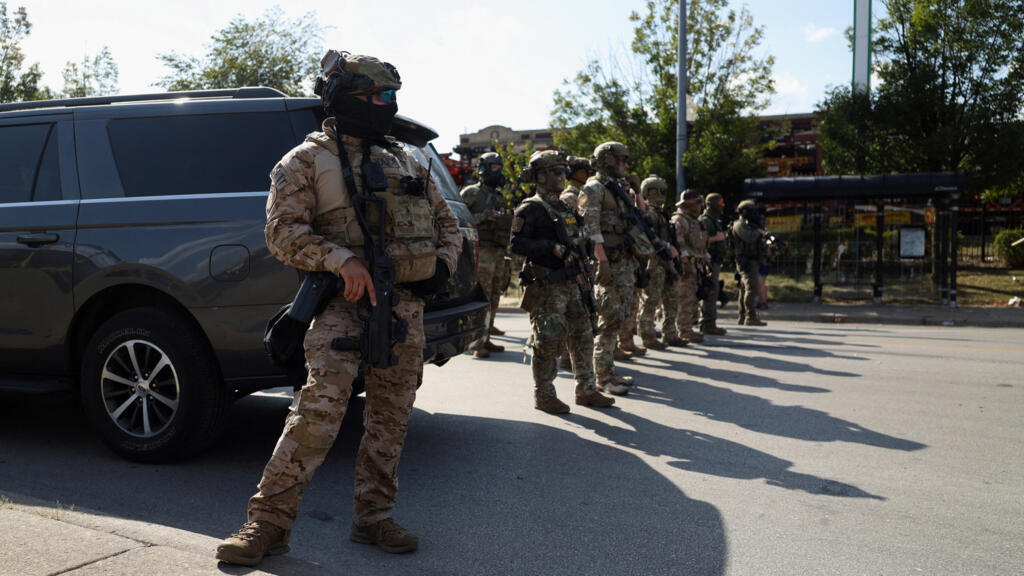
The incident quickly escalated into civil unrest, with demonstrators gathering near the shooting site to protest not only the killing but also what they view as aggressive federal immigration enforcement tactics. Protesters chanted slogans criticizing ICE operations and carried signs decrying the agency's role in communities. Clashes with law enforcement were reported, though no arrests or injuries from the protests have been confirmed in initial accounts. The severity of the unrest has been rated as medium, reflecting localized demonstrations rather than widespread violence.
City and state officials responded swiftly with outrage, framing the shooting within the context of an intensified national immigration crackdown. Minneapolis Mayor Jacob Frey issued a statement calling the event "a tragic escalation of federal overreach that endangers Minnesotans." Minnesota Governor Tim Walz echoed these sentiments, labeling the federal policies "reckless and destabilizing," and urged an independent investigation. "This is not enforcement; this is provocation," Walz said, according to local reports. Democratic leaders in the state have long opposed expanded ICE presence, citing concerns over racial profiling and community trust.
Background on ICE Operations and Tensions in Minneapolis
U.S. Immigration and Customs Enforcement, a component of the Department of Homeland Security, is tasked with enforcing federal immigration laws, including deportations, border security, and interior enforcement. Under recent administrations, ICE has ramped up operations targeting undocumented immigrants, including workplace raids and traffic interdictions. In Minnesota, a state with a significant immigrant population from Somalia, Mexico, and Latin America, these efforts have frequently clashed with local "sanctuary" policies. Minneapolis, in particular, declared itself a sanctuary city in 2016, limiting cooperation with federal immigration authorities.
This shooting revives painful memories in Minneapolis, site of the 2020 killing of George Floyd by a local police officer, which sparked global Black Lives Matter protests and led to the disbandment of the city's police department's traditional structure in favor of a new public safety model. While ICE is a federal agency distinct from local police, the incident underscores ongoing debates over federal-local tensions in policing immigrant communities. Critics argue that ICE traffic stops, often used to identify undocumented individuals, heighten risks of escalation, especially in diverse urban areas.
Federal officials have defended the crackdown as necessary to address border security and public safety threats. ICE Acting Director Patrick J. Lyons previously stated in congressional testimony that interior enforcement prioritizes "public safety threats," though specifics on this case remain pending. The agency has faced scrutiny for use-of-force incidents, with a 2023 Government Accountability Office report noting 14 fatalities in ICE custody or encounters between 2017 and 2022.
Investigations and Broader Implications
The Federal Bureau of Investigation (FBI) and ICE's Office of Professional Responsibility have launched probes into the shooting, standard protocol for officer-involved deaths. The Hennepin County Medical Examiner's Office is expected to release autopsy results soon, which could provide clarity on the cause of death and any contributing factors.
Protests continued into Thursday morning, with community groups like the Minnesota Immigrant Rights Action Committee organizing rallies. National immigration advocacy organizations, including the ACLU, have called for a moratorium on ICE traffic stops nationwide pending a review of training protocols.
As the story develops, the incident highlights deepening national divides over immigration policy. With midterm elections approaching and immigration remaining a flashpoint issue, this event in Minneapolis could fuel further political rhetoric. Local leaders have demanded accountability, while federal responses will likely shape the trajectory of both the protests and enforcement strategies moving forward.
The World Now will continue to monitor this developing story and provide updates as new information emerges from official sources.
(Word count: 612)