
Hong Kong Health Authorities Tackle Dual Threats: Flu Vaccination Push and Baby Formula Recall
Hong Kong, January 7, 2026 – As the city braces for a potential winter surge in respiratory illnesses, health officials are ramping up calls for flu vaccinations amid persistently low inoculation rates, while pharmacies have swiftly removed batches of Nestlé infant milk formula from shelves due to a precautionary recall over possible toxin contamination.
Hong Kong's Centre for Health Protection (CHP) issued urgent appeals starting January 3 for residents to get vaccinated against influenza, highlighting concerns over an anticipated "winter virus wave." This push comes as vaccination coverage remains below target levels, a recurring issue in the densely populated city prone to seasonal outbreaks. Concurrently, on January 7, local food safety authorities confirmed that Nestlé Hong Kong had initiated a voluntary recall of specific infant formula batches after detecting potential traces of a toxin linked to nausea and vomiting symptoms.
The flu vaccination drive underscores ongoing public health challenges in Hong Kong, where influenza typically peaks during the cooler months from January to March. Authorities noted that while COVID-19 measures have waned, flu remains a significant threat, particularly to vulnerable groups such as the elderly, young children, and those with chronic conditions. "We urge the public, especially high-risk groups, to get vaccinated as soon as possible to protect themselves and the community," a CHP spokesperson stated in public advisories. Vaccination rates in Hong Kong have historically lagged behind global benchmarks; for instance, in the 2024-2025 season, coverage among eligible seniors hovered around 40-50%, far short of the 70% threshold recommended by the World Health Organization (WHO) for herd immunity against flu.
This year's campaign is amplified by lessons from past seasons, including the severe 2018 flu epidemic that overwhelmed hospitals and contributed to over 800 deaths. Post-pandemic, Hong Kong has maintained robust surveillance through its influenza-like illness sentinel system, which has detected early rises in cases this winter. Free vaccinations are available for children under 6, seniors over 65, and pregnant women via government programs, with private clinics offering shots for others at subsidized rates. Health Secretary Lo Chung-mau emphasized in recent briefings the importance of layered defenses, including masks in crowded areas and hygiene practices, amid circulating strains like H3N2, which has shown moderate severity globally this season.
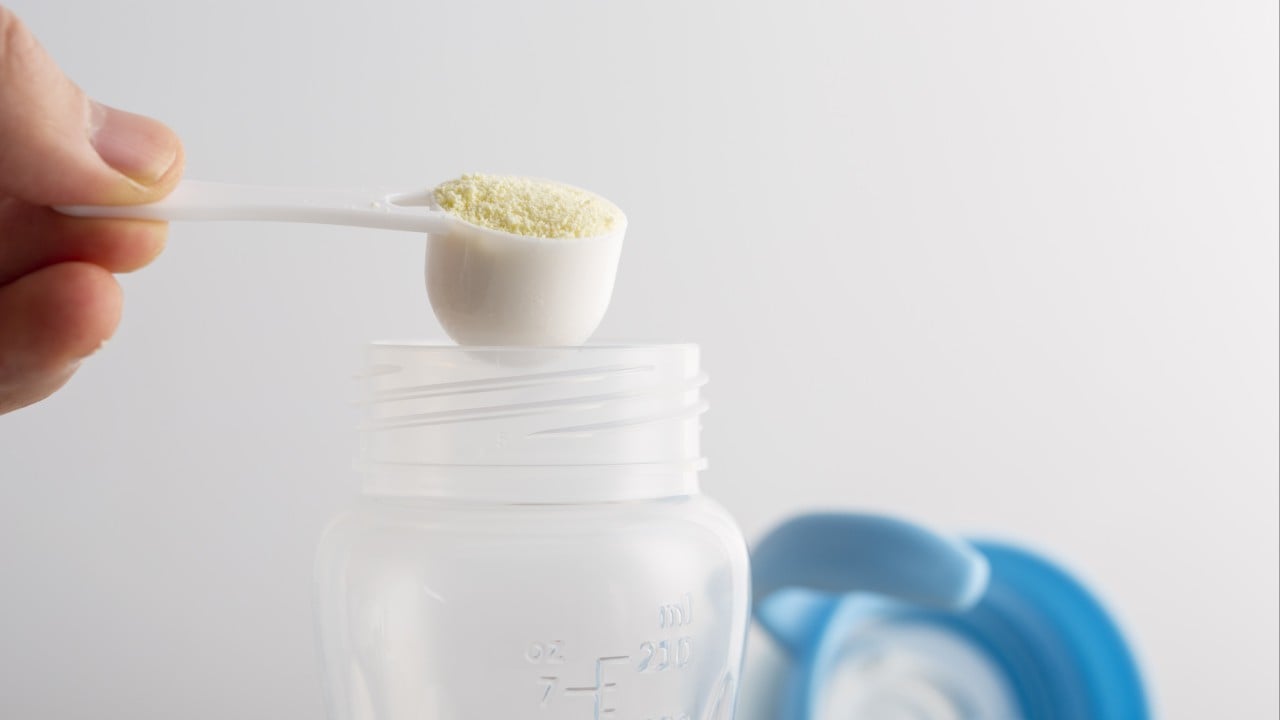
In parallel, the Nestlé recall has introduced immediate consumer safety concerns for parents. Hong Kong pharmacies began pulling affected batches of the infant formula on Tuesday, following Nestlé's proactive measure prompted by potential contamination with a toxin capable of causing nausea and vomiting. The company issued a public apology, stating, "Nestlé Hong Kong apologised to parents for any distress or inconvenience caused," and confirmed no reports of illness or discomfort linked to the products as of the announcement.
The Centre for Food Safety (CFS) under the Food and Environmental Hygiene Department verified the voluntary recall, advising consumers to return affected products for refunds or disposal. Specific batch numbers and product details were listed on Nestlé's Hong Kong website and government portals. This incident echoes broader global scrutiny on infant formula safety; Nestlé, a Swiss multinational, faced similar recalls in other markets last year due to bacterial contamination risks, though the current Hong Kong case involves a different toxin. The company reiterated its commitment to rigorous quality controls, including third-party testing.
Hong Kong's infant nutrition market relies heavily on imported formulas, with Nestlé holding a significant share. The recall affects a limited quantity, but it heightens parental anxiety in a city where breastfeeding rates remain low—around 25% exclusively at six months, per WHO data—and formula is a staple for many families. No adverse health events have been reported to date, and authorities are monitoring for any developments.
Background on Hong Kong's Health Landscape
Hong Kong's health system, ranked among Asia's best, has been tested by recurrent viral waves and food safety incidents. The 2003 SARS outbreak and multiple flu pandemics have ingrained a culture of vigilance, bolstered by advanced genomic surveillance. However, challenges persist: an aging population (over 20% aged 65+), high population density (7.5 million in 1,100 sq km), and subtropical climate facilitate pathogen spread. Low flu vaccination uptake is often attributed to vaccine hesitancy rooted in past misinformation and accessibility barriers in low-income areas.
Food recalls are handled efficiently via the CFS's Risk in Brief system, which mandates swift retailer action. Past scandals, like the 2008 melamine-tainted milk crisis from mainland China, have sharpened regulations on imports, requiring pre-market registration for infant formulas.
Outlook
Health officials anticipate the flu wave could strain hospitals if vaccination momentum doesn't build, with peak activity expected in late January. Community campaigns, including mobile clinics and school programs, aim to close the gap. On the formula front, Nestlé is investigating the contamination source, with refunds processed promptly. Parents are advised to check batch codes and consult pediatricians for alternatives.
As Hong Kong navigates these health fronts, public compliance will be key. The CHP continues to monitor both respiratory surveillance data and food complaint hotlines, urging vigilance without panic.
(Word count: 728)