
Hong Kong Health Authorities Ramp Up Flu Vaccinations Amid Baby Formula Recall
Hong Kong, January 7, 2026 – As winter approaches, Hong Kong health officials are intensifying calls for flu vaccinations due to fears of an incoming virus wave and persistently low immunization rates, while a separate public health alert has emerged with Nestlé Hong Kong's recall of 21 batches of baby milk formula over potential toxin contamination.
The dual health developments highlight ongoing vigilance in the densely populated city, where respiratory illnesses have historically posed significant threats. On January 3, authorities began urging residents to get vaccinated ahead of the seasonal peak, classifying the risk as medium severity. This push comes amid concerns that vaccination coverage remains below target levels, potentially exacerbating any outbreak.
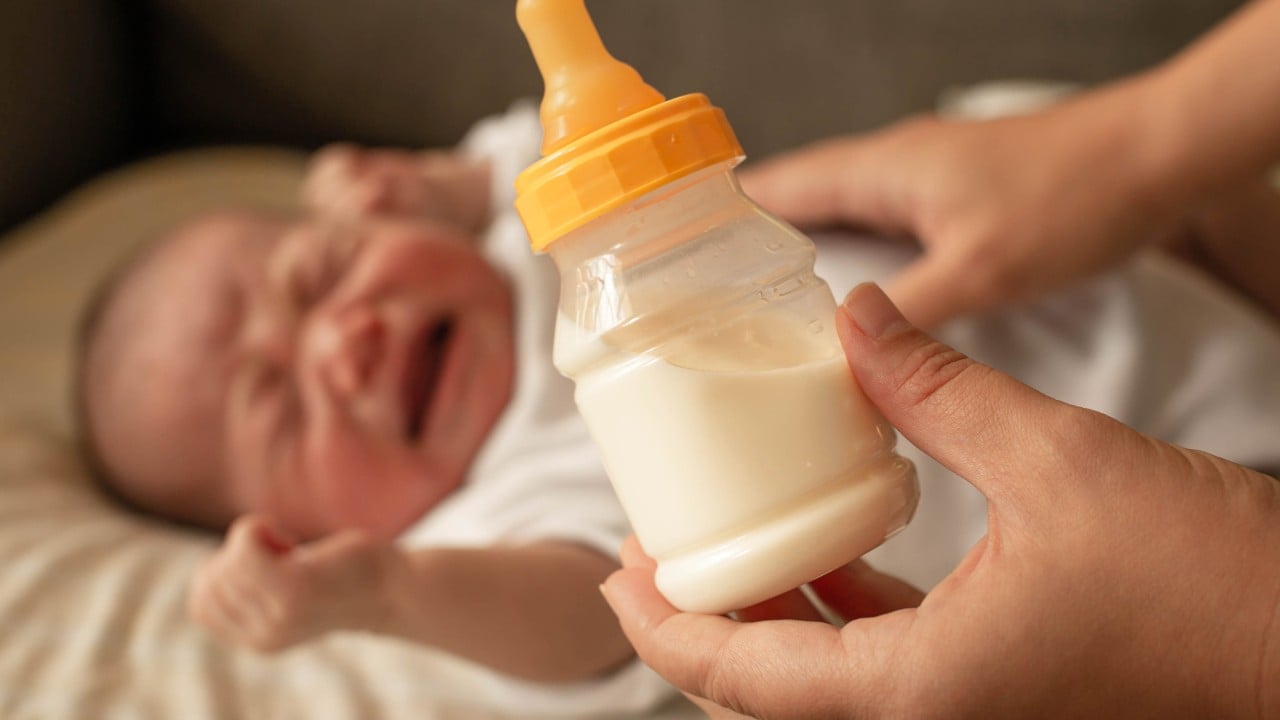
In a related but distinct incident, the Centre for Food Safety (CFS) announced on January 6 that Nestlé Hong Kong had initiated a voluntary recall of 21 specific batches of infant formula. The action follows a global precautionary measure triggered by potential contamination in raw materials sourced from Europe. Tests revealed the possible presence of substances derived from the microorganism Bacillus cereus, which can produce toxins leading to symptoms such as nausea and vomiting, particularly risky for infants.
The CFS statement emphasized that the recall was prompted by Nestlé's proactive response in Europe, with Hong Kong monitoring imports closely. "According to the latest information, the affected products have been recalled from shelves and distribution channels," the agency noted, urging parents not to consume the listed batches and to return them for refunds or disposal. No illnesses have been reported in Hong Kong linked to these products as of the announcement, but the move underscores the territory's stringent food safety protocols.
Health experts have linked the recall to broader supply chain vulnerabilities exposed in recent years. Bacillus cereus is a common soil bacterium that can contaminate dairy products if not properly controlled during manufacturing. While generally associated with improperly stored rice or pasta in adults, its toxins in infant formula represent a heightened concern due to babies' immature digestive systems. Nestlé has stated that the issue affects only specific batches, and the company is cooperating fully with regulators worldwide.
Parallel to the formula scare, the flu vaccination campaign addresses a perennial winter challenge in Hong Kong. The city typically sees a surge in influenza cases from December to March, driven by its subtropical climate, high population density, and international travel hub status. Historical data from the Department of Health shows that flu seasons have strained hospitals, with peaks sometimes overwhelming emergency services. Low vaccination rates—often hovering below 50% among eligible adults and children—have been attributed to vaccine hesitancy lingering from the COVID-19 era, despite free shots available for high-risk groups including the elderly, pregnant women, and young children.
Officials are promoting the campaign through public service announcements, subsidies, and outreach at clinics and community centers. "Getting vaccinated is the most effective way to protect yourself and others from severe flu complications," a Department of Health spokesperson said in recent advisories. Early data indicates a slight uptick in vaccinations since the January 3 alert, but sustained effort is needed to reach herd immunity thresholds.
Background on Hong Kong's Health Landscape
Hong Kong's health system has long grappled with infectious disease threats, from the 2003 SARS outbreak that claimed 299 lives to annual flu waves that hospitalize tens of thousands. Post-pandemic, the government has invested heavily in surveillance, including the Centre for Health Protection, which monitors respiratory pathogens in real-time. The current flu push aligns with global trends, as the World Health Organization reports circulating H3N2 and influenza B strains this season.
Food safety incidents, meanwhile, evoke memories of the 2008 melamine scandal in Chinese milk products, which sickened thousands and prompted tighter import controls. Hong Kong's CFS conducts rigorous testing on over 20,000 food samples annually, maintaining one of Asia's lowest rates of foodborne illnesses.
Outlook and Public Response
As of January 7, both issues appear contained, with no widespread outbreaks reported. Pharmacies and supermarkets have removed the recalled Nestlé batches, and vaccination clinics report steady attendance. However, authorities warn that complacency could amplify risks, especially with Lunar New Year travel looming in late January.
Parents are advised to check batch numbers on Nestlé's website or contact the hotline (2868 0000) for recall details, while all residents are encouraged to book flu shots via the eHealth app or government portals. These proactive measures reflect Hong Kong's commitment to public health resilience amid evolving global threats.
(Word count: 612)