
Hong Kong Grapples with Dual Health Alerts: Flu Vaccination Drive and Nestlé Baby Formula Recall
Hong Kong, January 8, 2026 – Health authorities in Hong Kong are intensifying efforts to combat seasonal illnesses while addressing a major food safety scare involving Nestlé baby milk formula, as residents face overlapping public health concerns entering the winter season.
In a proactive measure against an anticipated winter virus wave, Hong Kong health officials began urging residents on January 3 to get flu vaccinations, citing persistently low inoculation rates amid rising concerns over influenza and other respiratory viruses. This call comes as the city, known for its dense urban population and subtropical climate that fosters rapid virus spread, prepares for peak flu season. Simultaneously, a recall of 21 batches of Nestlé infant formula products has sparked widespread parental anxiety, with reports of children falling ill after consumption and demands for broader safety checks.
The flu vaccination campaign highlights ongoing challenges in public health compliance. Hong Kong's winter flu seasons typically peak from January to March, driven by factors such as international travel through its major airport and close-quarters living in high-rise apartments. Historical data from the Centre for Health Protection (CHP) under the Department of Health shows that influenza waves can lead to thousands of hospitalizations annually, particularly among the elderly, young children, and those with chronic conditions. Low vaccination rates—often below 50% in key groups despite free or subsidized shots for vulnerable populations—have prompted repeated government appeals. The latest push, rated as medium severity by health monitors, emphasizes early immunization to mitigate strain on hospitals, echoing similar drives in previous years that saw uptake improve only modestly.
"This winter's virus wave could be particularly challenging given current vaccination trends," health officials stated in public advisories starting late last week. Community outreach includes mobile clinics, school programs, and media campaigns targeting parents and the elderly. Experts note that while COVID-19 preparedness has bolstered surveillance systems, flu remains a dominant threat, with laboratory-confirmed cases already ticking upward in early 2026.
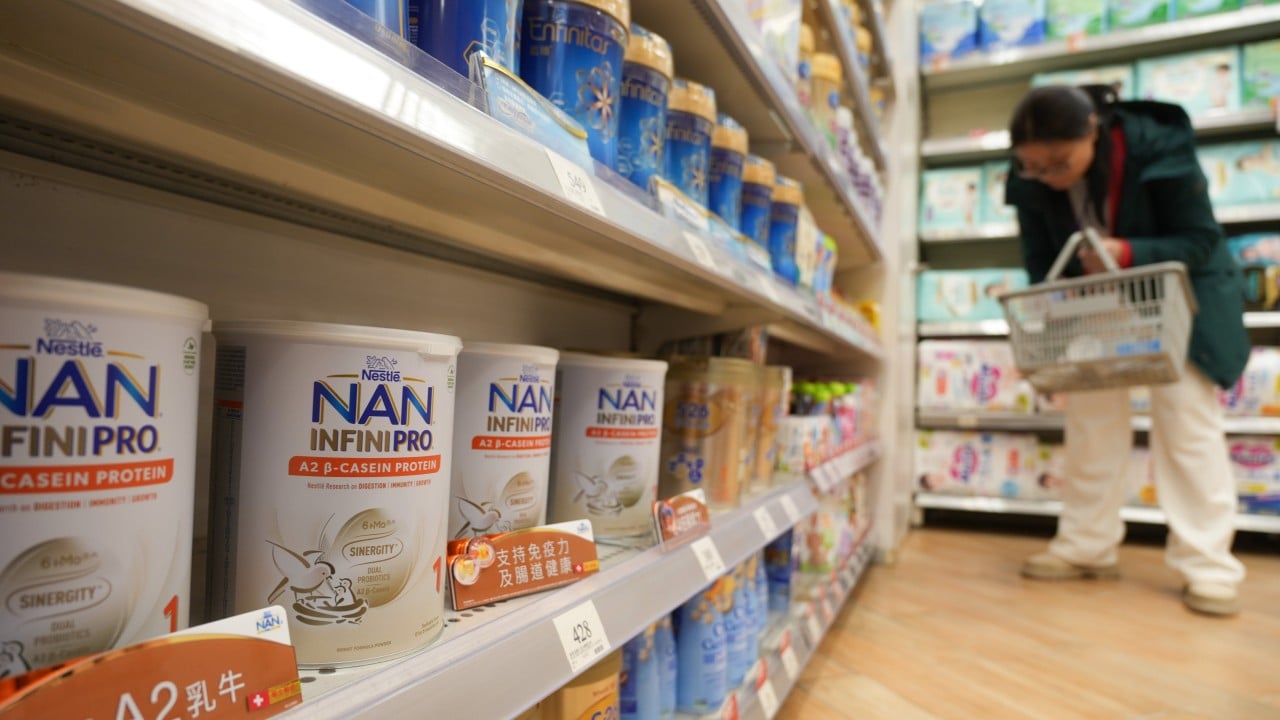
Compounding these respiratory worries is the Nestlé product recall, announced earlier this week, which has eroded consumer trust in one of the world's largest infant nutrition brands. The company voluntarily withdrew 21 batches of its NAN and other baby milk formulas from Hong Kong shelves due to potential contamination with a toxin capable of causing food poisoning. The affected products, popular among new parents for their convenience and nutritional claims, were distributed widely in supermarkets and pharmacies.
Parental backlash has been swift and vocal. On Thursday, January 8, numerous Hong Kong mothers and fathers shared their distress on social media and in interviews with local outlets. "We're really panicked," one parent told the South China Morning Post (SCMP), describing how their young child developed symptoms including vomiting and diarrhea after consuming the formula. Others reported similar illnesses in infants, though the exact number of cases remains unconfirmed pending CHP investigations.
The recall stems from routine quality checks that detected traces of the unidentified toxin, prompting Nestlé to act preemptively. The company issued statements assuring the public of its rigorous testing protocols and offering exchanges or refunds at points of purchase. However, skepticism persists. Affected parents have called on the Centre for Food Safety (CFS) to expand testing to other Nestlé batches and conduct independent audits. "We need assurances that all products are safe, not just the recalled ones," another parent remarked, reflecting broader fears in a city scarred by past scandals like the 2008 melamine-tainted milk crisis from mainland China suppliers, which sickened thousands globally.
Hong Kong's food safety framework, overseen by the CFS and Food and Environmental Hygiene Department, mandates swift recalls and traceability. As of January 8, no deaths have been linked to the incident, and the CHP has urged parents to monitor children for symptoms like fever, gastrointestinal distress, or dehydration, advising immediate medical consultation if needed. Nestlé Hong Kong has ramped up hotlines for queries, while retailers have removed suspect items.
Background on Hong Kong's Health Landscape
Hong Kong's health system has long balanced world-class medical infrastructure with vulnerabilities to infectious diseases and supply chain risks. Post-SARS (2003) and COVID-19 eras, the CHP enhanced real-time surveillance, including wastewater monitoring for flu and genomic sequencing. Yet, vaccination hesitancy lingers, influenced by past vaccine side-effect concerns and misinformation. On the food safety front, the city imports over 90% of its food, making it reliant on global giants like Nestlé. Stringent import controls have prevented major outbreaks recently, but incidents like this recall underscore the human stakes in infant nutrition.
Outlook
As investigations continue, health officials anticipate clearer data on both fronts within days. The CHP plans to release updated flu statistics soon, potentially escalating vaccination targets if cases surge. For the Nestlé issue, lab results on the toxin's source and scope could determine if further recalls or penalties follow. Parents are advised to consult pediatricians for alternative formulas and flu shots. In a city of 7.5 million, these events serve as reminders of the delicate interplay between seasonal threats and everyday essentials, urging collective vigilance.
(Word count: 712)