
Hong Kong Faces Health Challenges: Free Hepatitis B Screenings and Emerging 'Super Flu'
As Hong Kong grapples with rising health concerns, the government has announced significant initiatives to combat hepatitis B and the emergence of a new strain of influenza dubbed "super flu." These developments highlight ongoing public health efforts amid an increasingly complex health landscape.
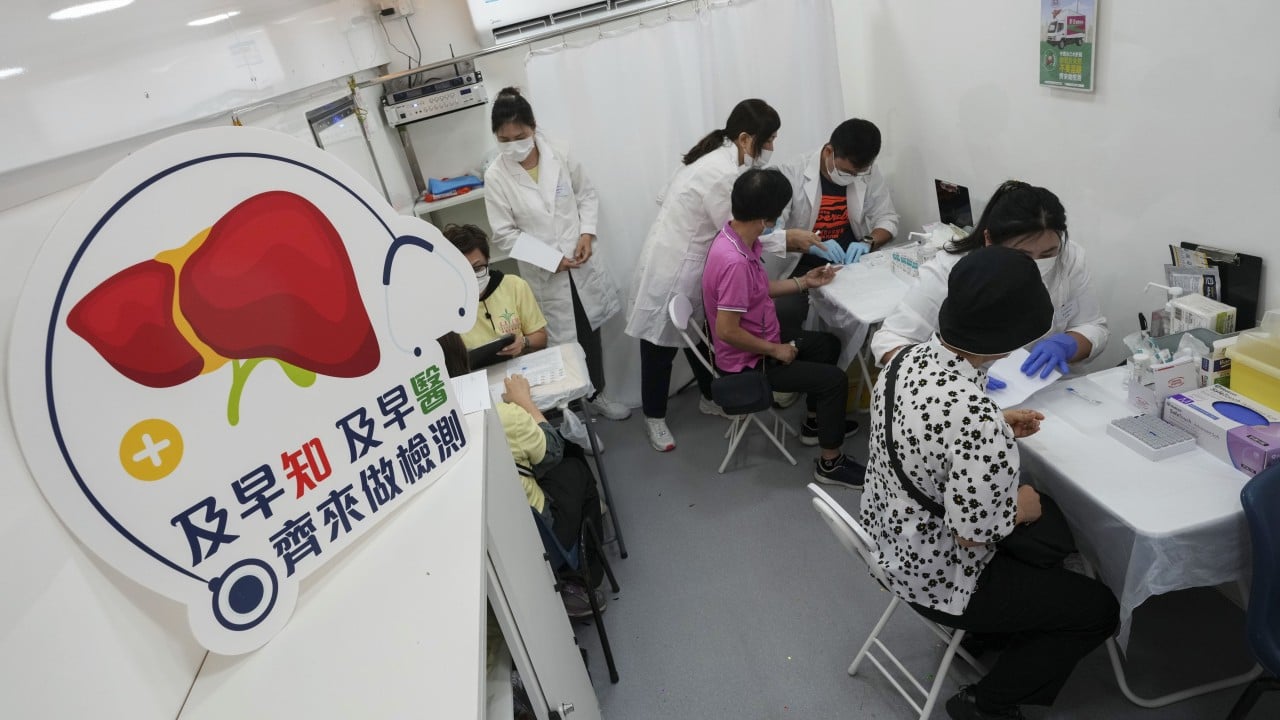
In a bid to eliminate hepatitis B as a public health threat by 2030, Hong Kong has launched a program offering free screenings to approximately 300,000 residents. The initiative, part of a broader viral hepatitis action plan, aims to address the critical need for early detection and intervention. Dr. Bonnie Wong Chun-kwan, a consultant involved in the program, emphasized that tackling hepatitis is essential for reducing the incidence of liver cancer, stating, "Fighting hepatitis means tackling liver cancer at its root" (South China Morning Post, December 30, 2025).
The hepatitis B screening program is expected to commence in early 2026 and will run alongside other efforts to combat viral hepatitis. This comprehensive approach reflects the city’s commitment to improving public health outcomes and aligns with international health goals.
Simultaneously, Hong Kong is facing the escalating threat of a "super flu," which has been spreading globally. Local health authorities have urged residents to get vaccinated as a recent study revealed alarming statistics: over 99% of Hong Kong residents lack the protective antibodies necessary to fend off the new strain. Researchers from the University of Hong Kong have raised concerns about the city's low immunity levels, underscoring the potential risks associated with the rapid spread of the virus (South China Morning Post, December 23, 2025).
The emergence of this strain coincides with the holiday season, when travel and gatherings typically increase the risk of virus transmission. Health officials have stressed the importance of vaccination to mitigate the impact of this flu strain, particularly as the local population prepares for increased social interactions during the festive period.
Authorities have also highlighted the effectiveness of existing vaccines against the new strain, providing reassurance that vaccination remains a viable strategy for protection. "These data serve as a clear alert for Hongkongers to take action now," said a researcher involved in the study (South China Morning Post, December 23, 2025).
The dual focus on hepatitis B and the super flu underscores the complexity of Hong Kong's health challenges. While the city has made strides in addressing viral infections, the low levels of immunity against the new flu strain serve as a stark reminder of the ongoing public health vulnerabilities.
As these initiatives take shape, residents are encouraged to participate actively in the screenings and vaccinations. Health officials continue to monitor the situation closely, adjusting strategies as necessary to safeguard public health.
In summary, Hong Kong's proactive measures against hepatitis B and the super flu reflect an urgent response to pressing health challenges. With free screenings set to roll out and vaccination campaigns underway, the city's health authorities aim to equip residents with the tools necessary to combat these significant health threats effectively.