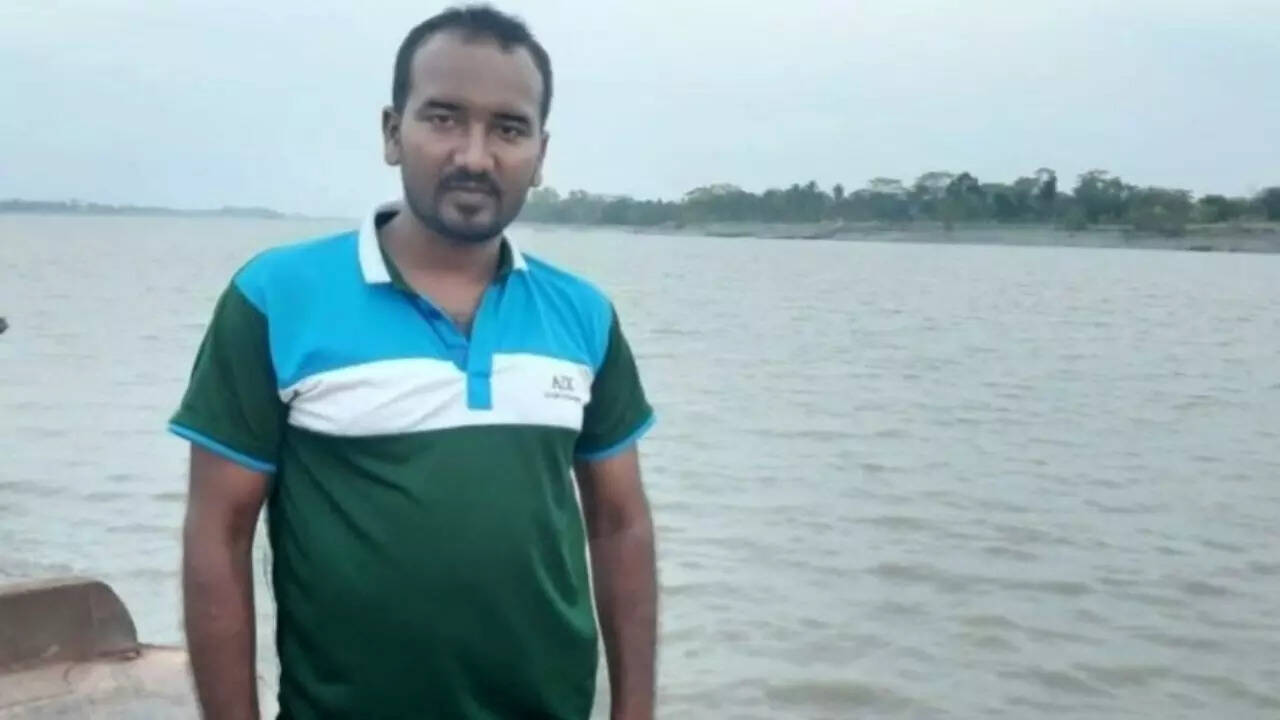

Hindu Scribe Shot in Head and Throat Slit in Bangladesh, Escalating Attacks on Minorities
Dhaka, Bangladesh – A 38-year-old Hindu scribe and newspaper editor was brutally attacked in western Bangladesh on January 5, 2026, suffering gunshot wounds to the head and a slit throat in what local reports describe as the latest incident in a series of assaults targeting minority communities amid the country's ongoing political crisis.
Rana Pratap Bairagi, a resident of Arua village in Keshabpur upazila of Jessore district in the Khulna Division, was the victim of the shocking violence. According to Bangla-language daily Prothom Alo, as cited in reports from The Times of India, Bairagi owned an ice-making factory at Kopaliya Bazar in the neighboring Monirampur area. He also served as the acting editor of Dainik BD Khabar, a newspaper published from Narail district. The attack occurred in a context of heightened insecurity for minorities, particularly Hindus, who make up about 8% of Bangladesh's 170 million population.
Details of the assault remain sparse, but the severity—described as high by event trackers—underscores the ferocity of the attack. Bairagi was shot in the head and had his throat slit, injuries that highlight the targeted nature of the violence. No group has claimed responsibility, and authorities have not yet released official statements on suspects or motives as of the latest updates. The incident fits into a broader pattern of attacks reported since the political upheaval that began in mid-2024.
Bangladesh has been grappling with instability since student-led protests in July and August 2024 forced the resignation of long-time Prime Minister Sheikh Hasina on August 5. Hasina, whose Awami League government had ruled for 15 years, fled to India amid allegations of authoritarianism and election rigging. An interim government led by Nobel laureate Muhammad Yunus took over, promising reforms and elections. However, the transition has been marred by reprisal violence, including attacks on Hasina's supporters, journalists, and religious minorities perceived as aligned with her regime.
Hindus, historically a vulnerable minority in Muslim-majority Bangladesh, have faced a surge in assaults. Reports from human rights organizations like Human Rights Watch and Amnesty International document dozens of incidents since August 2024, including temple vandalism, home burnings, and physical attacks in districts such as Dinajpur, Thakurgaon, and Sunamganj. In September 2024 alone, over 2,000 cases of violence against minorities were recorded, according to Bangladesh Hindu Buddhist Christian Unity Council data. The interim government has condemned the violence and deployed security forces, but critics argue enforcement has been inconsistent.
This latest attack on Bairagi, a prominent local figure as both a businessman and media professional, amplifies concerns. Journalists in Bangladesh already operate in a perilous environment; the country ranks 163rd out of 180 on the 2024 World Press Freedom Index by Reporters Without Borders, citing threats from political actors and extremists. Bairagi's dual role as scribe and editor may have made him a target, especially if his reporting touched on sensitive communal issues.
Background on the Bangladesh Crisis
The roots of the current unrest trace back to economic woes and youth disillusionment. Soaring inflation, unemployment, and quotas reserving government jobs for freedom fighters' descendants sparked the "July Revolution." Protests turned deadly, with over 300 killed in clashes. Post-Hasina, Islamist groups like Hefazat-e-Islam have gained influence, raising fears of radicalization. Verified incidents include the August 2024 attack on a Hindu monastery in Dinajpur and assaults on Hindu-owned businesses.
India, home to millions of Bangladeshi expatriates and a historical ally of Hasina, has expressed alarm. New Delhi has sheltered Hasina and urged protection for Hindus, while Bangladesh's Foreign Ministry has dismissed claims of systemic persecution as exaggerated. The United Nations has called for investigations into minority violence, emphasizing the need for communal harmony in the densely populated delta nation.
Local leaders in Jessore have demanded swift justice. Prothom Alo's reporting, echoed in international coverage, notes community outrage and fears of retaliation. Bairagi's condition remains critical, with no confirmed updates on his survival as of January 5 evening.
Outlook Amid Uncertainty
The attack risks further polarizing Bangladesh's fragile transition. With elections tentatively slated for late 2026 or early 2027, the interim government faces pressure to stabilize the country. Strengthened security for minorities and media freedom are key tests. International observers, including the U.S. and EU, have tied aid to human rights improvements.
As Bangladesh navigates this turbulent phase, incidents like Bairagi's serve as stark reminders of the human cost. Enhanced vigilance and accountability could prevent escalation, but persistent impunity threatens deeper divisions.
(Word count: 712)






