High-Stakes Geopolitical Maneuvers in Venezuela Following US Military Action
Recent developments in Venezuela have escalated tensions between the US and the Maduro regime, notably with the US military operation that resulted in the capture of President Nicolás Maduro. This operation has drawn international criticism and prompted a wave of geopolitical responses.
On January 2, 2026, Maduro expressed a willingness to engage in discussions with the United States regarding drug trafficking, a subject that has long strained relations between the two nations. However, he notably avoided addressing the recent military incursion by US forces, which has been characterized by Venezuelan officials as "extremely serious military aggression" against the country's sovereignty. The US operation, which reportedly involved elite Delta Force and FBI agents, concluded with Maduro and his wife, Cilia Flores, being taken into custody without resistance (Times of India).
The backlash from the international community was swift. Brazil's President Luiz Inacio Lula da Silva condemned the US actions, labeling them as a crossing of an "unacceptable line" that threatens Venezuela’s sovereignty and sets a dangerous precedent for international relations (Cyprus Mail). Moreover, the European Union has urged "restraint" and respect for international law in the aftermath of the operation, echoing concerns expressed by various global leaders (RFI).
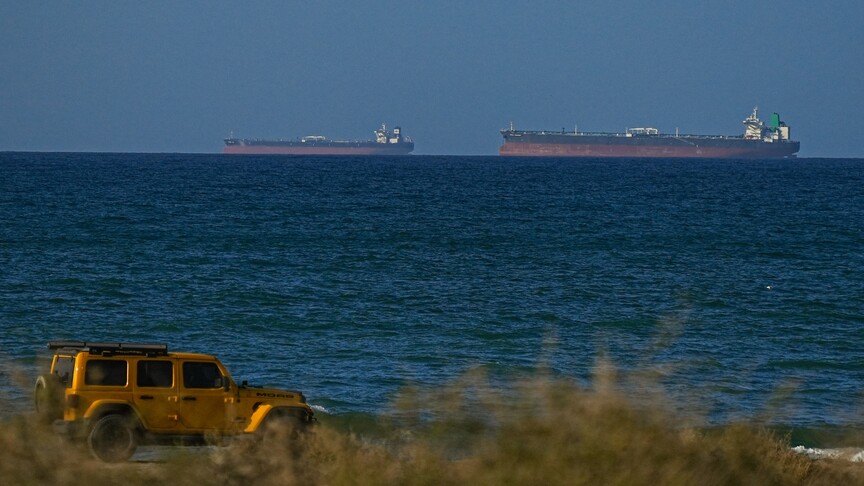
Maduro's regime has long been under pressure from the US, which has imposed sanctions aimed at crippling the Venezuelan economy and reducing its oil exports. Despite these sanctions, oil tankers have continued to arrive in Venezuela, indicating that the state-run oil company, PDVSA, is making efforts to sustain crude sales amid the blockade (France24).
The political landscape following Maduro's capture has also been affected. Figures like María Corina Machado, a prominent opposition leader, may emerge as significant players in a rapidly shifting environment. Machado has historically supported US intervention against the Maduro regime and could gain influence in the wake of these developments (Times of India).
The US claims that its military operation was necessary to combat narco-terrorism and secure regional stability. In a statement, President Donald Trump praised the operation as "brilliant," asserting it was essential to eliminate what he termed a "clear and present danger" to the Americas (Newsmax). However, this perspective has been met with skepticism and criticism from various quarters, including left-leaning lawmakers in the US who argue that such military actions are illegal and could provoke further conflict (Fox News).
As the situation evolves, the potential for broader military engagement remains a significant concern. Critics of the US operation have drawn parallels between the actions taken in Venezuela and the risks associated with military interventions elsewhere, including the ongoing conflicts in Ukraine and the Korean Peninsula (Times of India).
Conclusion
The recent military actions in Venezuela add a complex layer to the already fraught geopolitical landscape in Latin America. With Maduro's capture, the potential for civil unrest and further international intervention looms large. As discussions about drug trafficking begin, the future of US-Venezuela relations hangs in the balance, prompting questions about the implications for regional stability and the international order. International calls for restraint and dialogue may be pivotal in navigating this crisis.