
High Stakes Fraud and Rising Crime: Recent Developments in the U.S.
In a significant crackdown on fraudulent activities, the U.S. Small Business Administration (SBA) has suspended nearly 7,000 borrowers in Minnesota as part of an ongoing investigation into a suspected $400 million fraud scheme related to pandemic loans. This action, announced on January 2, 2026, underscores the increasing scrutiny on COVID-19 relief programs and the potential for widespread abuse. Meanwhile, the United States is also grappling with a surge in crime linked to international drug trafficking organizations, particularly those with ties to Venezuela.
The SBA's decision to suspend these borrowers comes after an extensive review aimed at identifying irregularities in the disbursement of pandemic relief funds. The administration has been under pressure to ensure that funds meant to support struggling businesses during the COVID-19 pandemic are not misappropriated. The ongoing investigation in Minnesota highlights the vulnerabilities within the relief programs and the challenges authorities face in preventing fraud.
"Fraudulent activities undermine the purpose of relief programs designed to support American businesses," said SBA Administrator Isabel Guzman in a statement. "We are committed to ensuring that taxpayer dollars are used effectively and for their intended purposes."
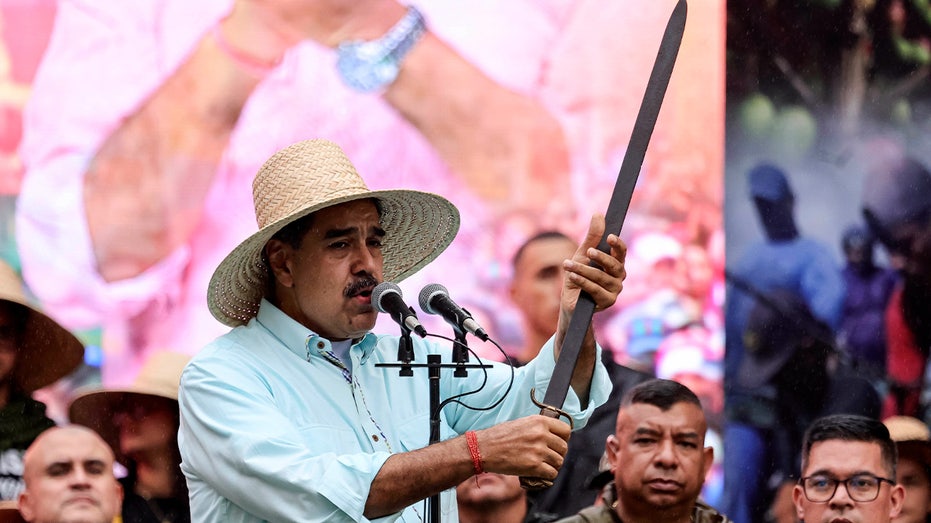
As the SBA tackles fraud, the U.S. Department of Justice (DOJ) is also confronting a rising threat from international crime syndicates. A recent indictment has revealed the expansion of the TdA gang, which is backed by the Maduro regime in Venezuela, into various U.S. cities. This development is part of a broader investigation that links the gang to narco-terrorism and cocaine trafficking. The indictment comes amid heightened tensions surrounding the Maduro government, which faces serious allegations related to drug trafficking and corruption.
The TdA gang’s activities have raised alarms among law enforcement agencies, particularly as they seek to combat the influx of illegal drugs and organized crime within U.S. borders. The DOJ's focus on these criminal organizations reflects a commitment to dismantling networks that threaten public safety and stability.
Background on the SBA Fraud Case
The SBA's pandemic relief programs were implemented to provide financial support to businesses affected by COVID-19. However, the rapid rollout of these programs created opportunities for fraud, with scammers exploiting the system to secure loans under false pretenses. Investigations into these fraudulent activities have intensified, leading to several arrests and prosecutions across the country.
In Minnesota, the SBA’s decision to suspend 7,000 borrowers is indicative of the scale of the fraud scheme being investigated. Authorities are working to verify the legitimacy of the loans and investigate potential collusion among borrowers and facilitators.
The Broader Crime Landscape
The emergence of the TdA gang and its operations in the United States is part of a worrying trend of increased violence and drug-related crime linked to international syndicates. The DOJ's indictment details the gang's involvement in cocaine distribution, which poses significant risks to vulnerable communities and exacerbates the ongoing drug crisis in the country.
U.S. law enforcement agencies are ramping up efforts to address this threat, focusing on collaboration with international partners to disrupt drug trafficking routes and dismantle organized crime networks. The indictment of the TdA gang serves as a reminder of the global dimensions of crime and the need for comprehensive strategies to combat it.
Conclusion
As the U.S. grapples with significant challenges from both fraud and rising crime, the actions taken by the SBA and DOJ signal a commitment to addressing these issues head-on. The suspension of thousands of borrowers highlights the necessity of vigilance in protecting taxpayer funds, while the crackdown on international crime syndicates underscores the urgency of tackling drug trafficking and organized crime. Moving forward, a coordinated approach will be essential to safeguard communities and ensure accountability within financial assistance programs.