
Heavy Snowfall Triggers Major Flight Cancellations at Paris Airports as Winter Storm Hits Europe
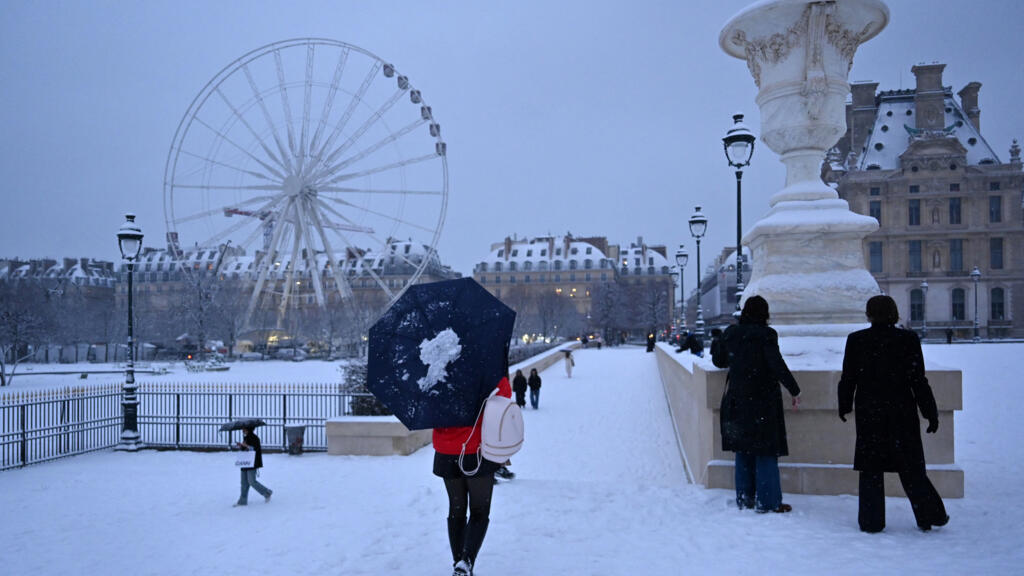
Paris, France – A severe winter storm bringing heavy snow and ice has disrupted travel across Europe, with Paris's two main airports bracing for widespread flight cancellations early Wednesday. France's Transport Minister Philippe Tabarot warned of significant disruptions at Charles de Gaulle and Orly airports, as the cold snap that began on Monday evening continues to grip the continent.
The disruptions are part of a broader high-severity weather event that started on January 5, 2026, at 19:04 GMT, affecting road, rail, and air travel in France, the United Kingdom, and the Netherlands. In France, the focus has been on the capital's airports, where accumulating snowfall is expected to force airlines to ground numerous flights. Minister Tabarot's announcement, made public on Tuesday, underscores the government's preparations to mitigate the chaos amid freezing temperatures and icy conditions.
Airport authorities at Paris Charles de Gaulle (CDG) and Orly (ORY), which together handle over 100 million passengers annually, have activated de-icing operations and contingency plans. While exact numbers of cancellations remain fluid, officials anticipate "many flights" will be affected starting early Wednesday morning local time. Travelers have been urged to check with airlines for updates, as ground crews work around the clock to clear runways.
This comes as similar weather phenomena ripple across Europe. In the UK and the Netherlands, road closures and train cancellations have compounded the travel woes, stranding motorists and passengers alike. The event's high severity rating highlights risks such as black ice on highways and reduced visibility from blizzards, prompting widespread advisories from national meteorological services.
Widespread European Impact
The snow and ice storm's origins trace back to a polar air mass sweeping southward from Scandinavia, a pattern not uncommon in early January but intensified this year. In France, the Île-de-France region around Paris has seen the most acute effects, with snow depths reported in excess of 10 centimeters in some suburbs by Tuesday evening. French weather service Météo-France had issued orange alerts for snow and ice across northern and central regions, warning of potential power outages and hazardous driving conditions.
Minister Tabarot emphasized coordination between transport ministries and local authorities. "We are mobilizing all resources to limit the impact on passengers," he stated, according to reports from RFI. Emergency services have been placed on high alert, with gritters deployed on major motorways like the A1 and A6 leading to Paris.
Passengers at Paris airports reported long queues and confusion on Tuesday as airlines began preemptively adjusting schedules. "We've been here since yesterday, and now our morning flight is in doubt," said one traveler from RFI coverage. International routes to London, Amsterdam, and Brussels – key hubs also affected – face the highest cancellation risks due to cascading delays.
Historical Context and Preparedness
France has a history of winter weather challenges disrupting its dense transport network. Past events, such as the 2010 blizzards that paralyzed Paris airports for days and the 2021 Storm Filomena spillover, serve as reminders of vulnerabilities in aviation infrastructure during cold snaps. Since then, investments in advanced de-icing technology and heated runways have improved resilience, though extreme events still overwhelm systems.
Météo-France forecasts the worst of the snow to taper off by Thursday, but sub-zero temperatures persisting into the weekend could prolong icy roads. The European Union Aviation Safety Agency (EASA) has issued continent-wide guidance on safe operations, recommending minimum runway friction levels.
Outlook for Travelers and Economy
As the storm unfolds, French authorities are monitoring for secondary impacts like school closures and delivery delays. The economic toll could run into millions of euros, with airlines facing compensation claims under EU Regulation 261/2004 for cancellations due to extraordinary circumstances like weather.
Travelers are advised to allow extra time, monitor apps like those from Aéroports de Paris, and consider alternatives such as high-speed TGV trains – though some services remain suspended. With the holiday travel season winding down, the disruptions add strain to recovery efforts from recent global aviation backlogs.
This event underscores Europe's ongoing battle with volatile winter weather amid shifting climate patterns, where warmer overall temperatures paradoxically fuel intense cold outbreaks. Updates from transport officials will be critical as conditions evolve.
(Word count: 612)