
Heavy Snow Forces Over 100 Visitors to Shelter Overnight at Mitsumine Shrine in Japan
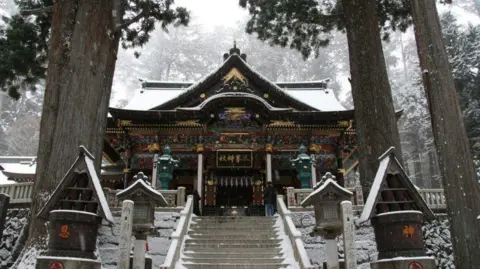
Heavy snowfall in Japan has led to road closures, resulting in more than 100 visitors being forced to shelter overnight at the historic Mitsumine Shrine. The severe weather event began on January 3, 2026, creating hazardous conditions and disrupting travel in the region.
The Mitsumine Shrine, located in the Saitama Prefecture, is a popular destination known for its scenic beauty and spiritual significance. As the snowfall intensified, local authorities were compelled to close roads leading to the shrine, effectively trapping visitors who had intended to explore the area or participate in traditional New Year festivities.
According to reports, many of the visitors found themselves stranded as evening approached, with no means of transportation available. In response, shrine officials opened their doors to provide shelter, ensuring that those who were stranded had a warm place to spend the night. The shrine is traditionally known for its hospitality, and on this occasion, it has once again demonstrated its commitment to the safety and well-being of its guests.
The heavy snow is part of a broader weather system affecting various regions of Japan, where snowfall has been reported to be heavier than usual for this time of year. Meteorological officials have warned of further adverse weather conditions, urging residents and travelers to remain cautious and prepared for potential disruptions.
Local authorities are currently working on clearing the roads to ensure that visitors can safely return home. However, the heavy snow has created challenging conditions for snow removal operations, and it may take time for normal travel to resume.
Background
Japan experiences seasonal snowfall, particularly in the mountainous regions during winter; however, the recent intensity of the snowfall has raised concerns among weather officials. The Mitsumine Shrine, a revered spiritual site, attracts thousands of visitors, especially during New Year's celebrations. The shrine, surrounded by picturesque landscapes, is also known for its hiking trails and serene atmosphere.
As severe weather events become more frequent, discussions surrounding climate change and its impact on Japan's weather patterns have gained prominence. With the potential for increased snowfall and other extreme weather phenomena, preparedness and infrastructure resilience are becoming critical topics for local governments and communities.
Conclusion
The situation at Mitsumine Shrine highlights the interplay between natural beauty and the challenges posed by severe weather in Japan. As the country navigates through this winter storm, the safety of residents and visitors remains the top priority. The commitment of local authorities and the shrine's staff to care for those affected illustrates the strong sense of community and hospitality that characterizes the Japanese spirit, even in the face of challenging conditions.