
Health Crisis in India: Water Contamination Outbreaks Lead to Illness and Deaths
In early January 2026, India is facing a significant health crisis as contaminated water supplies in two regions have led to severe outbreaks of waterborne diseases. In Indore, Madhya Pradesh, a diarrhoea outbreak linked to contaminated water has resulted in the tragic deaths of nine individuals and over 200 hospitalizations. Concurrently, the city of Gandhinagar in Gujarat is grappling with a typhoid outbreak attributed to similar issues of water contamination.
The situation in Indore's Bhagirathpura locality, where the outbreak was first reported on January 1, has drawn urgent attention from health officials. Local authorities have initiated measures to address the crisis, including distributing clean drinking water and conducting health check-ups for affected residents. The outbreak has raised alarms about the safety of water supplies in urban areas, prompting calls for immediate action to prevent further cases.
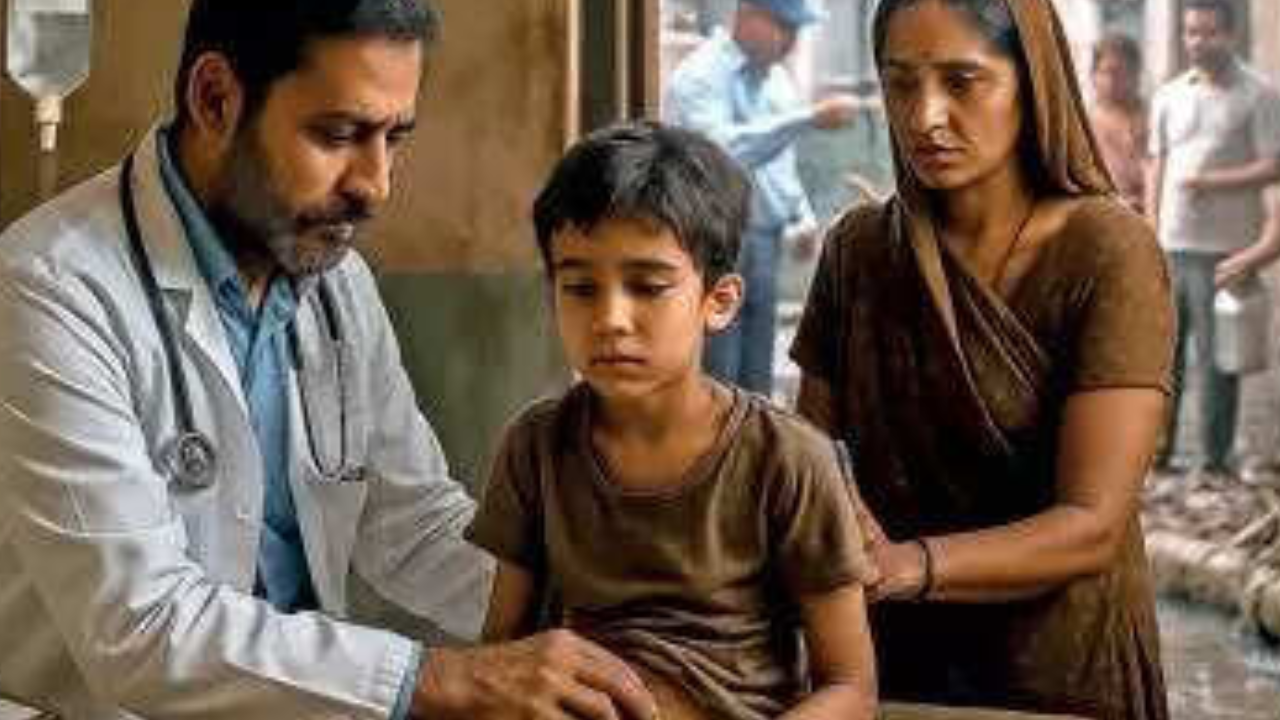
Officials have confirmed that the contaminated water supply is the primary cause of the diarrhoea cases. Clinics and hospitals in Indore have reported a surge in patients exhibiting symptoms consistent with severe waterborne illnesses. The local health department is working around the clock to manage the situation, focusing on rapid response and treatment for those affected.
In Gandhinagar, the situation mirrors that of Indore as health officials report 70 active cases of typhoid linked to contaminated drinking water. The outbreak has been traced back to leaks in the newly laid water supply system, allowing sewage to mix with potable water. In response, authorities have opened a 30-bed pediatric ward to accommodate the influx of patients and have intensified outpatient checks to monitor the spread of the disease.
Health officials in both cities are urging residents to take precautions, such as boiling water before consumption and seeking medical attention if symptoms develop. The ongoing outbreaks underscore the critical need for improved infrastructure and maintenance of water supply systems to prevent such public health emergencies.
Background
India has long faced challenges related to water quality and sanitation, particularly in densely populated urban areas. Contaminated water supplies are a recurring issue, leading to outbreaks of diseases such as cholera, typhoid, and diarrhoea. The outbreak in Indore and the situation in Gandhinagar highlight the urgent need for comprehensive public health strategies to ensure safe drinking water and effective waste management systems.
As the government grapples with these outbreaks, more long-term solutions are needed to prevent future occurrences. This includes investing in water infrastructure, improving sewage treatment facilities, and enhancing public awareness campaigns regarding sanitation practices.
Conclusion
The recent outbreaks in Indore and Gandhinagar serve as a sobering reminder of the ongoing public health challenges faced by India. With immediate action being taken to address the current crises, it is imperative that authorities also focus on sustainable measures to ensure the safety and well-being of residents in the long term. The health of millions depends on the effectiveness of these interventions as the country strives to combat waterborne diseases.