
Health Crisis in India: Diarrhea Outbreak in Indore and Bird Flu Concerns
A severe health crisis has emerged in India as a contaminated water supply in Indore has led to a significant outbreak of diarrhea, resulting in nine deaths and over 200 hospitalizations since the start of the year. The outbreak, which began on January 1, 2026, has raised alarm among health officials and local authorities as they work to contain the situation.
The affected area is Bhagirathpura, a locality in Indore where residents have reported severe gastrointestinal illness linked to the consumption of contaminated water. Local health officials have confirmed that the water supply has been compromised, leading to a rapid increase in cases of diarrhea, especially among vulnerable populations, including children and the elderly.
Authorities have initiated emergency measures to address the outbreak, including distributing clean drinking water and mobilizing medical teams to treat affected individuals. Hospitals in the region are reporting an influx of patients with severe dehydration and other complications related to the outbreak. Health officials are urging residents to boil water before consumption and to adhere to hygiene practices to prevent the further spread of illness.
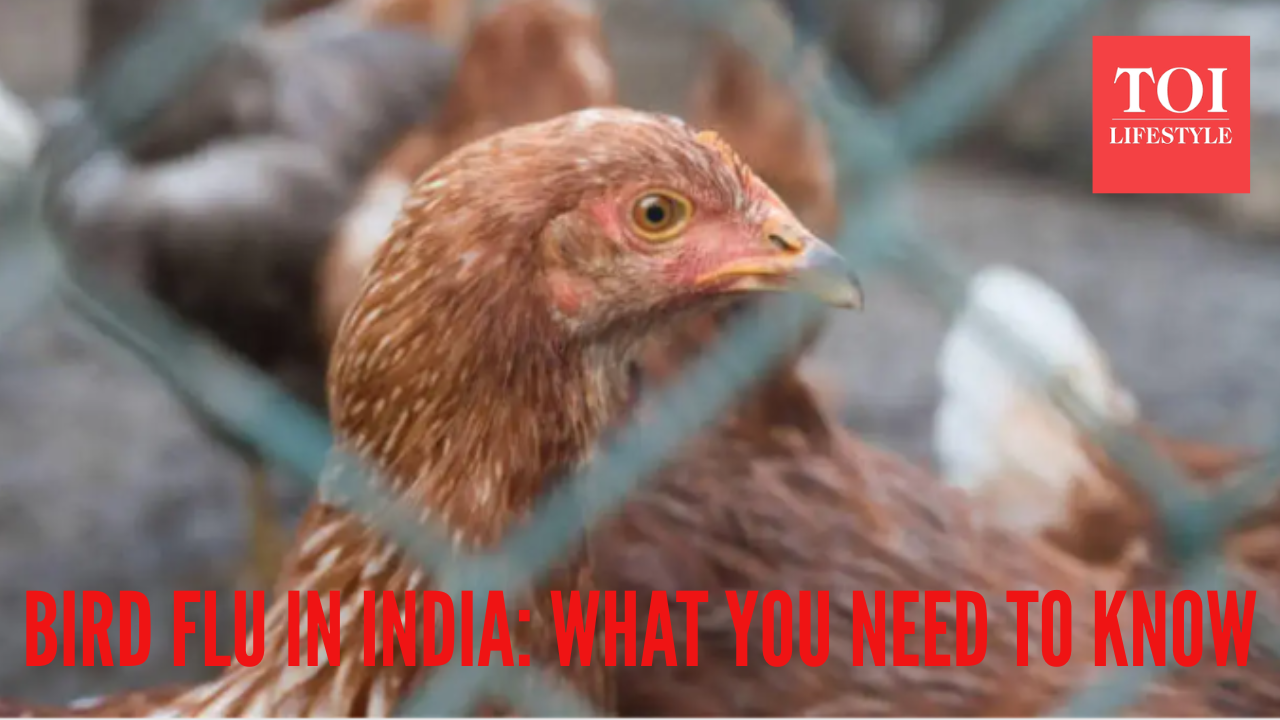
In addition to the diarrhea outbreak, health concerns are compounded by the recent reports of a bird flu outbreak in India. Symptoms of this illness can escalate quickly, leading to severe respiratory issues and potential complications if not treated promptly. Health authorities have been on high alert, monitoring both human and animal populations for signs of the virus. Although the bird flu situation has not yet reached the severity of the water contamination crisis, it underscores the ongoing challenges in managing public health in the country.
As of now, the government is taking preventive measures against both the diarrhea outbreak and the bird flu situation. Authorities are conducting extensive water quality testing in Indore and surrounding areas to identify the source of contamination and ensure that the public receives safe drinking water. Public health campaigns are also being implemented to educate the community on the importance of sanitation and hygiene to mitigate the impacts of both crises.
Background
Waterborne diseases remain a significant public health challenge in India, with outbreaks often linked to inadequate sanitation and contaminated water supplies. In recent years, the country has made strides in improving access to clean water and sanitation facilities, but incidents like the current outbreak in Indore highlight the vulnerabilities that still exist in certain regions.
The bird flu, or avian influenza, has posed a risk to both poultry and humans worldwide. The symptoms can include severe respiratory distress, which could lead to hospitalization if not addressed quickly. The Indian government has previously dealt with bird flu outbreaks and has protocols in place for monitoring and managing the disease.
Conclusion
The dual health crises of the diarrhea outbreak in Indore and the ongoing concerns about bird flu present significant challenges for public health officials in India. As authorities mobilize resources to address the immediate needs of affected populations and prevent further outbreaks, the importance of clean water access and public health education remains paramount. Continuous monitoring and swift action will be crucial in navigating these health emergencies and protecting the well-being of communities across the country.